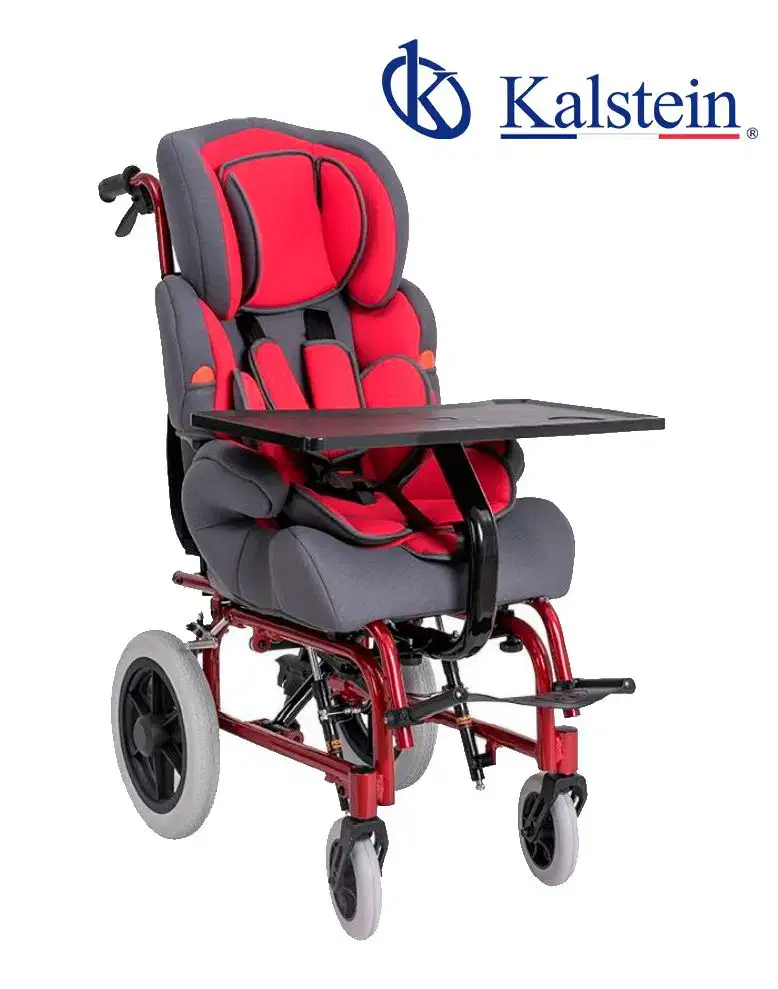
How to Implement Predictive Maintenance and Periodic Calibration for Children Wheelchairs
In the realm of pediatric mobility, ensuring the reliability and safety of children wheelchairs is paramount. Predictive maintenance and periodic calibration are essential strategies that enhance performance and prolong the lifespan of these devices. This comprehensive guide delves into various models of children wheelchairs, their maintenance protocols, and the significance of timely calibration.
Understanding Predictive Maintenance in Children Wheelchairs
Predictive maintenance involves regularly scheduled inspections and maintenance based on the actual condition of the wheelchair rather than a fixed schedule. This proactive approach helps to identify potential issues before they lead to failure. For children’s wheelchairs, this is critical as these devices must cater to the unique mobility needs of their users. Factors such as wear and tear on parts and environmental conditions should be monitored closely to ensure consistent performance.
Key Strategies for Predictive Maintenance
- Condition Monitoring: Regular checks on components like wheels, brakes, and frame integrity.
- Usage Analytics: Tracking usage patterns to predict when maintenance is needed based on wear rates.
- Reporting Mechanism: Establishing a system for caregivers to report any irregularities noticed during daily use.
Significance of Periodic Calibration for Wheelchairs
Calibration is the process of adjusting and verifying that a wheelchair's features are functioning within specified parameters. For instance, ensuring that the brakes are responsive and the seating angles align with ergonomic standards are crucial for user safety. Periodic calibration not only ensures compliance with health regulations but also enhances user comfort and mobility.
Calibration Frequencies and Standards
A recommended calibration schedule can vary based on usage intensity and environmental conditions. Regular cycles, such as every six months to annually, can ensure that wheelchairs meet safety and performance standards. Each model has specific calibration requirements that should be documented and followed rigorously.
Comparison of Available Models
| Model | Weight Capacity (kg) | Seat Width (cm) | Price (USD) | Best for |
|---|---|---|---|---|
| YR05459 | 75 | 30 | 424.00 | Daily mobility |
| YR05460 | 75 | 42 | 456.00 | Adjustable needs |
| YR05457 | 100 | 38 | 302.00 | Sturdiness |
| YR05458 | 100 | 38 | 422.95 | Lightweight options |
| YR06611 | 75 | 34 | 316.00 | Cerebral palsy support |
Common Mistakes and How to Avoid Them
One common mistake in wheelchair maintenance is neglecting regular inspections. This can lead to unexpected failures, especially in children’s wheelchairs where safety is critical. Another error is using inappropriate calibration methods or intervals. Calibration should always be aligned with manufacturer recommendations to ensure devices are functioning correctly.
Best Practices for Effective Maintenance
- Follow a detailed maintenance checklist tailored to each model.
- Document all maintenance and calibration activities to track compliance.
- Educate caregivers on the importance of regular checks and reporting issues.
Frequently Asked Questions
How often should I perform predictive maintenance on children wheelchairs?
Perform predictive maintenance on children wheelchairs at least every six months or based on usage patterns. For example, the YR05460 model, suited for adjustable needs, benefits significantly from regular checks to ensure safety and functionality.
What are the benefits of periodic calibration for children wheelchairs?
Periodic calibration ensures that wheelchairs like the YR05457 operate safely and effectively. Regular calibration checks help maintain compliance with safety standards and enhance user comfort.
Which children wheelchair model has the highest weight capacity?
The YR05457 and YR05458 models both have a weight capacity of 100 kg, making them ideal for sturdiness and reliability in various settings including daily mobility needs.
What are the key indicators for needing maintenance on children wheelchairs?
Indicators include unusual noises, difficulty in maneuverability, or signs of wear on the tires or brakes. For example, if the YR06611 model shows resistance while moving, it’s time for a thorough inspection.
How do I ensure compliance with safety standards for children wheelchairs?
To ensure compliance, follow the manufacturer’s maintenance schedule, particularly for calibration. Regular checks on models like YR05459 can help maintain adherence to safety regulations.
What tools are necessary for maintaining children wheelchairs?
Essential tools include a torque wrench for checking bolts, a tire pump, and a maintenance log for tracking all inspections. Proper tools are vital for effective maintenance of models like YR05460.
How can I extend the lifespan of children wheelchairs?
Regular predictive maintenance, using appropriate storage conditions, and ensuring timely calibration can extend the lifespan of children wheelchairs. Models like YR05458 benefit greatly from these practices.
What is the best practice for documenting maintenance of children wheelchairs?
Best practices involve maintaining a detailed log that records all inspections, repairs, and calibrations performed on each wheelchair model. Documentation supports compliance and improves accountability.
If you are looking for a fusion of innovation and quality, you have come to the right place. At Kalstein, we offer you the luxury of exploring our exclusive catalog of laboratory equipment. We manufacture every device to the highest standards of excellence. Our intuitive and seamless online purchasing channels are designed for your convenience, securing the most competitive prices. Hesitate no longer — we bring science to life, it is time to become part of our community.