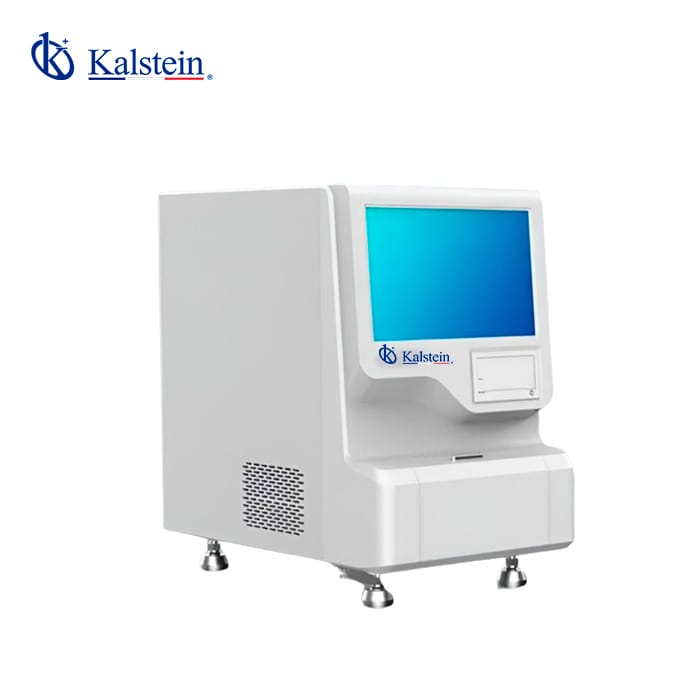
How Predictive Maintenance and Regular Calibration Enhance Chemiluminescence Immunoassay Analyzers
In the world of laboratory diagnostics, chemiluminescence immunoassay analyzers have become vital tools for accurate and timely test results. However, to maintain their performance and reliability, incorporating predictive maintenance and regular calibration practices is essential. This article delves into the importance of these practices, examines specific models, and provides a comprehensive comparison of various chemiluminescence immunoassay analyzers available in the market.
Understanding Predictive Maintenance in Chemiluminescence Immunoassay Analyzers
Predictive maintenance refers to the proactive maintenance approach that uses data analysis tools and techniques to detect anomalies in equipment operation and potential defects. This strategy reduces the likelihood of equipment failure and unplanned downtime by addressing issues before they escalate. In the context of chemiluminescence immunoassay analyzers, predictive maintenance can optimize performance and ensure accurate results, which are crucial for patient diagnosis.
By monitoring the performance metrics of analyzers like the YR06387 and YR06388, laboratories can identify patterns that indicate potential failures. Regular software updates and hardware checks can also enhance the predictive maintenance process, allowing for more precise forecasting of when maintenance should be performed.
Importance of Regular Calibration for Accurate Results
Calibration is the process of adjusting the performance of an instrument to ensure it produces accurate and reliable results. For chemiluminescence immunoassay analyzers, regular calibration is essential to maintain the integrity of testing processes. Calibration verifies that an analyzer's measurement system is functioning correctly, ensuring the accuracy of test results.
The frequency of calibration can vary depending on the model and the testing environment. For example, models such as the YR06389 and YR06390 may require different calibration schedules based on their specific operational uses. Laboratories must establish a calibration plan that aligns with industry standards and ensures compliance with regulatory requirements.
Factors Influencing Predictive Maintenance and Calibration Schedules
Several factors influence how often predictive maintenance and calibration should be performed for chemiluminescence immunoassay analyzers. These include the volume of tests conducted, the specific types of samples analyzed, and the environmental conditions of the laboratory. Understanding these factors is crucial for determining the appropriate maintenance strategies.
For instance, high-demand environments may necessitate more frequent calibration and maintenance, while less busy labs may follow a more relaxed schedule. Additionally, using different sample types, such as whole blood or serum, can impact the wear and tear on the analyzer, further influencing maintenance frequency.
Calibration Intervals for Chemiluminescence Immunoassay Analyzers
Establishing a calibration interval is a critical aspect of maintaining the accuracy and reliability of chemiluminescence immunoassay analyzers. A well-planned calibration schedule considers various factors, including manufacturer recommendations, the lab's operational volume, and regulatory requirements.
| Model | Calibration Frequency | Recommended Practices |
|---|---|---|
| YR06387 | Monthly | Use certified reference materials |
| YR06388 | Every two months | Document all calibration results |
| YR06389 | Weekly | Perform quick checks daily |
| YR06390 | Every four weeks | Integrate maintenance logs |
| YR06710 | Monthly | Ensure clean sample paths |
Benefits of Implementing Predictive Maintenance and Calibration
Implementing predictive maintenance and regular calibration offers numerous benefits for laboratories using chemiluminescence immunoassay analyzers. These benefits include:
- Increased Reliability: Regular maintenance reduces unexpected breakdowns and ensures consistent performance.
- Cost Efficiency: By preventing major repairs and downtime, laboratories can save on operational costs.
- Improved Accuracy: Calibration ensures that test results remain accurate, helping to make informed clinical decisions.
- Compliance with Standards: Regular maintenance and calibration help labs adhere to industry regulations and standards, such as ISO 15189.
Comparison of Available Models
| Model | Price (USD) | Calibration Frequency | Best for |
|---|---|---|---|
| YR06387 | 3500.00 | Monthly | Routine clinical testing |
| YR06388 | 5000.00 | Every two months | Emergency labs |
| YR06389 | 9000.00 | Weekly | High throughput environments |
| YR06390 | 15000.00 | Every four weeks | Specialized diagnostics |
| YR06710 | 7500.00 | Monthly | Limited space settings |
Common Mistakes and How to Avoid Them
Laboratories often make common mistakes when implementing predictive maintenance and calibration practices. Understanding these pitfalls can help avoid costly errors:
- Neglecting Documentation: Failing to keep detailed records of maintenance and calibration can lead to compliance issues. Ensure all procedures are documented accurately.
- Ignoring Manufacturer Guidelines: Each model, such as the YR06388 and YR06390, comes with specific maintenance recommendations. Always follow these guidelines.
- Overlooking Training: Staff must be adequately trained in maintenance and calibration processes to ensure all procedures are performed correctly.
Frequently Asked Questions
What are the recommended calibration standards for chemiluminescence immunoassay analyzers?
The recommended calibration standards for chemiluminescence immunoassay analyzers typically align with ISO 15189, which emphasizes maintaining quality in laboratory testing. For instance, the YR06387 requires calibration using certified reference materials monthly to ensure accurate results.
How can predictive maintenance improve the reliability of a lab's analyzers?
Predictive maintenance enhances the reliability of analyzers by identifying potential issues before they lead to failures. For example, analyzing the performance metrics of the YR06390 can help forecast maintenance needs, ensuring uninterrupted lab operations and high test accuracy.
What calibration interval is best for high-throughput chemiluminescence immunoassay analyzers?
For high-throughput analyzers like the YR06389, a weekly calibration interval is often best to ensure consistent accuracy and adherence to quality standards. This frequent calibration minimizes the risk of compromised results that can occur in busy laboratory environments.
How does regular calibration affect the cost of lab operations?
Regular calibration can significantly affect a lab's operational costs by preventing equipment failures that result in downtime and repair expenses. Tools like the YR06710 benefit from monthly calibration checks, which help maintain efficient operational standards and cost-effectiveness.
What are the signs that a chemiluminescence immunoassay analyzer needs calibration?
Key signs that an analyzer, such as the YR06388, needs calibration may include inconsistent results, error messages, or fluctuations in performance metrics. Regular performance monitoring is crucial to identifying when calibration is necessary.
How can laboratories ensure compliance with calibration standards?
Laboratories can ensure compliance by establishing a strict calibration schedule aligned with industry standards such as ISO 15189. Documenting each calibration procedure for models like the YR06390 can help maintain regulatory adherence.
What is the impact of environmental factors on calibration frequency?
Environmental factors, such as temperature and humidity, can significantly impact calibration frequency. Analyzers like the YR06387 may require more frequent calibration in environments with fluctuating conditions to ensure consistent accuracy and reliability.
How can a laboratory develop a predictive maintenance plan for analyzers?
A laboratory can develop a predictive maintenance plan by analyzing performance data, establishing regular check-ups, and integrating software tools that monitor equipment performance. Implementing this for models like the YR06390 enhances reliability and compliance.
If you are looking for a fusion of innovation and quality, you have come to the right place. At Kalstein, we offer you the luxury of exploring our exclusive catalog of laboratory equipment. We manufacture every device to the highest standards of excellence. Our intuitive and seamless online purchasing channels are designed for your convenience, securing the most competitive prices. Hesitate no longer — we bring science to life, it is time to become part of our community.