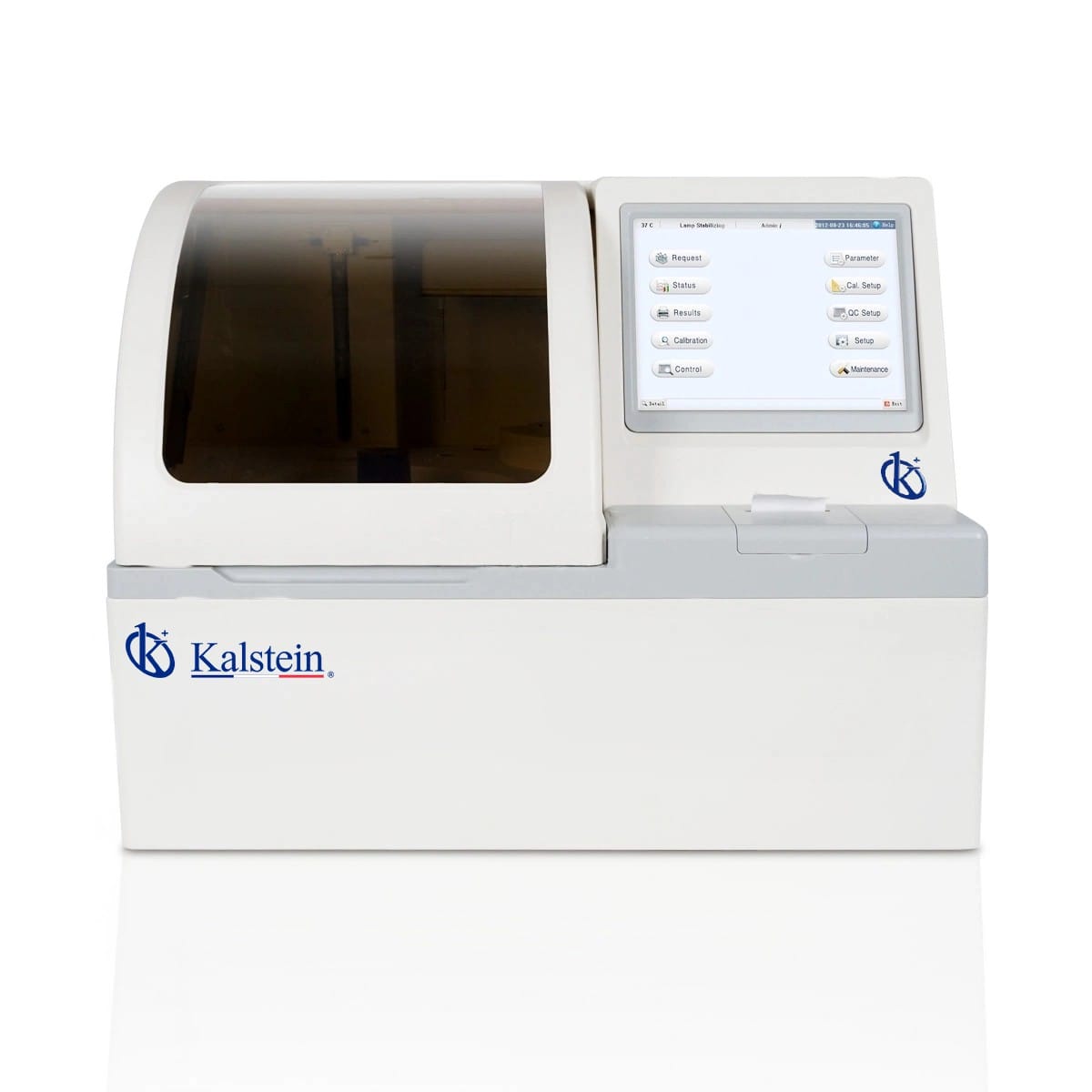
How to Implement Predictive Maintenance and Regular Calibration for Veterinary Chemistry Analyzers?
In veterinary laboratories, maintaining high standards of accuracy and reliability in diagnostics is essential. This article explores the critical aspects of predictive maintenance and regular calibration for veterinary chemistry analyzers, focusing on their importance in achieving compliance, improving efficiency, and ensuring long-term operational success.
Understanding Predictive Maintenance and Its Benefits
Predictive maintenance refers to the proactive approach of monitoring the condition of veterinary chemistry analyzers and predicting potential failures before they occur. This maintenance strategy uses advanced analytics and monitoring tools to track the performance of equipment. The benefits of predictive maintenance include:
- Reduced Downtime: By identifying issues early, labs can avoid unexpected breakdowns and ensure continuous operation.
- Cost Savings: Predictive maintenance helps in optimizing maintenance schedules, reducing repair costs and extending equipment lifespan.
- Improved Accuracy: Regular monitoring ensures that the analyzers operate within their specified parameters, contributing to accurate test results.
Regular Calibration: A Necessity for Accurate Results
Calibration is the process of adjusting the analyzer's output to match a known standard. Regular calibration is essential to ensure that the results obtained from veterinary chemistry analyzers are reliable and accurate. Factors affecting calibration include:
- Environmental Conditions: Variations in temperature and humidity can impact the performance of the analyzer, necessitating frequent calibration.
- Wear and Tear: Over time, components may degrade, leading to inaccuracies that calibration can rectify.
- Regulatory Compliance: Many veterinary labs must comply with ISO standards, making regular calibration a necessity.
Key Calibration Standards and Recommendations
ISO/IEC 17025 is the primary standard that outlines the requirements for the competence of testing and calibration laboratories. The following are key recommendations for implementing a calibration program:
- Frequency: Calibration should be performed at least once a year, but high-usage analyzers may require quarterly calibration.
- Traceability: Ensure that calibration results can be traced back to national or international standards.
- Documentation: Maintain detailed records of all calibrations, including methods, results, and any adjustments made.
Comparison of Available Models
| Model | Calibration Frequency | Estimated Cost (USD) | Best For |
|---|---|---|---|
| YR06168 | Yearly | 6800.00 | High-throughput labs |
| YR06169 | Quarterly | 2000.00 | Mobile veterinary services |
| YR06172 | Yearly | 700.00 | Field testing |
| YR06174 | Quarterly | 6600.00 | Critical care facilities |
| YR06077 | Biannual | 950.00 | General veterinary analysis |
Implementing a Predictive Maintenance Program
To implement a successful predictive maintenance program for veterinary chemistry analyzers, consider the following steps:
- Data Monitoring: Utilize software tools to monitor key performance indicators (KPIs) such as uptime, failure rates, and maintenance history.
- Training: Ensure that laboratory personnel are trained to perform routine checks and understand the significance of the data collected.
- Establish Maintenance Protocols: Create a schedule for regular maintenance tasks based on usage patterns and manufacturer recommendations.
Common Mistakes and How to Avoid Them
When implementing predictive maintenance and calibration programs, laboratories must avoid several common pitfalls:
- Neglecting Training: Staff must be adequately trained to recognize equipment issues and perform necessary maintenance tasks.
- Ignoring Documentation: Failing to keep accurate records can lead to compliance issues and hinder troubleshooting efforts.
- Inadequate Equipment Monitoring: Regular checks on equipment conditions are essential to effectively manage predictive maintenance.
Frequently Asked Questions
How can predictive maintenance enhance the lifespan of veterinary chemistry analyzers?
Predictive maintenance enhances the lifespan of veterinary chemistry analyzers by identifying potential failures through regular monitoring. For instance, the YR06168 model allows performance tracking to prevent breakdowns that could lead to costly repairs and downtime.
What are the essential calibration standards for veterinary chemistry analyzers in 2023?
The essential calibration standards include ISO/IEC 17025, which emphasizes traceability and accuracy. Regular calibration of models like YR06169 ensures compliance with these standards, safeguarding the quality of testing processes.
Which veterinary chemistry analyzer is best for mobile veterinary practices?
The Portable Veterinary Chemistry Analyzer YR06169 is ideal for mobile veterinary practices due to its compact design and quick results delivery, allowing for efficient on-site diagnostics.
How often should regular calibration be performed on a veterinary chemistry analyzer?
Regular calibration should typically be performed at least once a year. However, analyzers such as the YR06174 may require calibration every three months depending on usage and regulatory requirements.
What are the signs that a veterinary chemistry analyzer needs calibration?
Signs that a veterinary chemistry analyzer needs calibration include inconsistent results, error messages during operation, or noticeable performance drops. Regular checks with models like YR06172 can help maintain accuracy and reliability.
How does predictive maintenance reduce operational costs in veterinary labs?
Predictive maintenance reduces operational costs in veterinary labs by preventing unexpected equipment failures, thus minimizing downtime and extensive repairs. For instance, using the YR06077 model with a good maintenance program can optimize resource utilization and extend equipment life.
What strategies can improve accuracy in veterinary chemistry analyzer results?
Improving accuracy can be achieved by implementing regular calibration schedules and monitoring environmental conditions. For instance, ensuring the YR06168 operates in stable conditions can greatly enhance test result reliability.
Which veterinary chemistry analyzers are best suited for high-throughput labs?
For high-throughput environments, the Automatic Veterinary Chemistry Analyzer YR06168 is highly suitable due to its rapid processing capabilities, achieving up to 100 tests per hour, thereby enhancing laboratory efficiency.
If you are looking for a fusion of innovation and quality, you have come to the right place. At Kalstein, we offer you the luxury of exploring our exclusive catalog of laboratory equipment. We manufacture every device to the highest standards of excellence. Our intuitive and seamless online purchasing channels are designed for your convenience, securing the most competitive prices. Hesitate no longer — we bring science to life, it is time to become part of our community.