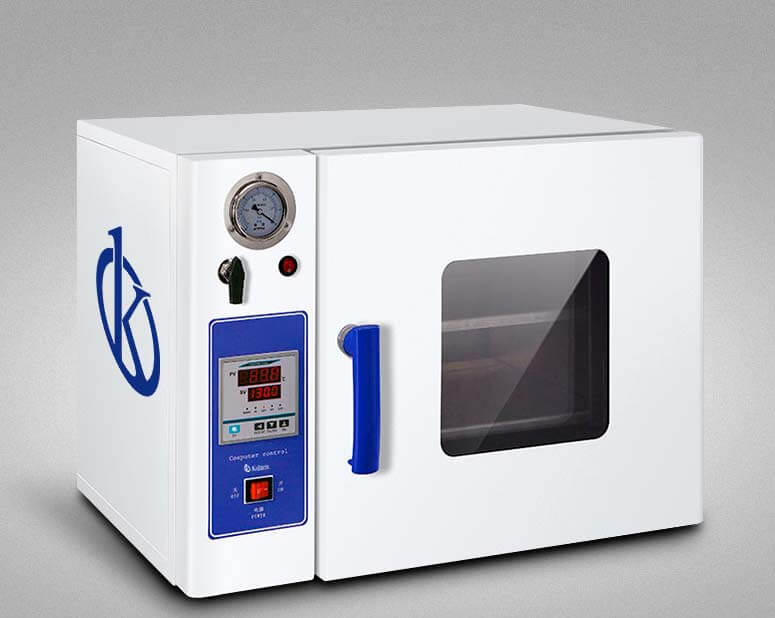
How to Implement Predictive Maintenance and Recommended Calibration for Vacuum Ovens
In the realm of laboratory equipment, vacuum ovens are essential tools used in various applications, including drying, baking, and sterilization processes. Ensuring their optimal performance requires not only understanding their functionality but also implementing effective maintenance strategies. This article focuses on the importance of predictive maintenance and regular calibration for vacuum ovens, detailing best practices, model comparisons, and tips for laboratories aiming to enhance operational reliability.
Understanding Predictive Maintenance for Vacuum Ovens
Predictive maintenance is a proactive approach that utilizes data and analytics to predict the condition of equipment and schedule maintenance activities before failures occur. For vacuum ovens, this means monitoring performance indicators such as temperature accuracy, vacuum integrity, and mechanical wear. Implementing predictive maintenance can minimize downtime, extend equipment lifespan, and enhance laboratory productivity.
Importance of Regular Calibration in Vacuum Ovens
Calibration ensures that vacuum ovens operate within specified parameters, providing accurate results during experiments. Regular calibration helps maintain compliance with laboratory standards, such as ISO 17025, and is crucial for ensuring reproducibility and reliability in scientific research. Calibration intervals should align with manufacturer recommendations and industry standards to guarantee optimal performance.
Comparison of Available Models
| Model | Temperature Range (°C) | Timer Range (minutes) | Power (kW) | Best Use Case |
|---|---|---|---|---|
| YR05260-A | RT + 5 ~ 250 | 0 ~ 999 | 0.9 | Drying heat-sensitive materials efficiently. |
| YR05261-A | RT + 5 ~ 250 | 0 ~ 999 | 0.9 | Ideal for pharmaceutical applications requiring sterilization. |
| YR05262-SS | RT + 5 ~ 250 | 0 ~ 999 | 1.4 | Suitable for environmental and agricultural research. |
| YR05263-SS | RT + 5 ~ 250 | 0 ~ 999 | 1.4 | Effective for complex mechanical components drying. |
| YR05264-A | RT + 5 ~ 250 | 0 ~ 999 | 0.9 | Utilized in biochemical studies for rapid drying. |
| YR05265-SS | RT + 5 ~ 250 | 0 ~ 999 | 1.4 | Preferred for research requiring precise temperature control. |
Common Mistakes and How to Avoid Them
Laboratories often overlook the significance of regular maintenance and calibration of vacuum ovens. A frequent mistake is setting calibration intervals too far apart, which can lead to inaccurate results and equipment failure. Another common error is inadequate documentation of maintenance activities. To avoid these mistakes, establish a structured maintenance schedule, adhere to manufacturer recommendations, and maintain detailed records of calibration and maintenance activities.
Monitoring Key Performance Indicators (KPIs)
Monitoring relevant KPIs is essential for effective predictive maintenance in vacuum ovens. Key metrics include Mean Time Between Failures (MTBF), Mean Time To Repair (MTTR), and temperature stability. Regularly reviewing these indicators can help identify trends, facilitating timely interventions that prevent costly breakdowns.
Creating an Effective Calibration Plan
Establishing a calibration plan involves defining calibration intervals based on usage frequency, understanding manufacturer specifications, and aligning with industry standards. Each model, such as the YR05260-A or YR05261-A, may have specific requirements for calibration that should be documented and adhered to for optimal performance.
Predictive Maintenance Strategies for Vacuum Ovens
Adopting predictive maintenance strategies involves using condition monitoring technologies, such as temperature sensors and vacuum gauges, to collect data on oven performance. This data can be analyzed to predict potential failures and schedule maintenance accordingly. Integrating these technologies can lead to significant improvements in operational efficiency and reliability.
Benefits of Calibration in Laboratory Compliance
Calibration not only ensures accuracy but also helps laboratories remain compliant with regulatory standards, enhancing the credibility of research outcomes. For instance, accurate temperature control in vacuum ovens such as YR05262-SS is critical for meeting ISO 17025 standards, which require precision in laboratory measurements.
Frequently Asked Questions
How often should vacuum ovens be calibrated for optimal performance?
Calibration frequency for vacuum ovens like the YR05260-A should align with manufacturer recommendations, typically every 6-12 months, depending on usage intensity and industry standards.
What are the key indicators of vacuum oven performance that need monitoring?
Key performance indicators include temperature accuracy, vacuum integrity, and operational efficiency. Regular monitoring ensures consistent performance from models like YR05261-A.
What steps are involved in creating a calibration plan for vacuum ovens?
A calibration plan should include defining calibration intervals, understanding manufacturer specifications, and documenting all calibration activities for compliance purposes.
How can predictive maintenance extend the lifespan of vacuum ovens?
Predictive maintenance, through data analytics and performance monitoring, can identify potential failures early, thus preventing breakdowns and extending the lifespan of models such as YR05262-SS.
Which vacuum oven is best for drying heat-sensitive materials?
The YR05260-A is ideal for drying heat-sensitive materials efficiently due to its precise temperature control and reliable vacuum settings.
What is the impact of calibration on laboratory compliance standards?
Calibration ensures that vacuum ovens, like the YR05263-SS, operate within specified parameters, crucial for compliance with standards such as ISO 17025.
How does predictive maintenance improve laboratory productivity?
By predicting failures before they occur, predictive maintenance reduces downtime, allowing for uninterrupted workflows and enhanced productivity in laboratory environments.
What documentation is necessary for vacuum oven calibration?
Documentation should include calibration records, maintenance logs, and compliance certificates to ensure adherence to standards and operational transparency.
If you are looking for a fusion of innovation and quality, you have come to the right place. At Kalstein, we offer you the luxury of exploring our exclusive catalog of laboratory equipment. We manufacture every device to the highest standards of excellence. Our intuitive and seamless online purchasing channels are designed for your convenience, securing the most competitive prices. Hesitate no longer — we bring science to life, it is time to become part of our community.