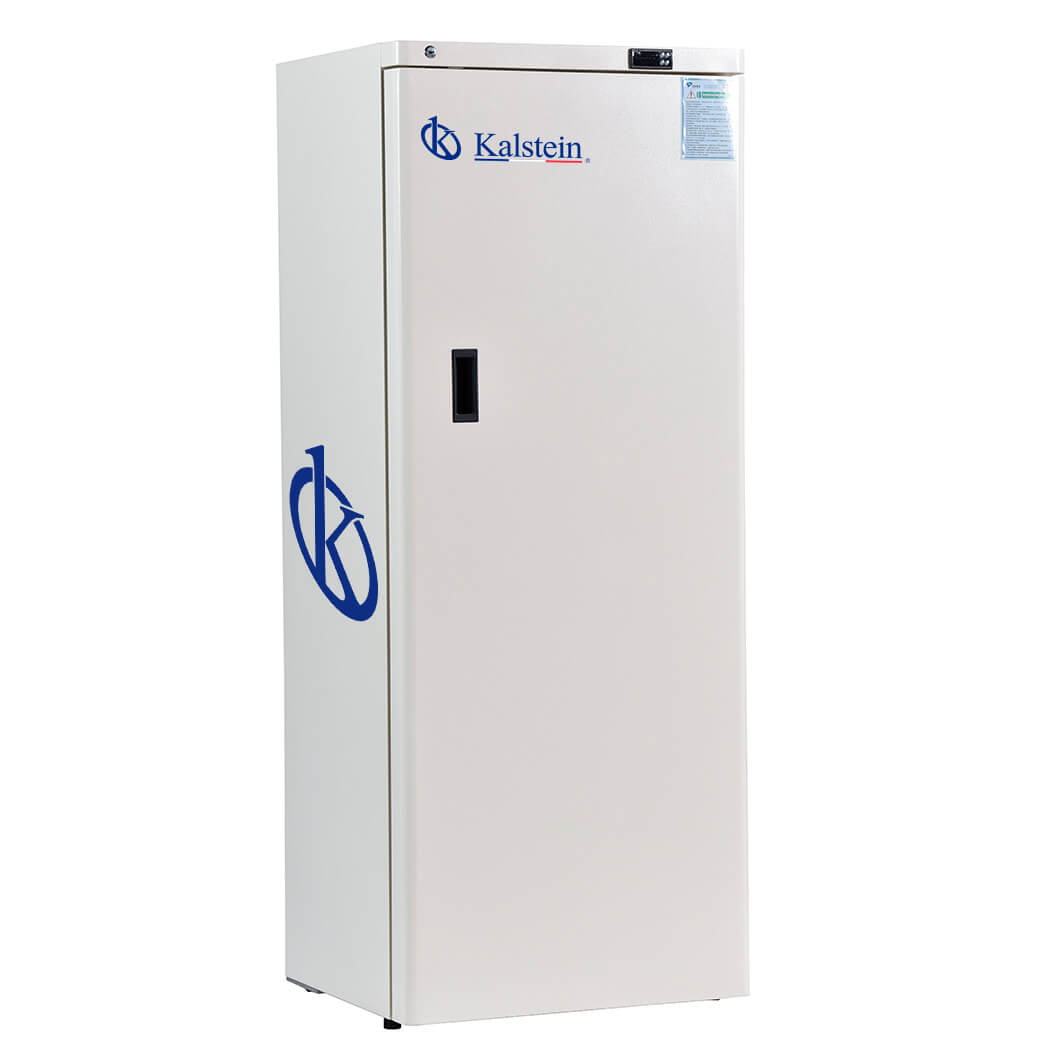
How to Ensure Predictive Maintenance and Recommended Calibration for Upright Freezers?
Upright freezers are critical pieces of equipment in laboratories, particularly for the storage of sensitive biological materials. Ensuring their optimal performance through predictive maintenance and periodic calibration is essential to prevent failures and maintain compliance with regulatory standards. This article delves into the importance of these practices and provides a comprehensive overview of the models available, along with their specifications and features.
Understanding Predictive Maintenance and Calibration
Predictive maintenance refers to the systematic approach of monitoring the condition of equipment to predict when maintenance should be performed. This proactive strategy not only reduces downtime but also prolongs the lifespan of laboratory equipment, including upright freezers. Calibration, on the other hand, involves adjusting the equipment to ensure its accuracy in maintaining the desired temperature, which is crucial for the integrity of stored samples.
The Importance of Predictive Maintenance in Laboratory Freezers
Implementing predictive maintenance can drastically lower operational costs associated with unexpected failures. By regularly monitoring the key performance indicators (KPIs), such as Mean Time Between Failures (MTBF) and Mean Time to Repair (MTTR), laboratories can schedule maintenance before issues arise. For instance, the YR05297 model, with its advanced monitoring technology, can send alerts on temperature fluctuations, allowing for timely interventions.
Recommended Calibration Intervals for Upright Freezers
Calibration of upright freezers is typically recommended at least once a year, although more frequent calibration may be necessary depending on usage and regulatory requirements. For example, laboratories adhering to ISO guidelines should ensure their models, such as the YR05296, are calibrated to maintain a temperature range of -40 to -86 degrees Celsius to meet biobanking standards.
Comparison of Available Models
| Model | Temperature Range (°C) | Energy Consumption (kWh/24h) | Capacity (L) | Best for |
|---|---|---|---|---|
| YR05097 | -10 to -25 | 1.5 | 328 | General laboratory use |
| YR05297 | -40 to -86 | 12.8 | 338 | Biological sample storage |
| YR05296 | -40 to -86 | 11.2 | 340 | Biobanking applications |
| YR05295 | -10 to -25 | unavailable | 936 | Large laboratories |
| YR05294 | -10 to -25 | unavailable | 328 | Pharmaceutical storage |
| YR05293 | -10 to -25 | unavailable | 268 | Biomedical applications |
Common Mistakes and How to Avoid Them
Laboratories often overlook the importance of routine checks and maintenance schedules. A common mistake is setting calibration intervals too far apart. To avoid this, laboratories should implement a maintenance calendar that aligns with usage frequency and regulatory requirements. For example, using models like the YR05296, which has advanced monitoring capabilities, can help maintain consistent performance and alert staff to potential issues before they become critical.
Frequently Asked Questions
What are the recommended calibration standards for upright freezers in laboratories?
Calibration standards for upright freezers, such as the YR05297, typically follow ISO 17025 guidelines to ensure accuracy. Regular calibration checks should be performed at least annually to maintain compliance and ensure reliable performance.
How often should I conduct predictive maintenance on my upright freezer?
Predictive maintenance should be conducted regularly, ideally quarterly, on models like the YR05295. This includes monitoring temperature readings and checking the condition of seals to prevent inefficiency and ensure proper storage conditions.
What features should I look for in a biomedical upright freezer?
When selecting a biomedical upright freezer, such as the YR05293, look for features like adjustable temperature ranges, precise digital displays, and built-in alarm systems for temperature deviations to safeguard sensitive materials.
Which upright freezer model is best for biobanking applications?
The YR05296 model is highly recommended for biobanking due to its ultra-low temperature capability of -86°C, ensuring the safe long-term storage of biological samples and compliance with industry standards.
What is the energy consumption of a laboratory upright freezer?
Energy consumption varies by model; for instance, the YR05297 consumes approximately 12.8 kWh per 24 hours. This factor is critical for laboratories aiming to minimize operational costs while ensuring optimal performance.
How can I ensure my upright freezer is compliant with safety regulations?
To ensure compliance with safety regulations, regularly calibrate and maintain your upright freezer models, like the YR05097, and keep detailed records of all maintenance activities to demonstrate adherence to industry standards.
What are the risks of not calibrating your upright freezer?
Failing to calibrate your upright freezer, such as the YR05294, can lead to inaccurate temperature readings, potentially compromising the integrity of stored samples. This negligence can result in financial losses and regulatory penalties.
How do I choose the right upright freezer for my laboratory needs?
Choosing the right upright freezer requires assessing your laboratory's specific needs, including the volume of materials stored and the required temperature range. For instance, the YR05296 is ideal for ultra-low temperature applications.
If you are looking for a fusion of innovation and quality, you have come to the right place. At Kalstein, we offer you the luxury of exploring our exclusive catalog of laboratory equipment. We manufacture every device to the highest standards of excellence. Our intuitive and seamless online purchasing channels are designed for your convenience, securing the most competitive prices. Hesitate no longer — we bring science to life, it is time to become part of our community.