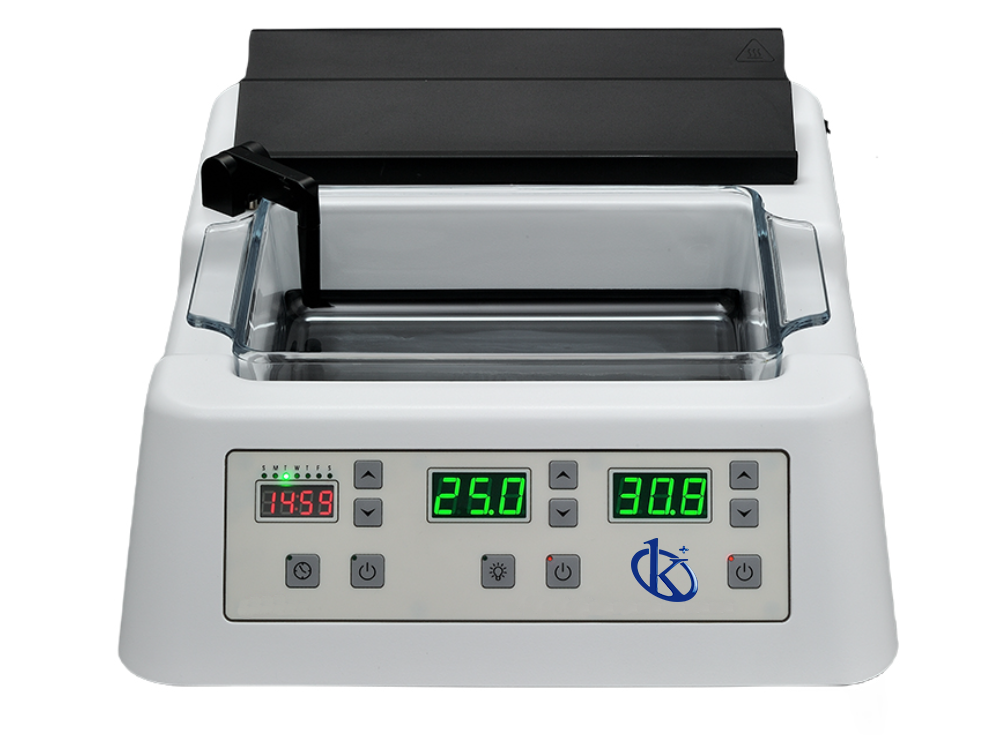
How to Implement Predictive Maintenance and Recommended Calibration for Tissue Flotation Workstations?
Tissue flotation workstations play a crucial role in pathological anatomy by aiding in the precise preparation of tissue samples for microscopic examination. As laboratory technology evolves, the importance of predictive maintenance and regular calibration cannot be overstated. This article investigates the operational efficiency and reliability of models such as YR457-1, YR456, and YR457 in the context of predictive maintenance strategies and recommended calibration practices.
Understanding Predictive Maintenance in Tissue Flotation Workstations
Predictive maintenance involves monitoring equipment conditions to predict failures before they occur. This approach is especially beneficial for tissue flotation workstations, as it helps maintain optimal operating conditions and ensures the accuracy of results. Implementing a predictive maintenance program can improve the longevity of devices like YR457-1, which features automatic memory functions to store temperature settings, thus ensuring consistent performance.
Calibration and Its Importance in Tissue Flotation
Calibration refers to the process of configuring an instrument to provide a result for a sample within an acceptable range. For tissue flotation workstations, calibration ensures that temperature controls remain accurate, directly impacting the reliability of tissue preparation. Models such as YR456 offer controlled temperature ranges and automatic restoration functions to maintain optimal conditions for users.
Recommended Calibration Intervals
Regular calibration is paramount for maintaining accuracy in tissue flotation workstations. It is generally recommended to calibrate these devices on a quarterly basis, or more frequently depending on usage intensity. Devices like YR457 are equipped with precise temperature control, allowing easy adjustments to maintain standards during routine calibration checks.
Common Calibration Practices for Tissue Flotation Workstations
Calibration practices may include using traceable temperature standards, conducting routine checks against established benchmarks, and documenting all calibration activities. This ensures compliance with industry standards such as ISO 17025, which emphasizes the importance of maintaining equipment accuracy in laboratories.
Failure Modes and Their Impact on Performance
Identifying potential failure modes is critical in predictive maintenance. Common failures in tissue flotation workstations may arise from temperature fluctuations, sensor malfunctions, or electrical issues. For instance, a malfunction in the temperature control system of the YR457 could lead to inaccurate sample preparation, thereby affecting overall lab efficiency.
Key Performance Indicators for Predictive Maintenance
To measure success in predictive maintenance, key performance indicators (KPIs) such as Mean Time Between Failures (MTBF) and Mean Time to Repair (MTTR) should be monitored. These metrics will provide insights into the operational efficiency of models like YR457-1 and the frequency of required maintenance actions.
Integration of Predictive Maintenance Software
Using predictive maintenance software can help schedule maintenance tasks, record calibration results, and track the performance of tissue flotation workstations. This integration promotes a streamlined workflow in laboratories, especially for those utilizing advanced models like YR457, which come equipped with sophisticated monitoring systems.
Comparison of Available Models
| Model | Temperature Control Precision | Price (USD) | Best for |
|---|---|---|---|
| YR457-1 | ±2℃ | 1200.00 | Frequent use in busy labs |
| YR456 | ±2℃ | 800.00 | Cost-effective solutions |
| YR457 | ±2℃ | 900.00 | Standard laboratory applications |
Common Mistakes and How to Avoid Them
Laboratories often overlook the importance of regular calibration schedules, leading to inconsistent results. Additionally, failing to document calibration activities can result in non-compliance with industry standards such as ISO 17025. To avoid these pitfalls, establish a strict maintenance calendar and ensure all staff are trained on documentation practices.
Frequently Asked Questions
How often should tissue flotation workstations be calibrated for accuracy?
Tissue flotation workstations should generally be calibrated at least quarterly to ensure accuracy, especially models like YR457 that require precise temperature control. Regular calibration helps maintain compliance with ISO standards.
What are the benefits of predictive maintenance for tissue flotation equipment?
Predictive maintenance minimizes unexpected downtimes and extends the lifespan of equipment such as YR456 by identifying potential failures early, ensuring consistent operation and sample integrity in laboratories.
Which model of tissue flotation workstation is best for regular laboratory use?
The YR457 is a recommended model for regular laboratory use due to its reliable performance and features that support predictive maintenance, including automatic temperature control and memory functions.
What role does temperature control play in tissue flotation workstations?
Temperature control is vital in tissue flotation workstations as it affects the quality of sample preparation. Models like YR457-1 provide precise temperature ranges to ensure that samples are adequately managed for optimal results.
How can I ensure compliance with calibration standards in my lab?
To ensure compliance with calibration standards, maintain a detailed log of calibration activities and adhere to established schedules. Utilizing equipment like the YR456 can streamline this process through automatic functions and real-time monitoring.
What is the impact of improper calibration on tissue samples?
Improper calibration can lead to inaccurate temperature settings, adversely affecting the quality of tissue samples. This can result in misinterpretations during examinations, highlighting the importance of regular calibration for devices like YR457.
Why is documentation important in the calibration process?
Documentation is crucial in the calibration process as it provides evidence of compliance with standards like ISO 17025. It ensures that all calibration activities are tracked, promoting accountability and operational integrity.
How can predictive maintenance extend the life of my laboratory equipment?
Predictive maintenance can extend the life of laboratory equipment such as the YR457 by proactively addressing issues before they lead to failures, ensuring consistent performance and reducing the frequency of repairs.
If you are looking for a fusion of innovation and quality, you have come to the right place. At Kalstein, we offer you the luxury of exploring our exclusive catalog of laboratory equipment. We manufacture every device to the highest standards of excellence. Our intuitive and seamless online purchasing channels are designed for your convenience, securing the most competitive prices. Hesitate no longer — we bring science to life, it is time to become part of our community.