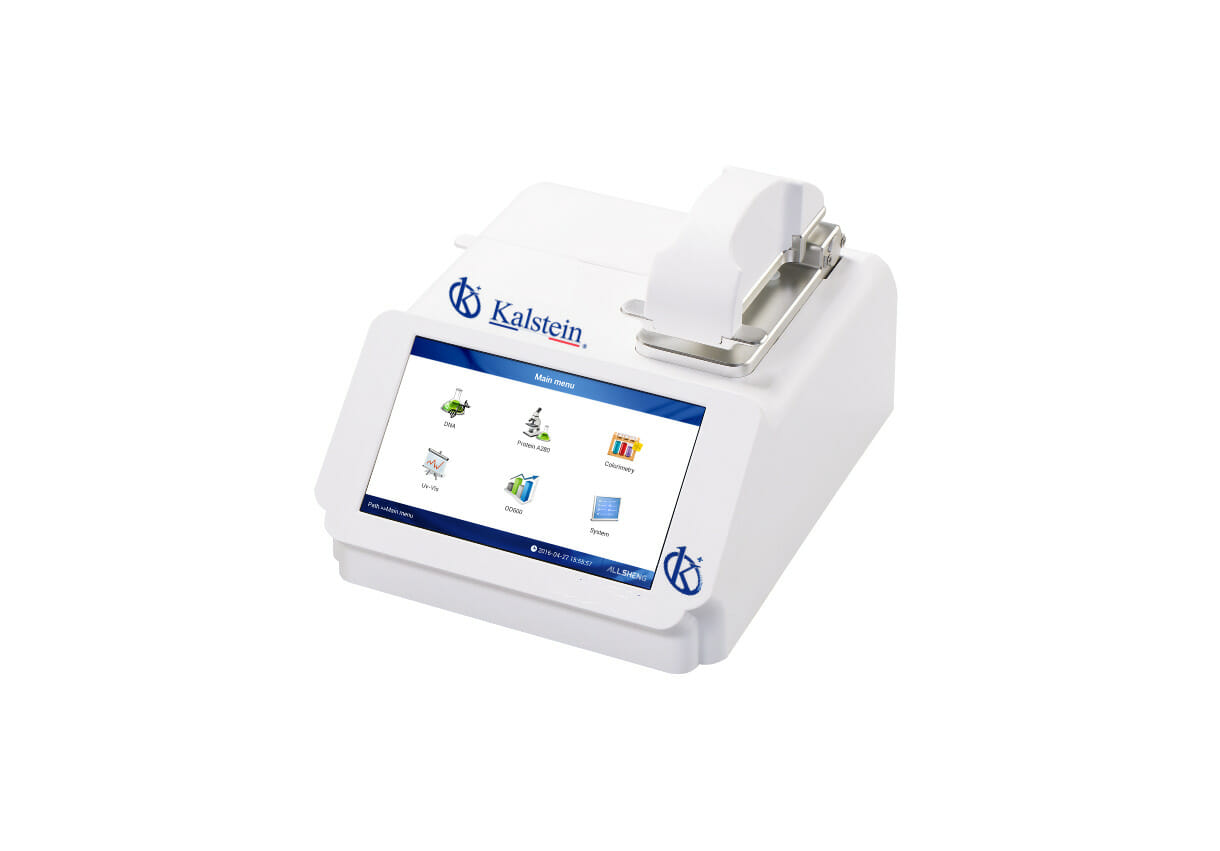
Predictive Maintenance and Recommended Calibration for Micro-Spectrophotometers
Micro-spectrophotometers are crucial analytical tools in modern laboratories, particularly in the fields of molecular biology and biochemistry. As the demand for precision and reliability increases, the importance of implementing effective predictive maintenance and calibration protocols cannot be overstated. This article will delve into essential practices for maintaining the performance and accuracy of micro-spectrophotometers, emphasizing the models available on the market.
Understanding Predictive Maintenance in Micro-Spectrophotometers
Predictive maintenance refers to the proactive approach of monitoring the performance of laboratory equipment to anticipate failures before they occur. Implementing a predictive maintenance strategy for micro-spectrophotometers can significantly reduce downtime and repair costs while enhancing overall laboratory efficiency.
Key areas to focus on include monitoring key performance indicators (KPIs) such as Mean Time Between Failures (MTBF) and Mean Time to Repair (MTTR). With tools such as the YR06033-1 and YR06035 micro-spectrophotometers, laboratories can leverage built-in diagnostic features to track performance metrics in real time.
Recommended Calibration Practices for Micro-Spectrophotometers
Regular calibration is essential to ensure the accuracy and precision of measurement results. Calibration practices should adhere to established standards and guidelines. The frequency of calibration depends on several factors, including usage intensity, equipment age, and manufacturer's recommendations.
For the YR06034 model, which is designed for detecting concentrations and purity of nucleic acids, calibration should occur at least once every six months or after significant use. This ensures reliable results in critical applications like DNA quantification and purity assessment.
Key Calibration Standards for Micro-Spectrophotometers
Compliance with key calibration standards such as ISO 17025 enhances the credibility of laboratory results. This international standard outlines the requirements for testing and calibration laboratories, including the need for traceability of measurement results to national or international standards. Each micro-spectrophotometer model should be assessed for its adherence to these standards to ensure reliability.
The YR06035 model, with its advanced full wavelength range features, satisfies the necessary precision requirements, making it an excellent choice for laboratories seeking compliance and accuracy.
Factors Influencing Calibration Intervals
Calibration intervals can vary based on usage, environmental conditions, and specific laboratory requirements. Understanding these factors is crucial for establishing an effective calibration schedule. High-volume labs may need to recalibrate more frequently than those with less usage.
For instance, the YR06033-1 model, which can rapidly measure samples, may require more frequent calibration if used extensively for nucleic acid assays, emphasizing the need for a tailored approach to calibration intervals.
Creating a Calibration Schedule for Micro-Spectrophotometers
A well-structured calibration schedule can greatly enhance the reliability of laboratory results. This schedule should incorporate specific dates for calibration based on usage patterns and manufacturer guidelines. Additionally, including preventive maintenance checks for each model can further ensure optimal performance.
The following table outlines suggested calibration schedules based on the frequency of usage for popular micro-spectrophotometers in the lab:
| Model Code | Usage Level | Recommended Calibration Interval | Maintenance Checks |
|---|---|---|---|
| YR06033-1 | High | Monthly | Weekly Performance Check |
| YR06034 | Medium | Every 6 Months | Monthly Performance Check |
| YR06035 | Low | Annually | Quarterly Performance Check |
Comparison of Available Models
Understanding the unique capabilities of different micro-spectrophotometer models is crucial for selecting the right equipment for specific laboratory needs. Below is a table summarizing the essential specifications and features of each model discussed in this article:
| Model Code | Wavelength Range (nm) | Minimum Sample Size (μl) | Key Features | Best For |
|---|---|---|---|---|
| YR06033-1 | 200-800 | 0.5-2.0 | Cell Concentration Testing, Touchscreen Display | General Lab Use |
| YR06034 | 260, 280 | 1-2.0 | Direct Sample Application, Quick Measurements | Nucleic Acid Purity Testing |
| YR06035 | 200-800 | 0.5-2.0 | Bacterial OD Measurement, Android OS | Life Sciences Research |
Common Mistakes and How to Avoid Them
Laboratories often face pitfalls in their calibration and maintenance processes. Understanding these common mistakes can help prevent costly errors and ensure consistent performance. One frequent issue is neglecting to maintain a proper calibration log, which can lead to inaccurate measurements and compliance failures.
Another common mistake is using improper techniques during calibration checks. Each micro-spectrophotometer model may have specific requirements for calibration procedures, and failing to adhere to these guidelines can result in decreased accuracy. For instance, the YR06034 model requires specific handling of nucleic acid samples to avoid contamination during calibration.
Frequently Asked Questions
How often should I calibrate my micro-spectrophotometer for optimal performance?
The calibration frequency for a micro-spectrophotometer, like the YR06035, typically ranges from monthly to annually, depending on usage intensity. High-use devices should be calibrated monthly, while lower-use models can be calibrated annually to ensure precision in readings.
What calibration standards should my micro-spectrophotometer meet?
Micro-spectrophotometers must meet calibration standards such as ISO 17025 to ensure measurement accuracy and traceability. The YR06033-1 model, for example, adheres to these standards, making it suitable for laboratories that require high-quality results.
What are the main benefits of predictive maintenance for micro-spectrophotometers?
Predictive maintenance helps reduce downtime, extends the lifespan of equipment, and enhances measurement accuracy. By monitoring performance indicators, laboratories using models like the YR06034 can prevent unexpected failures and ensure continuous operation.
How can I ensure traceability in my micro-spectrophotometer measurements?
Traceability in measurements can be ensured by regularly calibrating your micro-spectrophotometer according to national standards. The YR06035 model supports this with features that facilitate accurate readings and compliance with traceability protocols.
What role does calibration play in maintaining accuracy in laboratory results?
Calibration is vital for maintaining accuracy in laboratory results, as it ensures that measurements are consistent and reliable. Models such as the YR06033-1 require regular calibration to provide precise readings crucial for research applications.
Which micro-spectrophotometer model is best for DNA quantification?
The YR06034 model is highly recommended for DNA quantification due to its ability to measure nucleic acid concentration with minimal sample size and quick results, ensuring reliability in molecular biology applications.
What common mistakes should I avoid during micro-spectrophotometer calibration?
Common mistakes include failing to maintain a calibration log and using incorrect techniques. Each model, like the YR06035, has specific calibration requirements that must be followed to ensure accurate measurements and compliance.
How do environmental conditions impact micro-spectrophotometer calibration?
Environmental conditions such as temperature and humidity can significantly affect calibration accuracy. It's crucial to calibrate models like the YR06033-1 in a controlled environment to maintain precision and reliability in measurements.
If you are looking for a fusion of innovation and quality, you have come to the right place. At Kalstein, we offer you the luxury of exploring our exclusive catalog of laboratory equipment. We manufacture every device to the highest standards of excellence. Our intuitive and seamless online purchasing channels are designed for your convenience, securing the most competitive prices. Hesitate no longer — we bring science to life, it is time to become part of our community.