How to Implement Predictive Maintenance and Calibration for Food Safety Analyzers?
In the field of laboratory testing, specifically regarding food safety analyzers, ensuring precision through predictive maintenance and regular calibration is essential for compliance and accurate results. This article explores the methodologies, importance, and strategic implementation of both predictive maintenance and calibration as they relate to food safety analyzers.
Understanding Predictive Maintenance in Food Safety Analyzers
Predictive maintenance involves a proactive approach to equipment management, utilizing data-driven insights to anticipate and prevent equipment failures. For food safety analyzers, implementing predictive maintenance reduces downtime, extends the lifespan of equipment, and ensures consistent performance.
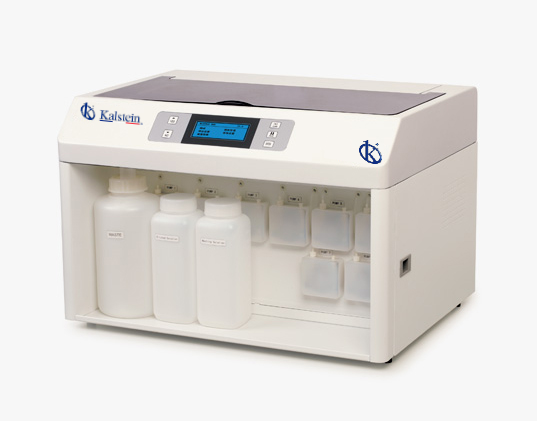
Regularly monitoring analyzers such as the Automated Unique Immunology Analyzer YR06090 can prevent unexpected breakdowns. This model's capability to process up to 40 strips per run highlights the importance of maintaining optimal operational conditions to handle high-demand scenarios effectively.
Periodic Calibration: A Key to Accurate Measurements
Calibration is the process of adjusting and verifying the accuracy of measurement devices. Food safety analyzers must adhere to established calibration protocols to ensure compliance with industry standards. For example, the Food Safety Analyzer YR06089 requires regular calibration to maintain its accuracy in detecting pesticide residues and contaminants.
Implementing a structured calibration schedule is essential. Typically, calibration should occur at specified intervals, such as quarterly or after a certain number of tests, depending on the model's usage and manufacturer recommendations.
Importance of Compliance with Regulatory Standards
Compliance with regulatory standards such as ISO 17025 is critical for food safety laboratories. Adhering to these standards requires robust maintenance and calibration protocols. Analyzers like the Analyzer and Microplate Incubator Shaker YR06093 help laboratories meet these compliance requirements by providing consistent temperature control, which is vital for accurate testing results.
Establishing a Predictive Maintenance Strategy
To successfully implement predictive maintenance, laboratories should consider the following steps:
- Data Collection: Use sensors and monitoring tools to gather data on equipment performance and usage.
- Analysis: Analyze the data to identify patterns and predict potential failures.
- Action Plan: Create a plan for maintenance tasks, including scheduled checks and interventions for critical components.
Calibration Best Practices for Food Safety Analyzers
Effective calibration practices should involve the following considerations:
- Use Traceable Standards: Ensure that calibration standards are traceable to national or international measurement standards.
- Document Procedures: Keep meticulous records of calibration activities, including dates, results, and any adjustments made.
- Training Personnel: Train laboratory staff on proper calibration techniques and the importance of maintaining compliance.
Common Mistakes and How to Avoid Them
When implementing predictive maintenance and calibration, laboratories often encounter pitfalls such as:
- Neglecting to document maintenance activities, leading to incomplete records.
- Relying solely on reactive maintenance instead of proactive measures.
- Failing to calibrate equipment at the recommended intervals, resulting in inconsistent results.
By maintaining accurate records and adhering to established schedules, labs can avoid these common mistakes.
Comparison of Available Models
| Model | Calibration Frequency | Best For | Predictive Maintenance Features |
|---|---|---|---|
| YR06090 | Quarterly | High throughput immunology testing | Performance monitoring and error alerts |
| YR06089 | Monthly | Pesticide and antibiotic residue testing | Data analytics for performance prediction |
| YR06093 | Bi-annual | Incubation and agitation tasks | Temperature control and monitoring |
Frequently Asked Questions
What calibration standards are best for food safety analyzers in 2023?
Calibration standards that are traceable to ISO 17025 are recommended for food safety analyzers. For instance, the YR06089 is designed to perform accurate pesticide and antibiotic residue tests, making high-quality calibration protocols necessary for compliance.
How often should the YR06090 be calibrated to ensure accuracy?
The YR06090 should ideally be calibrated quarterly to maintain its high precision in processing multiple strips. Such a frequency helps ensure that the analyzer operates within the required specifications for consistent performance.
What are the benefits of implementing predictive maintenance for food safety analyzers?
Implementing predictive maintenance for food safety analyzers like YR06093 reduces downtime and enhances reliability. By monitoring performance data, laboratories can anticipate failures and schedule maintenance, ensuring consistent testing results and operational efficiency.
Which model is best for high-throughput food safety analysis?
The YR06090 is the best model for high-throughput food safety analysis, capable of processing up to 40 strips per run. It is essential to establish a regular calibration routine to maintain its performance in demanding laboratory environments.
How does calibration frequency affect the reliability of food safety tests?
Calibration frequency directly influences the reliability of food safety tests. For models like YR06089, monthly calibration helps in maintaining precise measurements, which is crucial for detecting contaminants effectively in food safety analysis.
What predictive maintenance metrics should be monitored for food safety analyzers?
Key predictive maintenance metrics for food safety analyzers include Mean Time Between Failures (MTBF) and Mean Time To Repair (MTTR). Monitoring these metrics will enable laboratories to optimize maintenance schedules for models like YR06093, ensuring efficient operation.
How can laboratories ensure compliance with calibration standards for food safety analyzers?
Laboratories can ensure compliance by using traceable calibration standards and maintaining detailed records of calibration activities. This is especially important for the YR06089, which operates under strict regulatory requirements for food safety testing.
What role does documentation play in the calibration of food safety analyzers?
Documentation is critical in the calibration process for food safety analyzers like the YR06090. Keeping accurate records helps track calibration history, ensuring compliance with standards and providing traceability for audit purposes.
If you are looking for a fusion of innovation and quality, you have come to the right place. At Kalstein, we offer you the luxury of exploring our exclusive catalog of laboratory equipment. We manufacture every device to the highest standards of excellence. Our intuitive and seamless online purchasing channels are designed for your convenience, securing the most competitive prices. Hesitate no longer — we bring science to life, it is time to become part of our community.