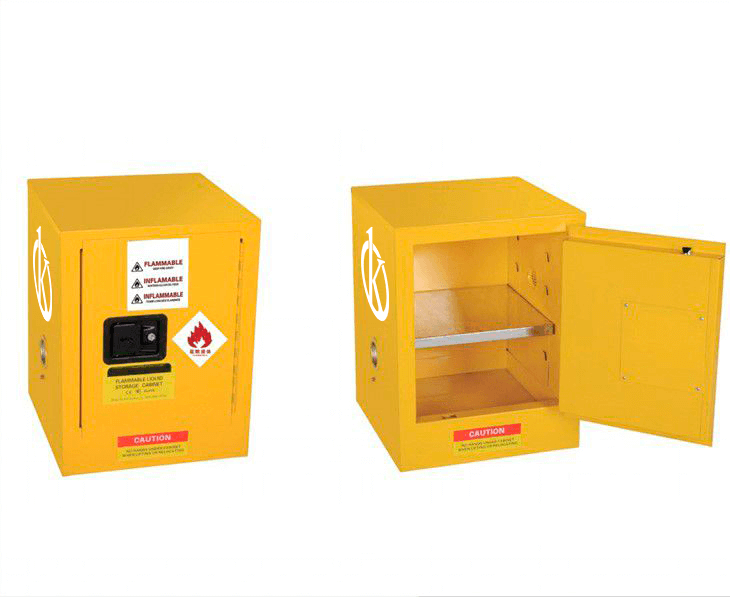
How Predictive Maintenance and Regular Calibration Enhance Explosion-Proof Cabinets
Explosion-proof cabinets are essential for laboratories that handle volatile substances. They are designed to prevent explosive atmospheres from igniting, ensuring the safety of laboratory personnel and the integrity of the workspace. Maintaining these cabinets through predictive maintenance and regular calibration is crucial for their effective performance and compliance with safety standards. This article delves into the importance of these practices in the context of various models of explosion-proof cabinets, providing laboratory professionals with comprehensive insights.
Understanding Predictive Maintenance and Regular Calibration
Predictive maintenance involves monitoring the condition of equipment to predict when maintenance should be performed. This proactive approach aims to reduce the likelihood of unexpected failures. Regular calibration, on the other hand, ensures that the equipment is functioning accurately and effectively according to set standards. Both practices are vital for explosion-proof cabinets, which must adhere to strict safety regulations.
Benefits of Predictive Maintenance for Explosion-Proof Cabinets
Implementing predictive maintenance for explosion-proof cabinets minimizes downtime and enhances operational efficiency. By using data analytics and monitoring systems, laboratories can anticipate failures before they occur, allowing for timely repairs that can prevent potentially hazardous situations. This approach not only protects personnel but also ensures compliance with safety standards.
Importance of Regular Calibration
Regular calibration of explosion-proof cabinets is necessary to ensure they meet the required safety standards, such as those set by OSHA and NFPA. Calibration checks should be conducted at specified intervals, often based on the manufacturer's recommendations or regulatory requirements. This practice confirms that safety features, such as locking mechanisms and airflow systems, function correctly.
Models of Explosion-Proof Cabinets and Their Maintenance Needs
Several models of explosion-proof cabinets are available, each with unique features that cater to different laboratory needs. Understanding the maintenance requirements of each model is pivotal for laboratory managers.
Model Overview
| Model Code | Dimensions | Weight (Kg) | Volume | Type of Door | Best For |
|---|---|---|---|---|---|
| YR05464-1 | 330x330x330 mm | 21 | 2 GAL / 7 L | Single Door | Flammable Liquids |
| YR05464-2 | 330x330x330 mm | 21 | 2 GAL / 7 L | Single Door | Flammable Liquids |
| YR05465 | 560x430x430 mm | 21 | 4 GAL / 15 L | Single Door | Combustible Liquids |
| YR05465-1 | 560x430x430 mm | 21 | 4 GAL / 15 L | Single Door | Combustible Liquids |
| YR05465-2 | 560x430x430 mm | 21 | 4 GAL / 15 L | Single Door | Corrosive Liquids |
Comparison of Available Models
| Model | Features | Best Uses | Recommended Maintenance Schedule |
|---|---|---|---|
| YR05464-1 | Two secure locks, adjustable shelving | Safe storage of flammable aerosols | Quarterly inspections, annual calibration |
| YR05464-2 | Three-point locking system, double lock | Storage of hazardous materials | Quarterly inspections, annual calibration |
| YR05465 | Heavy-duty design, suitable for various chemicals | Combustibles and corrosives | Quarterly inspections, annual calibration |
| YR05465-1 | Double security, robust construction | Combustible liquids storage | Quarterly inspections, annual calibration |
| YR05465-2 | Corrosive liquid containment | Storage for corrosives | Quarterly inspections, annual calibration |
Common Mistakes and How to Avoid Them
Laboratories often overlook the importance of a structured maintenance schedule for explosion-proof cabinets. A common mistake is neglecting regular calibration, which could lead to non-compliance with safety standards. Additionally, failing to document maintenance activities can result in gaps during audits. To avoid these pitfalls, laboratories should establish a clear maintenance protocol, assign responsibilities, and keep accurate records of all inspections and calibrations.
Frequently Asked Questions
What are the key features to look for in an explosion-proof cabinet for laboratories?
When selecting an explosion-proof cabinet, focus on features like secure locking mechanisms, adjustable shelves, and compliance with safety standards such as NFPA. For instance, the YR05465 model offers heavy-duty design and safety features suitable for storing combustible materials, making it an excellent choice for laboratories.
How often should explosion-proof cabinets be calibrated for compliance?
Explosion-proof cabinets should undergo calibration at least annually as per OSHA guidelines. Regular checks are vital to ensure compliance and safety. For example, the YR05464-1 model is recommended for quarterly inspections and annual calibration to maintain its integrity and function.
What maintenance tasks should be prioritized for explosion-proof cabinets?
Prioritize tasks such as checking locking mechanisms, inspecting for leaks, and ensuring proper shelving adjustments. For the YR05465-2 model, regular inspections should focus on the integrity of the containment and any corrosion signs to maintain safety standards.
How does predictive maintenance improve the safety of explosion-proof cabinets?
Predictive maintenance enhances safety by identifying potential issues before they escalate. Techniques like condition monitoring can alert users to necessary maintenance on cabinets like the YR05465, thereby preventing hazardous situations and ensuring compliance with safety regulations.
What are the consequences of neglecting regular calibration of explosion-proof cabinets?
Neglecting regular calibration can lead to compliance failures, increased risk of accidents, and costly downtime. For example, if the YR05464-2 cabinet is not calibrated, its safety features may not function correctly, posing serious risks in laboratories where flammable materials are stored.
Which explosion-proof cabinet model is best for storing corrosive liquids?
The YR05465-2 model is designed specifically for corrosive liquids, featuring a robust construction that supports safe storage. Regular maintenance and calibration are essential to ensure it meets safety standards in labs handling hazardous materials.
What documentation is needed for maintaining explosion-proof cabinets?
Documentation should include maintenance logs, calibration certificates, and inspection reports. Keeping thorough records for models like the YR05465-1 helps labs stay compliant with safety regulations and prepares them for inspections.
How can I request a quote for an explosion-proof cabinet?
To request a quote for an explosion-proof cabinet, visit our inquiry section, where you can specify your needs and receive tailored pricing options. Our team is ready to assist you in finding the right model for your laboratory's safety storage requirements.
If you are looking for a fusion of innovation and quality, you have come to the right place. At Kalstein, we offer you the luxury of exploring our exclusive catalog of laboratory equipment. We manufacture every device to the highest standards of excellence. Our intuitive and seamless online purchasing channels are designed for your convenience, securing the most competitive prices. Hesitate no longer — we bring science to life, it is time to become part of our community.