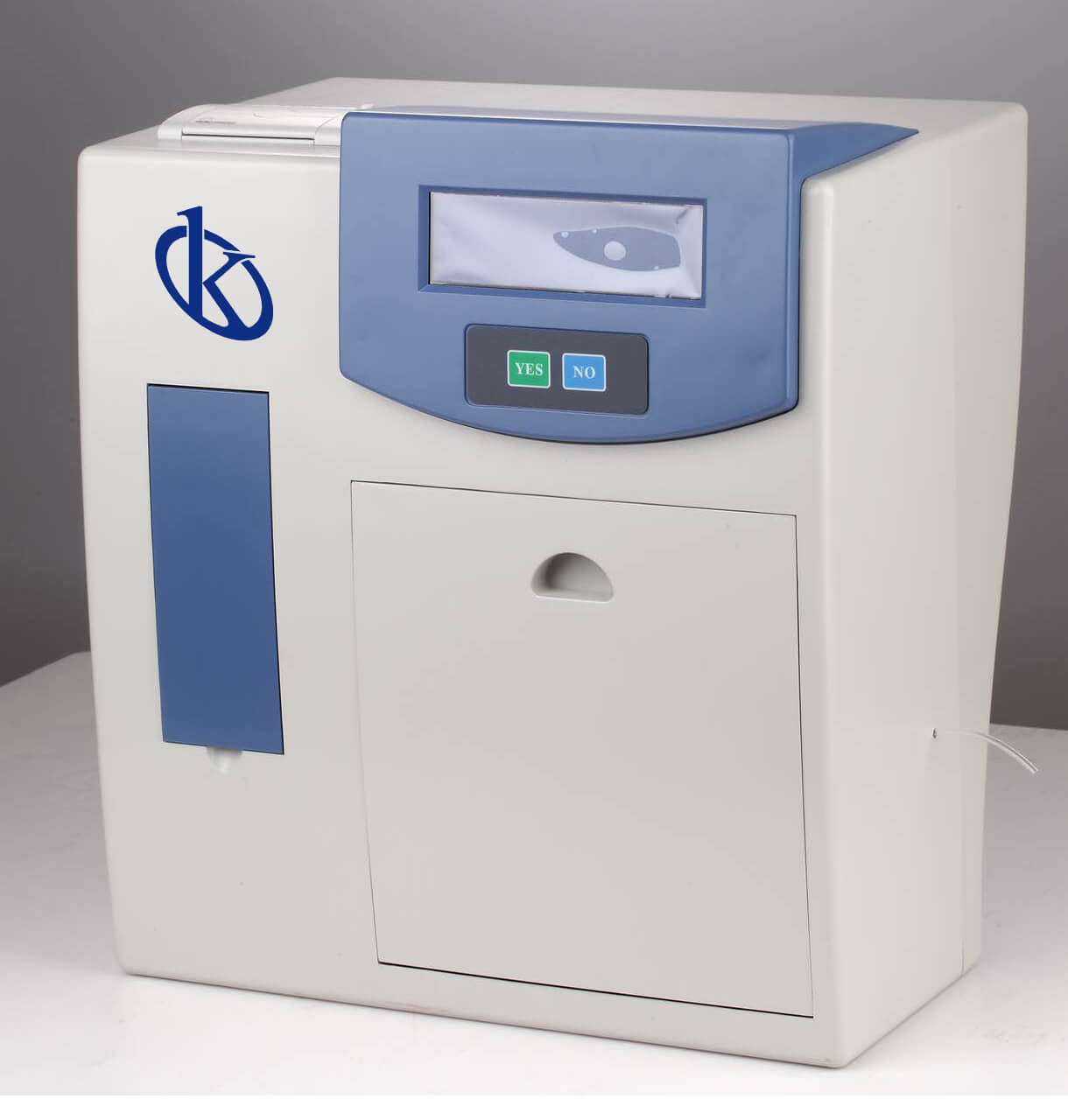
How Predictive Maintenance and Recommended Calibration Impact Electrolyte Analyzers
Electrolyte analyzers play a crucial role in clinical laboratories, enabling the accurate measurement of electrolytes such as sodium (Na), potassium (K), and chloride (Cl) in various samples. To ensure these instruments operate at peak performance, predictive maintenance and regular calibration are integral aspects of laboratory practice. This article delves into the importance of these practices tailored to electrolyte analyzers, highlighting the models available and their respective features.
Understanding Predictive Maintenance for Electrolyte Analyzers
Predictive maintenance (PdM) refers to a maintenance strategy that uses diagnostic tools and techniques to predict when equipment failure might occur. This approach focuses on preventing unexpected breakdowns, thereby enhancing operational efficiency and reducing downtime. By leveraging data analytics and continuous monitoring, laboratories can anticipate equipment issues before they escalate.
In the context of electrolyte analyzers, predictive maintenance involves several key practices:
- Regular Monitoring: Continuous assessment of the instrument’s performance metrics to detect anomalies.
- Data Analysis: Using historical performance data to identify trends that may indicate potential failures.
- Proactive Calibration: Adjusting and calibrating the analyzers based on predictive insights to maintain accuracy.
The Role of Calibration in Electrolyte Analyzers
Calibration is the process of configuring an instrument to provide a result for a sample within an acceptable range. For electrolyte analyzers, regular calibration is essential to ensure the accuracy and reliability of test results. Calibration frequencies can depend on several factors, including the intensity of use, the stability of reagent solutions, and the specific requirements of laboratory standards.
Key benefits of regular calibration include:
- Accuracy: Ensuring that measurements are both reliable and precise.
- Compliance: Meeting regulatory standards, such as ISO 17025, which require consistent calibration processes.
- Cost Efficiency: Reducing the need for more frequent repairs and prolonging the lifespan of the equipment.
Comparison of Available Models
| Model | Calibration Features | Maintenance Alerts | Best for |
|---|---|---|---|
| YR05169 | Automatic two-point calibration | Real-time diagnostic alerts | High-throughput labs |
| YR06391 | Intuitive calibration setup | Low reagent cost monitoring | Budget-conscious institutions |
| YR06392 | Routine calibration reminders | Performance tracking | Small labs with limited workflow |
| YR06393 | Flexibility in calibration intervals | Maintenance history logs | Multifunctional laboratory environments |
| YR06394 | Customizable calibration options | Alerts for residual liquid | Clinical settings with varied samples |
| YR06395 | Automatic adjustments based on standards | Threshold alerts for performance | High-volume testing scenarios |
Common Mistakes and How to Avoid Them
In the realm of electrolyte analysis, several common pitfalls may arise, particularly concerning maintenance and calibration:
- Infrequent Calibration: Failing to adhere to a calibration schedule can lead to inaccurate results. Implement a strict calendar for regular checks.
- Neglecting Maintenance Alerts: Ignoring alerts from analyzers such as the YR05169 can lead to deteriorating performance. Always respond promptly to diagnostic notifications.
- Improper Training: Operators should receive thorough training on calibration protocols and maintenance practices to avoid mishandling.
Best Practices for Predictive Maintenance
To effectively implement predictive maintenance for electrolyte analyzers, consider the following best practices:
- Utilize Data Analytics: Employ software tools that can analyze operational data to forecast maintenance needs.
- Establish KPIs: Develop Key Performance Indicators (KPIs) such as Mean Time Between Failures (MTBF) to measure the effectiveness of your maintenance program.
- Document Procedures: Keep thorough records of all maintenance and calibration activities to facilitate audit trails and compliance.
Calibration Intervals and Standards
Determining the right calibration intervals is crucial for maintaining the accuracy of electrolyte analyzers. Generally, the following guidelines can be used:
| Model | Recommended Calibration Interval | Traceability Standards |
|---|---|---|
| YR05169 | Monthly | ISO 17025 |
| YR06391 | Every 3 months | ISO 15189 |
| YR06392 | Bi-annually | IEC 61010 |
| YR06393 | Every 6 months | ISO 17025 |
| YR06394 | Annually | ISO 15189 |
| YR06395 | Every 6 months | IEC 61010 |
Frequently Asked Questions
What are the recommended calibration intervals for electrolyte analyzers in laboratories?
The recommended calibration intervals for electrolyte analyzers vary by model. For instance, the YR05169 should be calibrated monthly, while the YR06391 requires calibration every 3 months to maintain accuracy.
How can predictive maintenance improve the reliability of electrolyte analyzers?
Predictive maintenance enhances the reliability of electrolyte analyzers like the YR05169 by utilizing data analytics to forecast potential failures, ensuring proactive interventions before issues arise.
What specific calibration standards should laboratories comply with for electrolyte analyzers?
Laboratories must comply with various calibration standards, including ISO 17025 for testing and calibration laboratories. Models such as the YR06391 are built to meet these stringent requirements.
How often should an electrolyte analyzer be maintained for optimal performance?
Optimal maintenance frequency for an electrolyte analyzer, such as the YR06392, is typically every 3 months, which helps ensure consistent performance and accurate results.
What impact does calibration have on the cost-effectiveness of electrolyte analyzers?
Regular calibration significantly impacts the cost-effectiveness of electrolyte analyzers by preventing costly errors and extending the instruments' lifespan, ultimately leading to greater operational savings.
Which electrolyte analyzer provides the best predictive maintenance features?
The YR05169 excels in predictive maintenance features with its automatic diagnostic alerts, allowing labs to address issues proactively, ensuring continuous operation and reliability.
What are the key features to look for in an electrolyte analyzer for a clinical laboratory?
When selecting an electrolyte analyzer, look for key features like automatic calibration, real-time diagnostics, and low operational costs. Models like YR06391 and YR06395 offer these capabilities, making them ideal choices.
How does predictive maintenance compare to traditional maintenance approaches for electrolyte analyzers?
Predictive maintenance focuses on identifying potential issues before they occur, unlike traditional methods which are often reactive. For example, using the YR05169, labs can leverage data insights to optimize maintenance schedules.
If you are looking for a fusion of innovation and quality, you have come to the right place. At Kalstein, we offer you the luxury of exploring our exclusive catalog of laboratory equipment. We manufacture every device to the highest standards of excellence. Our intuitive and seamless online purchasing channels are designed for your convenience, securing the most competitive prices. Hesitate no longer — we bring science to life, it is time to become part of our community.