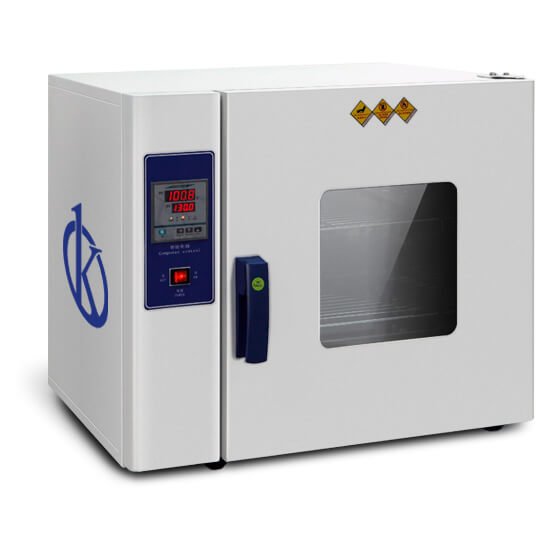
Understanding Predictive Maintenance and Recommended Calibration in Drying Ovens
In the realm of laboratory equipment, drying ovens play a crucial role in various applications, including drying, sterilization, and thermostatic storage. As laboratory professionals strive for efficiency and compliance with industry standards, understanding the importance of predictive maintenance and calibration becomes paramount. This article will delve into these essential practices, focusing on how they impact the performance and reliability of drying ovens.
The Importance of Predictive Maintenance in Drying Ovens
Predictive maintenance is a proactive approach to equipment management that utilizes data analysis to predict when a machine will fail. For drying ovens, this involves monitoring key performance indicators (KPIs) such as temperature fluctuations, overheating alerts, and operational efficiency metrics. By implementing predictive maintenance strategies, labs can reduce downtime, extend equipment lifespan, and ensure consistent results.
Key Performance Indicators (KPIs) to Monitor
Critical KPIs for drying ovens include Mean Time Between Failures (MTBF), Mean Time To Repair (MTTR), and temperature consistency. Monitoring these indicators allows technicians to identify potential issues before they escalate, ensuring that the drying processes remain uninterrupted and compliant with operational standards.
Calibration Best Practices for Drying Ovens
Calibration is essential for maintaining the accuracy and reliability of drying ovens. Regular calibration ensures that the equipment operates within specified tolerances, which is critical for applications requiring precise temperature control. The recommended calibration intervals typically range from quarterly to annually, depending on the frequency of use and the specific model's requirements.
Calibration Techniques
Effective calibration techniques involve using certified calibration standards and following a documented calibration procedure. This helps in maintaining traceability and compliance with international standards such as ISO 17025. Establishing a calibration schedule ensures that all models, including the Electric Heating Drying Stove YR05244 and YR05245, remain within their specified operational ranges.
Comparison of Available Models
| Model | Temperature Range (°C) | Accuracy (°C) | Recommended Usage | Price (USD) |
|---|---|---|---|---|
| YR05244 | RT+5 to 250 | ±0.1 | High uniformity requirements | 295.00 |
| YR05245 | RT+5 to 250 | ±0.1 | High uniformity requirements | 364.00 |
| YR05246 | RT+5 to 250 | ±0.1 | High uniformity requirements | 486.00 |
| YR05247 | RT+5 to 250 | ±0.1 | High uniformity requirements | 598.00 |
| YR05248-A | RT+5 to 250 | ±1.0 | Routine lab use | 162.00 |
| YR05249-A | RT+5 to 250 | ±1.0 | Routine lab use | 180.00 |
Common Mistakes and How to Avoid Them
One of the most frequent mistakes in managing drying ovens is neglecting regular maintenance and calibration. Skipping these essential steps can lead to inaccurate readings, impacting research outcomes. Additionally, failing to train personnel on proper equipment usage and maintenance protocols can result in equipment mishandling. Regular training sessions and adherence to maintenance schedules can significantly mitigate these risks.
Frequently Asked Questions
What are the calibration intervals recommended for drying ovens in laboratories?
Calibration intervals for drying ovens, such as the Electric Heating Drying Stove YR05244, are typically recommended every 6 to 12 months. This ensures compliance with standards like ISO 17025, enhancing accuracy in temperature control and operational reliability.
How can predictive maintenance improve the lifespan of drying ovens?
Implementing predictive maintenance strategies, like monitoring MTBF and MTTR, can significantly extend the lifespan of drying ovens such as the YR05245. This proactive approach helps identify issues early, reducing unexpected downtimes and prolonging equipment usability.
What temperature accuracy can I expect from modern drying ovens?
Modern drying ovens, including models like YR05246, typically offer a temperature accuracy of ±0.1°C. This high level of precision is essential for applications requiring strict compliance with laboratory protocols.
How does poor calibration affect laboratory results from drying ovens?
Poor calibration can lead to inaccurate temperature settings in drying ovens like YR05247, affecting sample integrity and research outcomes. Regular calibration ensures that the equipment operates within specified tolerances, crucial for obtaining reliable results.
Which drying oven model is best for high-temperature applications?
For high-temperature applications, the Electric Heating Drying Stove YR05247, which operates up to 250°C, is an excellent choice. Its robust design and precise temperature control make it suitable for demanding laboratory environments.
What features should I consider when selecting a drying oven for my lab?
When selecting a drying oven, consider features like temperature range, accuracy, size, and material construction. Models such as YR05248-A are designed for routine lab use, providing essential features at a competitive price, suitable for various laboratory needs.
If you are looking for a fusion of innovation and quality, you have come to the right place. At Kalstein, we offer you the luxury of exploring our exclusive catalog of laboratory equipment. We manufacture every device to the highest standards of excellence. Our intuitive and seamless online purchasing channels are designed for your convenience, securing the most competitive prices. Hesitate no longer — we bring science to life, it is time to become part of our community.