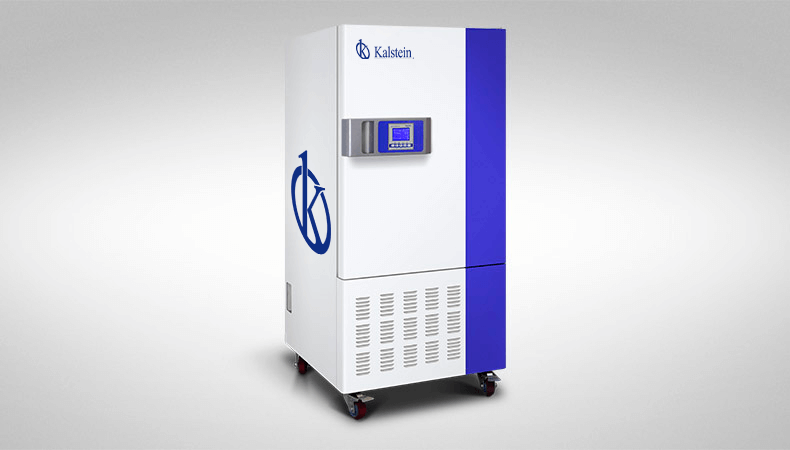
How Predictive Maintenance Enhances the Calibration of Drug Stability Test Chambers
Drug stability test chambers are vital in the pharmaceutical industry, where they ensure that medications retain their efficacy throughout their shelf life. Regular calibration and predictive maintenance of these chambers are crucial for compliance with industry standards and for ensuring accurate test results. In this article, we will explore how predictive maintenance strategies enhance the calibration process of drug stability test chambers, focusing on the models YR05350, YR05351, and YR05352.
Understanding Drug Stability Test Chambers
Drug stability test chambers create controlled environments to test the longevity and stability of pharmaceuticals under various temperature and humidity conditions. These chambers help simulate real-world conditions that drugs will face during storage and usage, thus providing vital data for manufacturers. Accurate calibration is essential to ensure that the conditions within the chamber align with the required testing standards.
The Role of Predictive Maintenance
Predictive maintenance involves monitoring the condition of equipment to predict when maintenance should be performed before a failure occurs. This approach extends the lifespan of drug stability test chambers and helps avoid unexpected breakdowns that could compromise testing integrity. Implementing predictive maintenance requires the use of sensors, data analytics, and an understanding of the operational parameters of each model.
Calibration Standards for Drug Stability Test Chambers
Calibration ensures that drug stability test chambers perform within specified limits. For instance, the model YR05350 has a temperature accuracy of ±0.1℃ and humidity fluctuation of ±3% HR, making it imperative that these parameters are regularly calibrated. Regular checks must align with standards such as ISO 17025 to maintain compliance and ensure laboratory credibility.
Model Comparison: Features and Benefits
When evaluating drug stability test chambers, it's essential to compare the features that enhance calibration and predictive maintenance capabilities. Below is a comparison table of the models discussed:
| Model | Temperature Range | Temperature Accuracy | Humidity Range | Best for |
|---|---|---|---|---|
| YR05350 | 0~60℃ | ±0.1℃ | 50~90% HR | Pharmaceutical testing |
| YR05351 | 0~60℃ | ±0.1℃ | 50~90% HR | Biotechnology applications |
| YR05352 | 0~60℃ | ±0.1℃ | 50~90% HR | Food industry testing |
Implementing Predictive Maintenance: Steps and Strategies
Implementing a predictive maintenance plan for drug stability test chambers involves several key steps. First, gather baseline data on each model's performance metrics. Next, install sensors to monitor critical parameters such as temperature and humidity. Data analytics tools can then predict potential failures and recommend maintenance schedules. This proactive approach helps maintain compliance with regulatory standards while ensuring optimal performance.
Common Mistakes and How to Avoid Them
A common mistake in maintaining drug stability test chambers is neglecting the importance of regular calibration checks. Many laboratories wait until a failure occurs to perform maintenance, leading to costly downtime and potential non-compliance. To avoid this, laboratories should schedule routine calibration based on predictive data insights and adhere to manufacturers’ recommendations.
Case Studies: Successful Implementation of Predictive Maintenance
Several pharmaceutical companies have successfully implemented predictive maintenance strategies that improved the reliability of their drug stability test chambers. For example, a company that integrated predictive maintenance into their calibration processes for the YR05351 model saw a 30% reduction in equipment failures, thus ensuring consistent testing conditions and compliance with industry regulations.
Frequently Asked Questions
How can predictive maintenance improve the calibration of drug stability test chambers?
Predictive maintenance utilizes data analytics to anticipate equipment issues and optimize calibration schedules. For instance, the YR05350 model benefits from predictive insights that ensure it maintains its temperature accuracy of ±0.1℃, critical for pharmaceutical testing.
What are the key calibration standards for drug stability test chambers?
Key calibration standards include ISO 17025, which emphasizes traceability and accuracy. Drug stability test chambers like the YR05352 must comply with these standards to ensure valid testing results and operational consistency in various environments.
Which model is best for long-term drug stability testing?
The YR05352 model is particularly suited for long-term drug stability testing, providing a controlled environment with precise temperature and humidity controls, essential for ensuring the efficacy of pharmaceutical products over extended periods.
What are the operational parameters for the YR05351 model?
The YR05351 model operates within a temperature range of 0~60℃ and humidity range of 50~90% HR, with a temperature accuracy of ±0.1℃, making it ideal for stringent testing requirements in biotechnology applications.
How often should drug stability test chambers be calibrated?
Calibration frequency depends on the usage and the specific model, but generally, it should be performed at least biannually or whenever significant environmental changes occur. Predictive maintenance can help determine optimal calibration schedules for models like YR05350.
What are the benefits of predictive maintenance in laboratory settings?
Predictive maintenance reduces unexpected equipment failures, optimizes operational efficiency, and ensures that drug stability test chambers like the YR05351 consistently meet regulatory standards, ultimately saving labs time and money.
How do I implement predictive maintenance in my laboratory?
Implementing predictive maintenance involves assessing current equipment performance, installing monitoring sensors, and using analytics to predict failures. For example, with the YR05350 model, data can inform when recalibration is necessary based on environmental fluctuations.
What are common pitfalls in maintaining drug stability test chambers?
Common pitfalls include waiting for equipment failures before performing maintenance and ignoring calibration schedules. Establishing a predictive maintenance plan can help avoid these issues, ensuring models like YR05352 operate reliably throughout their lifecycle.
If you are looking for a fusion of innovation and quality, you have come to the right place. At Kalstein, we offer you the luxury of exploring our exclusive catalog of laboratory equipment. We manufacture every device to the highest standards of excellence. Our intuitive and seamless online purchasing channels are designed for your convenience, securing the most competitive prices. Hesitate no longer — we bring science to life, it is time to become part of our community.