Predictive Maintenance and Recommended Calibration for COD/BOD Analyzers
Ensuring the reliable performance of COD (Chemical Oxygen Demand) and BOD (Biochemical Oxygen Demand) analyzers is essential for laboratories that assess water quality. Predictive maintenance and regular calibration are critical practices that enhance the longevity and precision of these instruments. This article delves into the importance of these processes, discusses various models, and provides insights on how to implement them effectively in laboratory settings.
Understanding Predictive Maintenance in COD/BOD Analyzers
Predictive maintenance refers to the systematic approach used to predict when equipment failure might occur, allowing for timely intervention before it happens. This strategy is particularly crucial for COD/BOD analyzers, as any downtime can affect testing schedules and results. By monitoring performance metrics and environmental conditions, labs can schedule maintenance that minimizes disruption.
A key benefit of predictive maintenance is the reduction of unplanned repairs and extended equipment life. Techniques such as vibration analysis, thermal imaging, and performance tracking can provide valuable data regarding the operational state of an analyzer, enabling informed decisions about maintenance actions.
Importance of Regular Calibration
Calibration ensures that COD/BOD analyzers provide accurate measurements by comparing the output of the device against a known standard. Regular calibration can enhance the reliability of testing by ensuring that measurements remain within acceptable accuracy thresholds. The recommended calibration intervals can vary based on usage intensity and the type of tests conducted.
For instance, the YR06295 COD Analyzer recommends calibration every 30 days under normal operating conditions. This ensures that any drift in the measurements is detected and corrected promptly. Calibration not only assures compliance with regulatory standards but also aids in maintaining the integrity of test results.
Models of COD/BOD Analyzers and Their Features
Here we discuss several models of COD/BOD analyzers and how they incorporate predictive maintenance and calibration practices.
COD Analyzer YR06295
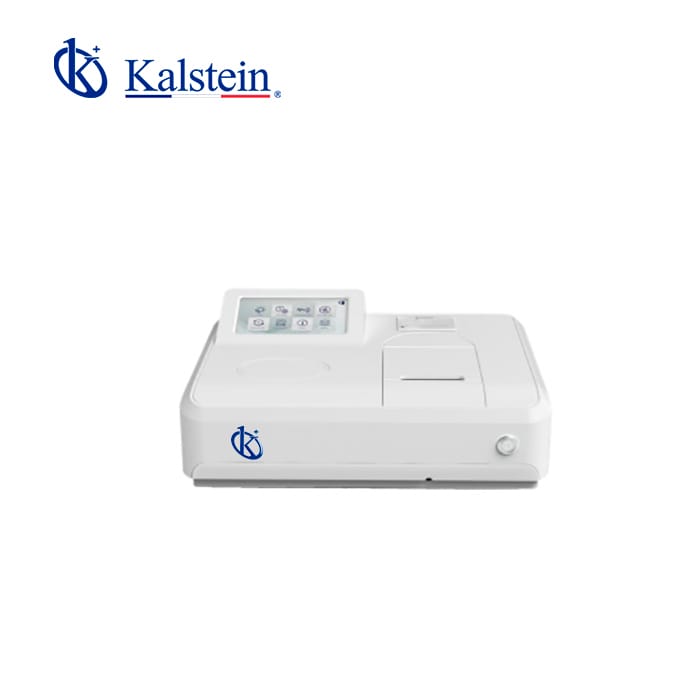
The YR06295 model is designed for precise and rapid chemical oxygen demand measurements. It features a high-resolution 7-inch touchscreen interface for easier operation. The analyzer allows automatic measurements and direct readings of concentration without blank calibration, making it user-friendly and efficient.
COD Analyzer Portable YR06296
The YR06296 is a portable version that provides accurate COD measurements with a 3-inch color screen. It supports customizable calibration curves to fit various measurement needs, ensuring flexibility in different laboratory environments. With a rechargeable lithium battery, this model is ideal for field applications.
BOD Analyzer YR06297
The YR06297 is a cutting-edge BOD analyzer that employs the internationally recognized pressure difference method without mercury. It automates the testing process across six independent channels, ensuring no interference between samples, thus providing real-time results and facilitating ease of data management.
Digestion Instrument YR06298
The YR06298 digestion instrument is engineered for modern laboratory requirements, offering precise temperature and time controls essential for digestion processes. Its ability to store five preset digestion programs enhances versatility and improves efficiency in performing multiple tests.
Comparison of Available Models
| Model | Method | Measurement Range | Precision | Best For |
|---|---|---|---|---|
| YR06295 | Rapid Digestion Spectrophotometry | 10-10000 mg/L | <5% | Laboratories requiring fast turnaround |
| YR06296 | Rapid Digestion Spectrophotometry | 10-10000 mg/L | ≤5% | Field analysis and portability |
| YR06297 | Pressure Difference Method | 0-4000 mg/L | Meets DBO5 precision standards | High-accuracy BOD testing |
| YR06298 | Digestion | N/A | ±1℃ | Precise digestion processes |
Common Mistakes and How to Avoid Them
Many laboratories overlook the importance of regular maintenance and calibration schedules. Failure to adhere to these practices can lead to inaccurate results, compliance issues, and unnecessary equipment failures. Here are common mistakes and tips for avoidance:
- Infrequent Calibration: Ensure that all analyzers are calibrated at recommended intervals, such as every 30 days for the YR06295.
- Neglecting Predictive Maintenance: Implement a monitoring system to track analyzer performance metrics and schedule maintenance proactively.
- Ignoring Environmental Factors: Maintain ideal working conditions (temperature, humidity) to prevent instrument malfunctions.
Frequently Asked Questions
How often should I calibrate my COD/BOD analyzer for optimal results?
Calibration should be conducted every 30 days for devices like the YR06295 to ensure optimal accuracy. Regular checks prevent drift in measurement and maintain compliance with standards.
What are the key benefits of using predictive maintenance for COD/BOD analyzers?
Predictive maintenance minimizes downtime and reduces unplanned repairs. By monitoring operational metrics of models like the YR06297, laboratories can enhance reliability and extend the life of the equipment.
Which features should I look for in a portable COD/BOD analyzer?
Look for features like a color display for readability, rechargeable batteries for field work, and customizable calibration curves, as seen in the YR06296 model, which offers versatility in various testing scenarios.
How does automation affect the maintenance of BOD analyzers?
Automation reduces the need for constant supervision during tests, as demonstrated by the YR06297, which handles six samples simultaneously. This efficiency allows laboratories to focus resources on maintenance and calibration routines.
What calibration standards should I follow for COD/BOD testing?
Follow international calibration standards to ensure accuracy. The YR06295 model meets recognized guidelines that guarantee reliable results for chemical oxygen demand assessments.
How can I integrate predictive maintenance into my laboratory practices?
To integrate predictive maintenance, establish a monitoring system that tracks performance metrics. Using devices like the YR06298 can make it easier to schedule necessary maintenance without disrupting testing workflows.
What is the typical lifespan of a COD/BOD analyzer with regular maintenance?
With regular maintenance and calibration, COD/BOD analyzers like the YR06295 can remain operational for several years, ensuring quality results throughout their lifecycle.
How does temperature control impact the accuracy of COD/BOD analyzers?
Temperature control is crucial for accurate measurements. Instruments like the YR06298 maintain temperature stability, ensuring that reactions occur under optimal conditions for reliable data.
If you are looking for a fusion of innovation and quality, you have come to the right place. At Kalstein, we offer you the luxury of exploring our exclusive catalog of laboratory equipment. We manufacture every device to the highest standards of excellence. Our intuitive and seamless online purchasing channels are designed for your convenience, securing the most competitive prices. Hesitate no longer — we bring science to life, it is time to become part of our community.