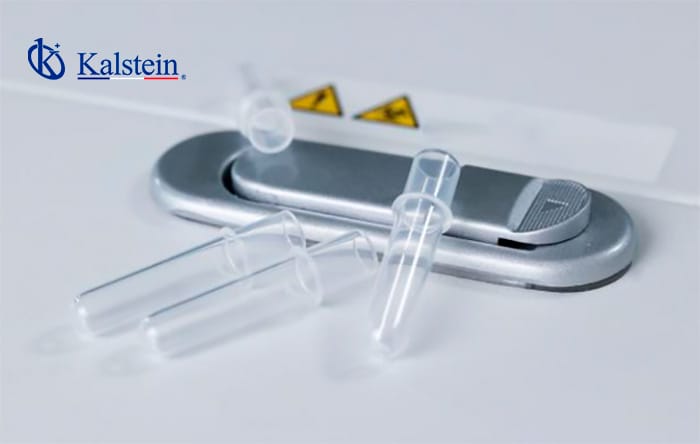
How to Ensure Predictive Maintenance and Calibration for Chemiluminescence Consumables
Predictive maintenance and periodic calibration are essential strategies for managing the efficiency and reliability of laboratory equipment and consumables. This is particularly true for chemiluminescence consumables, which play a critical role in diagnostic accuracy. With the right maintenance protocols in place, laboratories can significantly enhance operational efficiency and minimize downtime, leading to better patient outcomes.
Understanding Predictive Maintenance in Chemiluminescence
Predictive maintenance involves monitoring equipment and consumables to predict failures before they occur. By using analytics and real-time data, laboratories can identify when maintenance should be performed, reducing the chances of unexpected breakdowns. In chemiluminescence systems, where precision is paramount, maintaining optimal performance ensures reliable results in diagnostic testing.
Importance of Periodic Calibration
Calibration is the process of adjusting the precision of measurement instruments to ensure accuracy. For chemiluminescence consumables, regular calibration ensures that the readings are both accurate and repeatable. This is crucial, as even minor deviations can lead to significant errors in diagnostic results. Adhering to a strict calibration schedule aligns with ISO/IEC standards, thereby enhancing laboratory credibility.
Models of Chemiluminescence Consumables
Different models of chemiluminescence consumables offer varying features tailored for specific applications. Each model demands a unique approach to maintenance and calibration:
| Model | Description | Best For |
|---|---|---|
| YRA400 | Reaction Cuvette for CLIA and IVD analyzers | Routine diagnostic tests |
| YRA401 | System Washing Solution for clinical immunoassay analyzers | Maintaining reagent separation |
| YRA402 | Substrate for detecting alkaline phosphatase | Quantitative assays in clinical settings |
| YRA404 | POCT Consumables Strips for early pregnancy testing | Point of care diagnostics |
Comparison of Available Models
| Model | Calibration Frequency | Maintenance Requirements | Best Applications |
|---|---|---|---|
| YRA400 | Monthly | Routine inspection | General diagnostic use |
| YRA401 | Bi-weekly | Ensure reagent clarity | Immunoassay systems |
| YRA402 | Quarterly | Storage monitoring | Quantitative clinical assays |
| YRA404 | Monthly | Visual inspection | Point of care testing |
Common Mistakes and How to Avoid Them
One common mistake in laboratories is neglecting the maintenance schedule, leading to unexpected failures. Additionally, laboratories sometimes fail to document the calibration process, which can lead to compliance issues. To mitigate these risks, laboratories should implement a strict checklist and ensure all personnel are trained on the importance of maintenance and calibration.
Factors to Consider for Predictive Maintenance
Factors such as equipment age, usage frequency, and previous maintenance history should be considered when planning predictive maintenance. For example, the YRA401 System Washing Solution should undergo bi-weekly maintenance checks due to its importance in maintaining assay accuracy. Implementing sensors and monitoring tools can further enhance these efforts.
Implementing a Calibration Plan
Developing a calibration plan involves specifying the intervals at which each consumable should be calibrated based on usage data. For instance, the substrate YRA402 requires quarterly checks to ensure it meets performance standards. This proactive approach reduces waste and ensures that the consumables are always performing at their best.
Utilizing Technology for Monitoring
Modern laboratories can leverage technology for monitoring equipment health. Implementing software solutions that track usage patterns and notify staff of upcoming maintenance can enhance the predictive maintenance strategy. This technology ensures that consumables such as YRA400 are always ready for use, maximizing laboratory uptime.
Frequently Asked Questions
How can predictive maintenance improve the reliability of chemiluminescence consumables?
Predictive maintenance ensures that consumables like the YRA400 Reaction Cuvette are regularly monitored and maintained, reducing unexpected failures and enhancing reliability. This proactive approach leads to improved test accuracy and consistency in results.
What are the recommended calibration frequencies for chemiluminescence consumables?
Calibration frequencies vary among models; for instance, the YRA401 System Washing Solution should be checked bi-weekly, while the substrate YRA402 requires quarterly calibration to ensure reliable performance in clinical diagnostics.
Why is documentation important in the calibration process?
Documentation is vital for compliance with standards such as ISO 17025. By maintaining meticulous records of calibration and maintenance for products like YRA404, laboratories can validate their operational processes and ensure reliability in testing.
What challenges might arise in predictive maintenance for chemiluminescence systems?
Challenges may include inadequate training for staff or lack of proper monitoring tools. For effective predictive maintenance, labs must invest in training and appropriate technologies to oversee consumables like the YRA402 substrate.
How does the choice of consumables impact maintenance strategies?
The choice of consumables, such as the YRA400 Reaction Cuvette, directly impacts maintenance strategies. Different products demand varying levels of attention and frequency of checks, leading to tailored maintenance plans that enhance overall lab efficiency.
What role do manufacturer guidelines play in calibration of consumables?
Manufacturer guidelines provide crucial specifications for calibration protocols and schedules. Following the guidelines for consumables like the YRA401 ensures that laboratories maintain compliance and optimal performance in testing environments.
How can technology aid in the predictive maintenance of consumables?
Technology can provide analytical insights and monitoring capabilities, facilitating timely maintenance alerts for consumables such as the YRA404. This helps laboratories maintain operational efficiency and reduce downtime.
What is the cost-benefit analysis of implementing predictive maintenance for chemiluminescence consumables?
Implementing predictive maintenance can significantly lower costs associated with unexpected repairs and downtime. For instance, regularly maintaining the YRA400 can result in savings by prolonging its usable life and ensuring consistent test results.
If you are looking for a fusion of innovation and quality, you have come to the right place. At Kalstein, we offer you the luxury of exploring our exclusive catalog of laboratory equipment. We manufacture every device to the highest standards of excellence. Our intuitive and seamless online purchasing channels are designed for your convenience, securing the most competitive prices. Hesitate no longer — we bring science to life, it is time to become part of our community.