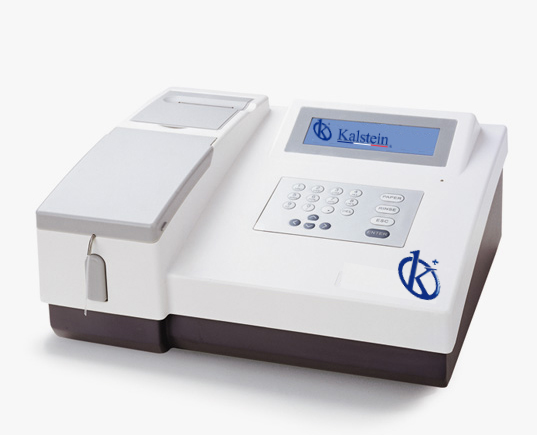
Predictive Maintenance and Recommended Calibration for Chemical Analyzers
In laboratory environments, maintaining the accuracy and reliability of chemical analyzers is crucial for achieving consistent results. Regular calibration and predictive maintenance practices not only ensure compliance with industry standards but also enhance the longevity and performance of the equipment. This article will delve into the importance of these practices specifically for the family of chemical analyzers, discussing various models and their features that cater to these needs.
Understanding Predictive Maintenance and Calibration
Predictive maintenance is a proactive approach that uses data-driven insights to predict when equipment may fail or require maintenance. By analyzing historical data, laboratories can schedule maintenance activities before issues arise, reducing downtime and operational costs.
Calibration, on the other hand, involves adjusting the analyzer to ensure its output aligns accurately with established standards. Regular calibration is necessary for compliance with regulations such as ISO 17025. Together, these practices form a comprehensive strategy for ensuring chemical analyzers operate at peak efficiency.
Importance of Predictive Maintenance in Chemical Analyzers
Implementing predictive maintenance strategies for chemical analyzers can significantly improve laboratory efficiency. By reducing unexpected failures, labs can maintain continuous operations, thus enhancing throughput and productivity. Furthermore, predictive maintenance allows for better resource allocation, enabling labs to optimize their workflow effectively.
For example, the Semi-automatic Chemistry Analyzer YR05115, with its real-time curve visualization and memory for 10,000 sample results, is well-suited for facilities prioritizing predictive maintenance. Regularly scheduled maintenance based on usage data can help in preventing breakdowns and extend the device's lifespan.
Recommended Calibration Intervals
Calibration intervals for chemical analyzers typically depend on usage frequency, environmental factors, and specific laboratory protocols. A common recommendation is to perform calibrations at least once a month or before any critical testing procedures. However, high-throughput environments may require more frequent checks.
The Automatic Chemistry Analyzer YR06075, which can perform up to 560 tests per hour, demands a rigorous calibration schedule to ensure accuracy and reliability under high workload conditions. Maintaining a calibration log will also help to track compliance with ISO standards.
Maintaining Traceability in Calibration
Traceability is essential in laboratory settings, as it ensures that testing results can be traced back to recognized standards. This is particularly important for compliance with regulations such as ISO 17025. Laboratories should employ calibration procedures that involve standards from recognized institutions.
For instance, the Portable Chemical Analyzer YR06092's compatibility with various assay standards makes it an excellent choice for labs looking to maintain high levels of traceability in their calibration processes.
Common Calibration Errors and How to Avoid Them
Calibration errors can arise from several factors, including improper technique, equipment malfunction, or using inappropriate standards. To avoid these issues, laboratories should ensure that personnel are adequately trained in calibration procedures and that all equipment is regularly serviced.
The Semi-Automatic Chemistry Analyzer YR06078 features a user-friendly interface with clear instructions that can mitigate operator errors during calibration. Additionally, establishing a protocol for double-checking calibration results can enhance overall accuracy.
Comparative Analysis of Chemical Analyzers
When selecting a chemical analyzer, it is essential to consider its capabilities concerning predictive maintenance and calibration needs. Below is a comparison of key models:
| Model | Calibration Frequency (recommended) | Predictive Maintenance Features | Best For |
|---|---|---|---|
| YR05115 | Monthly | Real-time curve visualization, memory for 10,000 results | Small to medium labs |
| YR06075 | Weekly | High throughput, automated washing system | High-demand environments |
| YR06092 | Monthly | Compact design for portable use | Field testing |
| YR06078 | Monthly | Extensive wavelength options, touchscreen interface | Versatile laboratory applications |
Common Mistakes and How to Avoid Them
Laboratories often encounter several pitfalls when it comes to maintaining chemical analyzers. One of the most common mistakes is neglecting regular maintenance schedules due to busy work environments. This can lead to equipment failures and compromised test results.
To avoid such issues, labs should establish clear maintenance protocols. For example, using the YR05114’s built-in memory for tracking test results can also be utilized to schedule regular maintenance checks, ensuring that the equipment stays in optimal condition.
Frequently Asked Questions
What are the recommended calibration practices for chemical analyzers in 2023?
The recommended calibration practices for chemical analyzers include performing calibrations at least monthly, particularly for high-usage devices like the YR06075, which operates up to 560 tests per hour, ensuring compliance with standards like ISO 17025.
How can predictive maintenance reduce costs for chemical analyzers?
Predictive maintenance helps reduce costs by minimizing unexpected breakdowns, which can lead to costly repairs and downtime. For instance, the YR05115’s predictive features allow labs to anticipate maintenance needs, ultimately saving on operational costs.
What is the importance of traceability in chemical analyzer calibration?
Traceability is crucial in calibration as it ensures compliance with regulatory standards like ISO 17025. Models like the YR06092 support various standards, facilitating traceability and ensuring accurate results.
How often should I perform preventive maintenance on my chemical analyzers?
Preventive maintenance should generally be conducted monthly, especially for high-throughput analyzers like the YR06075. Regular checks help maintain accuracy and extend equipment lifespan.
What are common calibration mistakes to avoid in chemical analysis?
Common mistakes include neglecting regular maintenance and improper calibration techniques. Utilizing models like the YR06078 can help reduce errors due to their user-friendly interfaces and built-in calibration logs.
How do predictive maintenance technologies improve laboratory efficiency?
Predictive maintenance technologies improve efficiency by reducing unexpected equipment failures, thus enhancing workflow. The YR05116’s comprehensive monitoring capabilities are designed to facilitate this approach effectively.
What features should I look for in a chemical analyzer for predictive maintenance?
Look for features like real-time monitoring, extensive memory for test results, and automated alerts for maintenance needs. The YR06078 includes a touchscreen interface for easy programming and monitoring.
How can I maintain compliance with calibration standards in my laboratory?
To maintain compliance, establish and document a regular calibration schedule, utilize recognized standards for calibration, and ensure all personnel are trained in proper calibration procedures, especially when using models like the YR05114.
If you are looking for a fusion of innovation and quality, you have come to the right place. At Kalstein, we offer you the luxury of exploring our exclusive catalog of laboratory equipment. We manufacture every device to the highest standards of excellence. Our intuitive and seamless online purchasing channels are designed for your convenience, securing the most competitive prices. Hesitate no longer — we bring science to life, it is time to become part of our community.