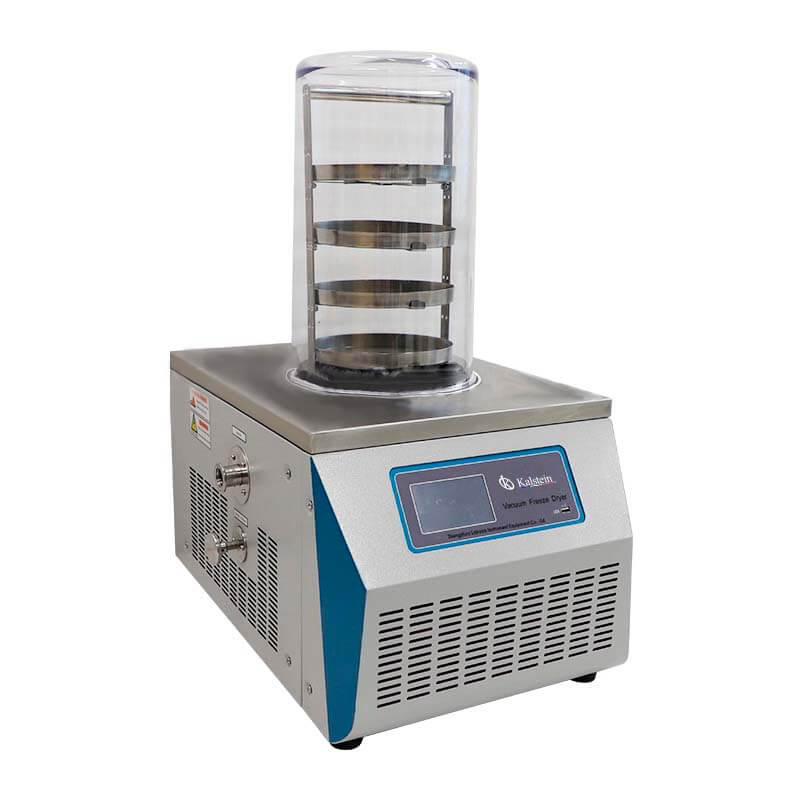
How Predictive Maintenance and Regular Calibration Enhance Benchtop Laboratory Freeze Dryers
Benchtop laboratory freeze dryers play a critical role in various fields including pharmaceuticals, food processing, and biological research. The efficacy of these devices can be significantly enhanced through predictive maintenance and regular calibration. This article will explore the benefits of these practices, the importance of specific models, and how these strategies can optimize laboratory workflows.
Understanding Predictive Maintenance in Freeze Dryers
Predictive maintenance involves a systematic approach to ensure that freeze dryers function optimally, preventing unexpected breakdowns. It utilizes data-driven techniques to monitor the condition of equipment and forecasts potential failures. This proactive approach not only reduces downtime but also extends the lifespan of equipment. For laboratory freeze dryers, implementing predictive maintenance can lead to consistent product quality and compliance with industry standards.
Regular Calibration: Ensuring Accurate Performance
Regular calibration is essential for maintaining the accuracy and reliability of benchtop laboratory freeze dryers. Calibration involves adjusting the equipment to meet specified performance standards, ensuring that the vacuum and temperature settings are precise. This is crucial in applications where product integrity is paramount. By adhering to calibration schedules, laboratories can guarantee compliance with regulatory requirements and enhance operational efficiency.
Models Comparison: Predictive Maintenance and Calibration Features
| Model | Vacuum Level | Temperature Range | Calibration Features | Best Applications |
|---|---|---|---|---|
| YR05186 | < 10 Pa | -55 ℃ (-80 ℃ optional) | Automated calibration alerts | Pharmaceuticals, food preservation |
| YR05187 | < 10 Pa | -55 ℃ (-80 ℃ optional) | Manual calibration verification | Biological research |
| YR05188 | < 10 Pa | -55 ℃ (-80 ℃ optional) | Remote monitoring capability | Industrial applications |
| YR05189 | < 10 Pa | -55 ℃ (-80 ℃ optional) | Regular maintenance notifications | Research labs |
| YR05189-1 | < 10 Pa | -55 ℃ (-80 ℃ optional) | Enhanced calibration tracking | Food science |
Common Mistakes and How to Avoid Them
Laboratories often encounter mistakes related to predictive maintenance and calibration of freeze dryers. Common issues include neglecting scheduled maintenance and calibration checks, leading to equipment failure and compromised sample integrity. To mitigate these risks, laboratories should establish a detailed maintenance schedule, employ digital tools for reminders, and ensure all staff are trained on the importance of these practices. Regular audits and reviews can further enhance the reliability of freeze dryer operations.
Benefits of Predictive Maintenance in Lab Freeze Dryers
Implementing predictive maintenance can yield significant benefits for laboratory freeze dryers, including reduced operational costs, improved equipment reliability, and enhanced product quality. For instance, routine predictive checks on models like YR05186 and YR05188 can identify minor issues before they escalate into costly repairs. This approach can enhance the laboratory's overall productivity and work efficiency, ensuring that critical processes remain uninterrupted.
Calibration Intervals: Best Practices for Freeze Dryers
Calibration intervals are crucial for ensuring that freeze dryers operate within specified tolerances. It is generally recommended to calibrate equipment like the YR05187 every 6 to 12 months, depending on usage intensity. However, more frequent checks may be warranted for high-demand settings. Establishing a robust calibration schedule helps maintain compliance with industry standards and can prevent product loss due to inaccurate readings.
Key Performance Indicators (KPIs) for Predictive Maintenance
When integrating predictive maintenance, it's essential to track KPIs such as Mean Time Between Failures (MTBF) and Mean Time to Repair (MTTR). For instance, a well-maintained YR05189 model may show an MTBF of over 2000 hours, significantly reducing downtime. Laboratories should also monitor operational costs related to maintenance to ensure that predictive strategies are yielding desired financial results.
Frequently Asked Questions
How does predictive maintenance affect the performance of benchtop freeze dryers?
Predictive maintenance enhances the performance of benchtop freeze dryers by reducing unexpected breakdowns and ensuring equipment runs efficiently. For instance, a YR05186 model can be monitored for operational data to preemptively address any issues, maintaining reliable performance and quality output.
What calibration standards apply to laboratory freeze dryers in 2023?
Laboratory freeze dryers must adhere to calibration standards such as ISO 17025, which ensures consistent and accurate performance. Regular calibration of models like YR05187 is crucial to comply with these standards and maintain quality assurance in laboratory processes.
Which models feature automated calibration alerts?
The YR05186 model is designed with automated calibration alerts, helping laboratories ensure timely calibration and maintenance. This feature aids in maintaining operational efficiency and compliance with regulatory standards in laboratory practices.
What are the common challenges in implementing predictive maintenance for freeze dryers?
Common challenges include a lack of training for staff and inadequate tracking of maintenance schedules. For example, failing to maintain the YR05188 model can lead to operational disruptions. Establishing clear protocols and training can mitigate these issues significantly.
How frequently should benchtop freeze dryers be calibrated?
Benchtop freeze dryers like the YR05189 should typically be calibrated every 6 to 12 months, depending on usage. More frequent calibration is recommended for high-demand applications to ensure accuracy and compliance with industry standards.
What indicators signal the need for maintenance in freeze dryers?
Indicators such as fluctuating temperature readings and decreasing vacuum efficiency in models like YR05189-1 signal the need for maintenance. Identifying these signs early can prevent major failures and extend the equipment's lifespan.
What are the advantages of using the YR05186 model for pharmaceutical applications?
The YR05186 model offers excellent vacuum capabilities and a wide temperature range, making it ideal for pharmaceutical applications. Its predictive maintenance features ensure consistent performance, crucial for maintaining product integrity.
How can laboratories optimize freeze dryer performance for energy efficiency?
Laboratories can optimize freeze dryer performance by scheduling regular maintenance and calibration checks. For example, the YR05187 can be adjusted for energy efficiency by monitoring operational hours and ensuring that it operates within optimal settings.
If you are looking for a fusion of innovation and quality, you have come to the right place. At Kalstein, we offer you the luxury of exploring our exclusive catalog of laboratory equipment. We manufacture every device to the highest standards of excellence. Our intuitive and seamless online purchasing channels are designed for your convenience, securing the most competitive prices. Hesitate no longer — we bring science to life, it is time to become part of our community.