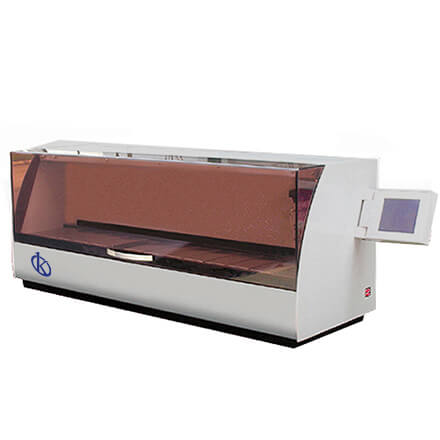
Predictive Maintenance and Recommended Calibration for Automatic Slide Stainers
Automatic slide stainers are essential in pathological anatomy, streamlining the staining process for tissue samples. To ensure their longevity and operational efficiency, implementing predictive maintenance and regular calibration is vital. This article delves into the significance of predictive maintenance and calibration schedules tailored for automatic slide stainers, providing insights into how they can enhance laboratory productivity and reliability.
Understanding Predictive Maintenance
Predictive maintenance employs data-driven methods to predict equipment failures before they occur. This proactive approach minimizes downtime and repair costs. In the context of automatic slide stainers, predictive maintenance involves monitoring performance metrics and establishing thresholds for alerts.
For instance, models like YR435 and YR436-1 can benefit from predictive analytics through their operational data, helping to identify issues such as abnormal staining patterns or machine responsiveness. By scheduling maintenance based on actual machine performance rather than time intervals, laboratories can optimize both resource allocation and equipment lifespan.
Importance of Regular Calibration
Calibration is critical in ensuring that automatic slide stainers operate within specified parameters. Regular calibration verifies that the stain application process is consistent and accurate, which is essential for high-quality results in histopathology.
Automatic slide stainers, such as the YR435-1, require periodic calibration of various components, including temperature control and staining time. A well-structured calibration schedule will ensure compliance with laboratory standards and enhance reproducibility in results.
Recommended Calibration Intervals for Automatic Slide Stainers
| Model | Calibration Interval (Months) | Component |
|---|---|---|
| YR435 | 6 | Temperature Control |
| YR435-1 | 3 | Staining Time Accuracy |
| YR436-1 | 6 | Reagent Volume Calibration |
Establishing a calibration timetable such as this helps maintain the integrity of the staining process and ensures compliance with quality assurance standards.
Predictive Maintenance Strategies for Slide Stainers
Implementing predictive maintenance for automatic slide stainers involves several strategies such as condition monitoring, data analysis, and routine inspections. Continuous monitoring can utilize sensors to track parameters like fluid flow, reagent consumption, and temperature variances.
For example, the YR436-1 features advanced control systems that can be leveraged for data collection. By analyzing this data, technicians can identify potential failures and schedule maintenance accordingly, rather than relying on reactive measures.
Common Calibration Challenges and Solutions
Challenges in calibrating automatic slide stainers include discrepancies in staining results and time delays in processing. To mitigate these issues, following a structured calibration protocol is crucial.
Additionally, ensuring that all staff are trained in calibration techniques for models like YR435 can prevent human error and improve the reliability of the equipment. Documentation of calibration activities is also imperative for audits and compliance.
Comparison of Available Models
| Model | Key Specs | Best For |
|---|---|---|
| YR435 | 14 processing cups, 72 slides | Efficient multi-slide processing |
| YR435-1 | 400 slides/hour, 30-station capacity | High-throughput labs |
| YR436-1 | 15 tanks, compact design | Space-constrained environments |
Frequently Asked Questions
How does predictive maintenance improve the reliability of automatic slide stainers?
Predictive maintenance enhances reliability by anticipating equipment failures before they occur, allowing labs to address issues proactively. For example, if the YR435 model detects irregularities in its operation, maintenance can be scheduled to prevent downtime.
What is the optimal calibration frequency for the YR435-1 automatic slide stainer?
The YR435-1 should be calibrated every three months to ensure accurate staining and compliance with laboratory standards. Regular calibration helps maintain the quality of results produced by this model.
Why is regular calibration crucial for automatic slide stainers in histopathology?
Regular calibration is crucial because it ensures consistent performance and accuracy in staining. Automatic slide stainers like the YR436-1 must adhere to strict quality standards in pathology to avoid misdiagnosis.
What are the common mistakes in calibration of automatic slide stainers?
Common mistakes include insufficient training of staff and neglecting documentation. For instance, failing to properly calibrate the YR435-1 could lead to inconsistent staining outcomes, impacting diagnostic accuracy.
How can I establish a calibration plan for my automatic slide stainer?
A calibration plan can be established by determining the frequency of checks based on equipment usage and adhering to manufacturer guidelines. For the YR436-1, a structured schedule every six months is advisable for optimal performance.
What role does data analysis play in predictive maintenance for automatic slide stainers?
Data analysis identifies patterns and anomalies in operational metrics, enabling timely interventions. For instance, tracking the performance of the YR435 can reveal trends that indicate wear, prompting maintenance before failures occur.
Which automatic slide stainer model is best for high-throughput labs?
The YR435-1 is the best model for high-throughput labs, capable of processing 400 slides per hour, thus meeting the demands of busy laboratory environments efficiently.
Common Mistakes and How to Avoid Them
Inadequate training, irregular calibration, and neglecting performance data can lead to expensive mistakes in the use of automatic slide stainers. To avoid these pitfalls, implement a comprehensive training program for staff, establish a regular calibration schedule, and utilize data analytics for performance monitoring.
Continuous education on best practices can significantly enhance both the efficacy of the staining process and the overall reliability of the equipment.
Conclusion
In conclusion, adopting a predictive maintenance strategy and adhering to a robust calibration schedule are paramount for maximizing the performance of automatic slide stainers in laboratories. Utilizing models such as YR435, YR435-1, and YR436-1 allows for improved staining results and operational efficiency.
Integrating these practices ensures compliance with industry standards, enhances productivity, and ultimately supports better diagnostic outcomes.
If you are looking for a fusion of innovation and quality, you have come to the right place. At Kalstein, we offer you the luxury of exploring our exclusive catalog of laboratory equipment. We manufacture every device to the highest standards of excellence. Our intuitive and seamless online purchasing channels are designed for your convenience, securing the most competitive prices. Hesitate no longer — we bring science to life, it is time to become part of our community.