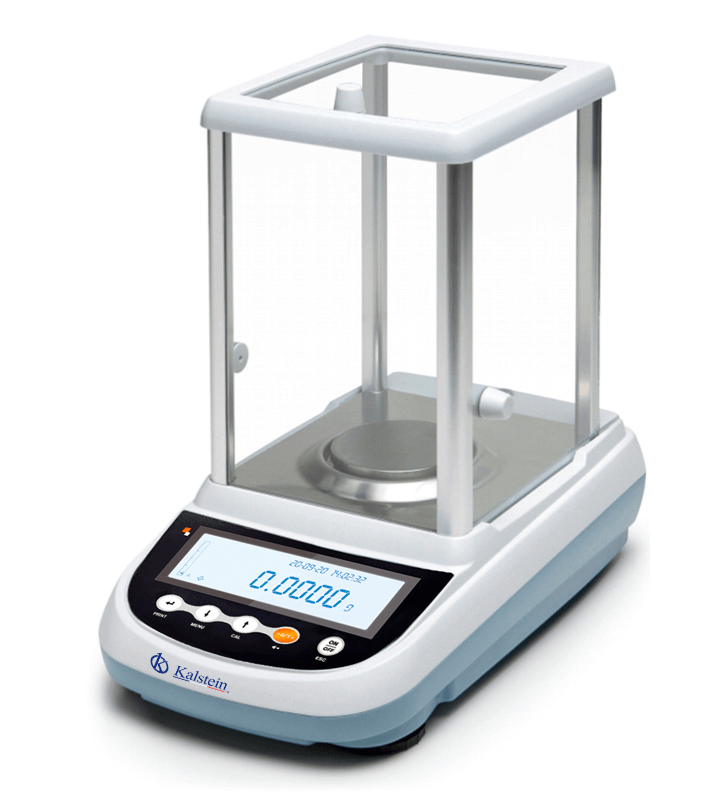
Understanding Predictive Maintenance and Scheduled Calibration for Analytical Balances
Analytical balances are essential tools in modern laboratories, providing precise measurements crucial for research, quality control, and production processes. With advancements in technology, the importance of maintenance and calibration has evolved into a critical area of focus. This article delves into predictive maintenance and scheduled calibration, examining their roles in enhancing the accuracy and reliability of analytical balances, while detailing specific models and their applications.
Importance of Predictive Maintenance in Analytical Balances
Predictive maintenance involves monitoring the condition of analytical balances to determine when maintenance should be performed. This strategy aims to prevent unexpected failures and ensure optimal performance. By analyzing the operational data of balances like the YR05568 and YR05572, laboratories can identify patterns and anomalies that indicate when a balance might require servicing.
Implementing predictive maintenance can lead to improved measurement accuracy, reduced downtime, and extended equipment life. This not only saves costs related to repairs and replacements but also enhances the reliability of laboratory results. Various analytical balances incorporate built-in diagnostic features that aid in this process, including automatic calibration reminders based on usage.
Recommended Calibration Intervals for Optimal Performance
Calibration is a vital process that ensures analytical balances provide accurate measurements. For most laboratory applications, regular calibration is recommended—typically every six months to a year, depending on usage frequency and environmental conditions. However, balances that frequently operate under varying temperatures or conditions may require more frequent calibration.
Analytical balances like the YR05569 and YR05571 have internal calibration functions that can automatically adjust based on environmental changes. Establishing a calibration schedule based on these recommendations ensures that balances consistently perform at their best, maintaining compliance with standards such as ISO/IEC 17025.
Comparison of Available Models
| Model | Calibration Type | Capacity (g) | Resolution (g) | Price (USD) |
|---|---|---|---|---|
| YR05568 | Internal/External | 220 | 0.1 mg | 790.00 |
| YR05569 | Internal/External | 310 | 0.1 mg | 825.00 |
| YR05570 | Internal/External | 410 | 0.1 mg | 1080.00 |
| YR05571 | Internal/External | 510 | 0.1 mg | 1125.00 |
| YR05572 | Internal/External | 610 | 0.1 mg | 1240.00 |
| YR05573 | Internal | 100 | 0.0001 g | 325.00 |
Understanding the Calibration Process
Calibration of analytical balances is typically conducted using certified calibration weights that have known mass values. The balance measures these weights multiple times to determine its accuracy. Balances like the YR05570 include features that allow for easy access to calibration protocols, facilitating the process and ensuring compliance with regulatory standards.
It's crucial to document calibration results meticulously. Records should include dates, results, and any corrective actions taken if discrepancies are found. This documentation not only supports compliance with ISO/IEC 17025 but also contributes to maintaining traceability in measurements.
Common Mistakes and How to Avoid Them
One common mistake laboratories make is neglecting the environmental conditions where analytical balances are located. Factors such as humidity, temperature fluctuations, and vibrations can all significantly affect balance performance. Ensuring that the balance is placed in a controlled environment can help mitigate these issues.
Another mistake is ignoring the manufacturer's recommendations regarding maintenance and calibration schedules. For instance, failing to perform regular calibrations on models like the YR05568 may lead to measurement inaccuracies over time. Setting reminders and adhering to a strict maintenance protocol can prevent these errors.
Best Practices for Predictive Maintenance and Calibration
To optimize the performance of analytical balances, laboratories should adopt best practices that incorporate predictive maintenance and scheduled calibrations. This includes creating maintenance logs, which help track the performance metrics of each balance over time. Additionally, utilizing software solutions that analyze data from balances can provide insights into when maintenance is needed.
Routine checks and maintenance should also include cleaning and inspection for wear and tear. Balances such as the YR05571 are designed for easy cleaning, which can enhance measurement accuracy. Implementing these practices can significantly reduce the risk of unexpected malfunctions.
Frequently Asked Questions
How often should analytical balances be calibrated for accurate measurements?
Generally, analytical balances should be calibrated every 6 to 12 months. However, models like the YR05570 may require more frequent calibration when used in varying environmental conditions to ensure accurate measurements.
What are the benefits of predictive maintenance for analytical balances?
Predictive maintenance helps identify potential issues before they lead to failures, ensuring accurate readings and reducing downtime. For instance, regular monitoring of the YR05572 can help maintain optimal performance and reliability in laboratory settings.
Which ISO standards are relevant for the calibration of analytical balances?
ISO/IEC 17025 is a key standard covering the calibration of analytical balances. Compliance ensures that laboratories, like those using the YR05569, meet international quality and competence criteria for testing and calibration.
How can environmental factors affect analytical balance performance?
Environmental factors such as temperature, humidity, and vibrations can greatly impact the performance of analytical balances. For example, the YR05568 is sensitive to these changes, which is why maintaining a controlled environment is critical for accurate results.
What documentation is necessary for maintaining analytical balances?
Documentation should include calibration records, maintenance logs, and any corrections made. This is essential for compliance with standards such as ISO/IEC 17025, especially for models like the YR05571, which demand rigorous adherence to protocols.
Why is internal calibration important for analytical balances?
Internal calibration ensures that the balance compensates for changes in environmental conditions automatically. This is especially useful in models like the YR05572, which can adjust without manual intervention, ensuring accurate measurements consistently.
How does predictive maintenance extend the life of analytical balances?
By identifying potential issues before they escalate, predictive maintenance helps avoid costly repairs and prolongs the life of balances such as the YR05570. This proactive approach leads to greater reliability and accuracy in laboratory measurements.
What specific features should I look for in an analytical balance for predictive maintenance?
Look for features such as built-in diagnostics, automatic calibration, and performance tracking capabilities. Models like the YR05573 offer comprehensive features that enhance predictive maintenance, ensuring sustained accuracy and reliability.
If you are looking for a fusion of innovation and quality, you have come to the right place. At Kalstein, we offer you the luxury of exploring our exclusive catalog of laboratory equipment. We manufacture every device to the highest standards of excellence. Our intuitive and seamless online purchasing channels are designed for your convenience, securing the most competitive prices. Hesitate no longer — we bring science to life, it is time to become part of our community.