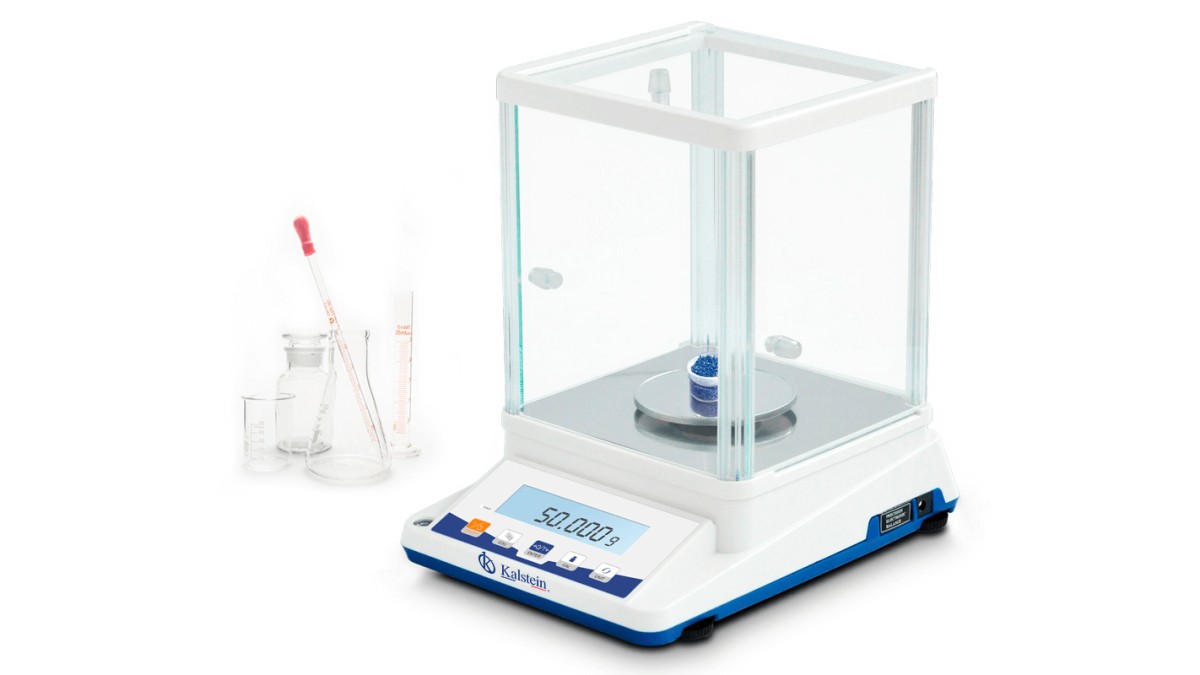
Precision Balance: Best Techniques and Protocols in 2026
The precision balance is an essential tool in various laboratory settings, providing accurate measurements for research, quality control, and various scientific applications. In this article, we will delve into the best techniques, protocols, and practical applications for precision balances in 2026.
What is it used for in 2026
In 2026, precision balances are primarily used for accurate weighing of small quantities of samples in laboratories. They are crucial in fields such as pharmaceuticals, chemistry, food science, and environmental studies. The ability to measure with high sensitivity enables researchers to conduct experiments with precise quantities, improving the accuracy of their results.
History and evolution of the technology
Precision balances have evolved significantly from mechanical balances to highly sophisticated electronic models. The introduction of digital displays and automatic calibration has made these balances easier to use and more reliable. Over the past few decades, improvements in sensor technology and materials have also enhanced the accuracy and durability of precision balances.
How to use it step by step
- Preparation: Ensure the balance is placed on a stable, vibration-free surface and is calibrated.
- Turn on the balance: Allow it to warm up as per the manufacturer's guidelines.
- Taring: Place an empty container on the balance and tare it to zero.
- Weighing: Gradually add the sample until the desired weight is reached. Avoid sudden movements to obtain stable readings.
- Recording data: Document the weight displayed on the screen, ensuring you record any additional information needed for your experiment.
- Cleaning: After use, clean the balance and surrounding area to maintain cleanliness and accuracy.
Best techniques and protocols
To ensure accuracy and reliability when using precision balances, adhere to the following best techniques and protocols:
- Calibrate the balance regularly according to the manufacturer's recommendations.
- Use draft shields to minimize the effects of air currents.
- Avoid placing heavy items suddenly on the balance.
- Allow the balance to stabilize before reading the measurement.
- Always use the balance at room temperature and avoid direct sunlight.
Practical applications by laboratory type
Different types of laboratories utilize precision balances for various applications:
- Pharmaceutical laboratories: Weighing active ingredients for drug formulation.
- Chemical laboratories: Measuring reagents for chemical reactions.
- Food laboratories: Weighing ingredients for quality control and recipe formulations.
- Environmental laboratories: Measuring soil and water samples for analysis.
Regulations, standards and certifications
Precision balances must meet specific regulations and standards to ensure their accuracy and reliability. Familiarize yourself with ISO standards, FDA regulations, and other relevant certifications applicable to your laboratory's field.
Comparison with alternative technologies
While precision balances are highly accurate, alternatives such as analytical balances and load cells are also used in laboratories. Analytical balances offer higher sensitivity for micro-scale weighing, while load cells are often utilized in industrial applications where high stability is required.
Comparison of available models
| Model | Best for | Key specs | Recommended use case |
|---|---|---|---|
| YR05584 | Small sample weighing | Capacity: 110g, Readability: 0.001g | Laboratory experiments requiring high precision |
| YR05585 | General laboratory use | Capacity: 210g, Readability: 0.001g | Routine measurements in research labs |
| YR05586 | Versatile applications | Capacity: 310g, Readability: 0.001g | Complex experiments in academic research |
| YR05587 | Heavy sample weighing | Capacity: 610g, Readability: 0.001g | Industrial applications requiring higher capacity |
| YR05588 | General purpose | Capacity: 210g, Readability: 0.01g | Everyday weighing tasks in various laboratories |
| YR05589 | Basic weighing tasks | Capacity: 310g, Readability: 0.01g | Simple weighing needs in educational settings |
Common mistakes and how to avoid them
Common mistakes when using precision balances include:
- Failing to calibrate the balance regularly.
- Not using a draft shield, leading to inaccurate measurements.
- Rushing the weighing process, resulting in unstable readings.
- Ignoring environmental factors such as temperature and humidity.
To avoid these errors, make calibration a routine practice, always use protective shields, take your time when weighing, and monitor your laboratory's environmental conditions.
Maintenance, calibration and good practices 2026
Maintaining precision balances involves regular cleaning, calibration, and inspections. Follow these practices:
- Clean the balance surface with a soft cloth regularly.
- Calibrate the balance at least once a month or before critical measurements.
- Keep the balance covered when not in use to prevent dust accumulation.
- Check for any signs of wear or damage regularly.
Cost-benefit analysis 2026
Investing in precision balances may seem costly, but their accuracy and reliability can lead to significant benefits, including:
- Improved experimental outcomes and data integrity.
- Efficiency in laboratory processes, saving time and reducing waste.
- Regulatory compliance, avoiding costly fines or research setbacks.
Ultimately, the cost of high-quality precision balances is justified by the advantages they provide in laboratory work.
Frequently asked questions
What should I consider when choosing a precision balance?
Consider factors such as capacity, readability, stability, and specific features relevant to your laboratory's needs before making a choice.
How often should I calibrate my precision balance?
It is recommended to calibrate the balance at least once a month or before critical weighing tasks to ensure accuracy.
Can I use a precision balance in a non-laboratory environment?
While precision balances can be used outside of laboratories, ensure the environment is stable and free from vibrations and air currents to maintain accuracy.
What is the importance of using a draft shield?
A draft shield minimizes the effects of air currents on measurements, helping to ensure more stable and accurate readings.
How can I maintain my precision balance?
Regularly clean the balance, calibrate it, keep it covered when not in use, and inspect for signs of wear or damage.
If you are looking for a fusion of innovation and quality, you have come to the right place. At Kalstein, we offer you the luxury of exploring our exclusive catalog of laboratory equipment. We manufacture every device to the highest standards of excellence. Our intuitive and seamless online purchasing channels are designed for your convenience, securing the most competitive prices. Hesitate no longer — we bring science to life, it is time to become part of our community.