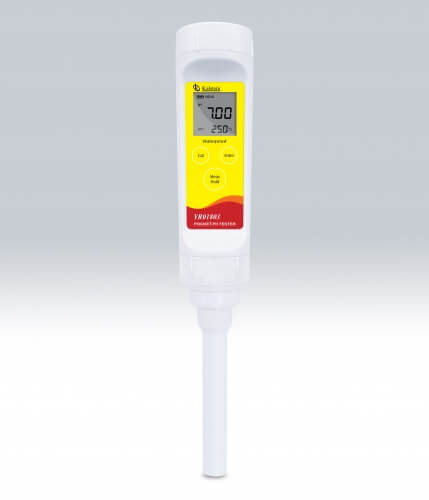
Portable pH Meters: Practical Applications and Techniques 2026
Portable pH meters are essential tools in various laboratory settings, offering precision and ease of use for pH measurement. In this comprehensive guide, we will explore their applications, history, how to use them step by step, best practices, and much more relevant information for laboratory professionals in 2026.
What is it used for in 2026
Portable pH meters are widely utilized in clinical laboratories, environmental monitoring, food and beverage industries, and educational institutions. They provide accurate measurements of pH levels in various samples, including liquids and semi-solids. The ability to take these meters on the go enhances their practicality, making them suitable for field studies and on-site testing.
History and evolution of the technology
The evolution of pH measurement began with the development of glass electrodes in the early 20th century. These electrodes revolutionized the way pH was measured, allowing for greater accuracy and ease of use. Over the years, portable pH meters have evolved from bulky devices to compact, user-friendly instruments equipped with advanced features such as automatic calibration and temperature compensation, enhancing their reliability and functionality.
How to use it step by step
Using a portable pH meter involves several straightforward steps:
- Preparation: Ensure the meter is clean and calibrated according to the manufacturer’s instructions.
- Sample Preparation: If necessary, prepare the sample to be tested by ensuring it is in a suitable container.
- Power On: Turn on the portable pH meter and allow it to warm up if required.
- Calibration: Calibrate the meter using appropriate buffer solutions, following the calibration procedure outlined in the manual.
- Measurement: Immerse the electrode in the sample, allowing the reading to stabilize. Record the pH value displayed.
- Cleanup: Rinse the electrode with distilled water after use and store it as recommended.
Best techniques and protocols
To achieve the most accurate results when using portable pH meters, follow these best techniques:
- Always calibrate the pH meter before taking measurements.
- Use fresh buffer solutions for calibration.
- Ensure the electrode is clean and in good condition before use.
- Take multiple readings to ensure consistent results.
- Document all measurements for future reference and quality control.
Practical applications by laboratory type
Portable pH meters find applications across various laboratory types:
Clinical Laboratories
In clinical settings, pH meters are used to measure the acidity of blood, urine, and other bodily fluids, which can indicate health issues.
Environmental Laboratories
Environmental monitoring relies on pH meters to assess water quality in natural water bodies, ensuring compliance with environmental regulations.
Food and Beverage Industry
Food safety is critical, and pH meters help monitor the acidity of products, which can affect preservation and quality.
Educational Institutions
Portable pH meters are commonly used in educational labs to teach students about acid-base reactions and provide hands-on experience with scientific equipment.
Regulations, standards and certifications
The use of portable pH meters in laboratories is subject to various regulations and standards, including ISO guidelines and compliance with Good Laboratory Practices (GLP). Adhering to these standards ensures the reliability and accuracy of measurements and contributes to quality assurance in laboratory operations.
Comparison with alternative technologies
While portable pH meters are widely used, there are alternative technologies for measuring pH, such as colorimetric methods and litmus paper. However, these alternatives often lack the accuracy and precision that portable pH meters provide.
Comparison of available models
| Model | Best for | Key specs | Recommended use case |
|---|---|---|---|
| YR01803 | High precision measurements in small samples | pH range: -1.00 to 15.00, accuracy: ± 0.01 pH | Use in laboratory environments needing precise pH measurements. |
| YR01804 | Outdoor applications | pH range: -1.00 to 15.00, accuracy: ± 0.01 pH | Ideal for field testing due to its manual temperature compensation. |
| YR01800 | Compact and portable use | pH range: -1.00 to 15.00, accuracy: ± 0.2 pH | Best suited for quick and easy pH measurements on the go. |
| YR01800-1 | Compact and portable use | pH range: -1.00 to 15.00, accuracy: ± 0.05 pH | Recommended for educational purposes and quick field tests. |
| YR01802 | Precision in semi-solid measurements | pH range: -1.00 to 15.00, accuracy: ± 0.01 pH | Use for pH measurements in food products and gels. |
| YR01802-1 | Precision in semi-solid measurements | pH range: -1.00 to 15.00, accuracy: ± 0.01 pH | Recommended for similar applications as YR01802 in labs and food industries. |
Common mistakes and how to avoid them
When using portable pH meters, laboratory professionals often encounter common pitfalls. Here are some mistakes to avoid:
- Skipping calibration: Always calibrate your meter before use to ensure accuracy.
- Neglecting electrode maintenance: Regularly clean and check the electrode for damage.
- Not allowing for temperature changes: Ensure temperature compensation settings are properly adjusted.
Maintenance, calibration and good practices 2026
To maintain your portable pH meter in peak condition, follow these practices:
- Regularly calibrate using fresh buffer solutions.
- Store the electrode in a suitable solution to prevent drying out.
- Clean the electrode after each use to avoid contamination.
Cost-benefit analysis 2026
When considering the cost of portable pH meters, it is essential to evaluate the benefits they provide. The precision, versatility, and convenience of these meters justify their investment, particularly in environments where accurate pH measurement is critical to product quality and safety.
Frequently asked questions
How do I choose the right portable pH meter for my laboratory?
Consider the application requirements, accuracy needed, and specific features like manual or automatic temperature compensation when selecting a portable pH meter.
Can portable pH meters be used for semi-solid samples?
Yes, certain models specifically designed for semi-solid samples, such as the YR01802 and YR01802-1, are ideal for measuring pH in such materials.
What is the importance of calibrating a portable pH meter?
Calibration is crucial for ensuring accurate measurements, as it corrects any deviations and accounts for variations in buffer solutions.
How often should I perform maintenance on my pH meter?
Regular maintenance is recommended after each use, including cleaning and checking electrode functionality, along with periodic calibration checks.
What type of buffer solutions should I use for calibration?
Use fresh, certified buffer solutions that are close to the expected pH range of your samples for accurate calibration.
Are portable pH meters suitable for outdoor use?
Yes, models like the YR01804 are designed for outdoor applications, making them suitable for field testing.
How do I ensure the longevity of my portable pH meter?
Proper maintenance, regular cleaning of the electrode, and ensuring it is stored correctly will contribute to the longevity of your portable pH meter.
If you are looking for a fusion of innovation and quality, you have come to the right place. At Kalstein, we offer you the luxury of exploring our exclusive catalog of laboratory equipment. We manufacture every device to the highest standards of excellence. Our intuitive and seamless online purchasing channels are designed for your convenience, securing the most competitive prices. Hesitate no longer — we bring science to life, it is time to become part of our community.