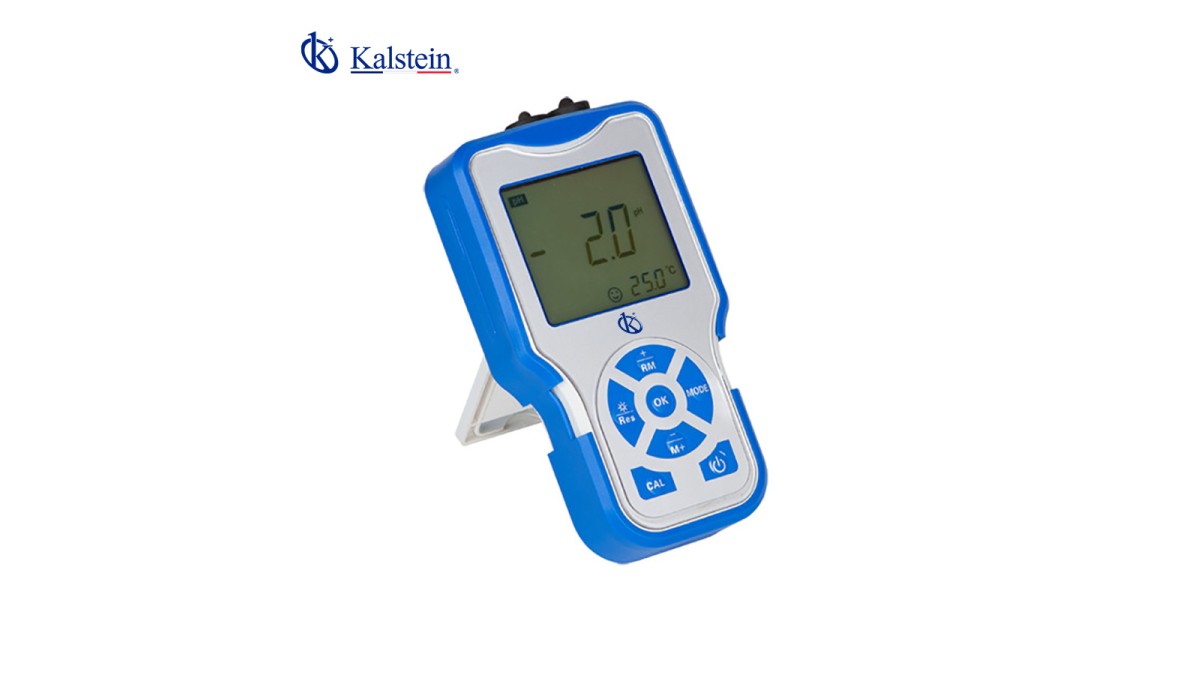
Portable Ion Meters: A Practical Step-by-Step Usage Guide in 2026
Portable Ion Meters are essential tools in modern laboratories, offering the capability to measure ion concentrations accurately. In this comprehensive guide, we will explore various aspects of Portable Ion Meters, including their applications, features, and best practices in 2026.
What is it used for in 2026
In 2026, Portable Ion Meters are widely utilized in various fields such as environmental monitoring, food safety, water quality testing, and educational institutions. They are designed to measure the concentration of specific ions in a solution, such as pH levels and ammonium concentrations. This capability is crucial for ensuring compliance with environmental regulations and for conducting research in various scientific disciplines.
History and evolution of the technology
The technology behind Portable Ion Meters has evolved significantly over the past few decades. Early models were cumbersome and limited in functionality, often requiring manual calibration. Today’s models, such as the YR01816 and YR01817 series, incorporate user-friendly interfaces, automatic calibration functionalities, and advanced diagnostic capabilities, drastically improving their usability and accuracy.
How to use it step by step
Using a Portable Ion Meter involves several key steps:
- Preparation: Ensure the meter is clean and calibrated. Check the battery and ensure all required solutions are available.
- Calibration: Follow the manufacturer’s guidelines to calibrate the meter using standard solutions. For example, the YR01816 allows for calibration from 2 to 5 points.
- Sample Measurement: Immerse the electrode in the sample solution and wait for the reading to stabilize. For the YR01817 series, it’s essential to select the appropriate ion concentration range.
- Recording Results: Once the reading stabilizes, record the results. Use data logging features if available.
- Post-Measurement Care: Rinse the electrode with distilled water and store it according to the manufacturer’s instructions.
Best techniques and protocols
To achieve the best results while using Portable Ion Meters, consider the following techniques:
- Always use fresh calibration standards to ensure accuracy.
- Perform regular maintenance on the electrodes to prevent contamination.
- Use the appropriate ion-selective electrodes for specific measurements.
- Store instruments in a proper environment to prolong lifespan and accuracy.
Practical applications by laboratory type
Portable Ion Meters find applications in various laboratory environments:
- Environmental Laboratories: Used for testing water quality in natural bodies of water.
- Food Safety Laboratories: Used to test food products for ion concentrations that may affect safety.
- Educational Institutions: Used for teaching students about ion concentration measurement techniques.
Regulations, standards and certifications
In 2026, Portable Ion Meters must comply with international standards for accuracy and reliability. Adherence to ISO and ASTM standards is crucial for laboratories to ensure that their measurements are valid and acceptable for regulatory purposes.
Comparison with alternative technologies
While Portable Ion Meters are excellent for on-the-go measurements, alternative technologies such as laboratory-based ion chromatography or spectrophotometry may provide higher accuracy for specific applications. However, these alternatives lack the portability and convenience offered by ion meters. Laboratory professionals should consider their specific needs when choosing between these technologies.
Comparison of available models
| Model | Best for | Key specs | Recommended use case |
|---|---|---|---|
| YR01816 | Multi-parameter ion measurement | Precision: ± 0.5% F.S., pH range: -2.000 to 20.000 | General laboratory use, environmental testing |
| YR01817-1 | Ammonium ion measurement | Precision: ± 0.5% F.S., range: 5 × 10⁻⁶ to 1 M | Food safety, agricultural applications |
| YR01817-10 | Outdoor ammonium measurements | Precision: ± 0.5% F.S., range: 5 × 10⁻⁶ to 1 M | Field testing in agriculture |
| YR01817-11 | Professional outdoor use | Precision: ± 0.5% F.S., range: 5 × 10⁻⁶ to 1 M | Environmental monitoring |
| YR01817-12 | Versatile ammonium ion testing | Precision: ± 0.5% F.S., range: 5 × 10⁻⁶ to 1 M | Water quality analysis |
| YR01817-13 | Field applications | Precision: ± 0.5% F.S., range: 5 × 10⁻⁶ to 1 M | Outdoor environmental sampling |
Common mistakes and how to avoid them
Laboratory professionals often make several common mistakes while using Portable Ion Meters:
- Neglecting to calibrate before use, which can lead to inaccurate readings.
- Using improper cleaning methods for the electrodes, risking contamination.
- Failing to regularly maintain and replace electrodes when necessary.
- Ignoring temperature compensation, which may affect accuracy.
Maintenance, calibration and good practices 2026
To ensure optimal performance of Portable Ion Meters in 2026, follow these maintenance practices:
- Calibrate before each use with fresh standard solutions.
- Clean electrodes with proper solutions and store them according to recommendations.
- Perform regular checks on the battery and replace it when necessary.
- Document all maintenance activities for quality assurance compliance.
Cost-benefit analysis 2026
A cost-benefit analysis of Portable Ion Meters reveals their value in enhancing laboratory efficiency and accuracy. Although initial costs can be significant, their portability and precision often outweigh the investment. Additionally, they reduce the need for extensive laboratory infrastructure, making them a cost-effective solution in various applications.
Frequently asked questions
What should I consider when choosing a Portable Ion Meter?
Consider the specific ions you need to measure, the required precision, portability, and any features like data logging or automatic calibration that may enhance usability.
How often should I calibrate my Portable Ion Meter?
It is recommended to calibrate your Portable Ion Meter before each use, especially if measuring critical samples. Regular calibration ensures accuracy in your readings.
Can Portable Ion Meters be used outdoors?
Yes, many Portable Ion Meters are designed for outdoor use, such as the YR01817 series, which is ideal for field measurements in environmental monitoring.
How do I maintain the electrodes of my Portable Ion Meter?
Regularly clean the electrodes following the manufacturer’s recommendations and store them properly in a suitable solution to prevent contamination.
What are the common issues faced when using Portable Ion Meters?
Common issues include calibration errors, electrode contamination, and temperature fluctuations affecting measurement accuracy. Always follow best practices to minimize these risks.
Is it necessary to use standard solutions for calibration?
Yes, using standard solutions is essential for accurate calibration. It ensures that the meter provides reliable readings for the specific ion concentrations being measured.
Where can I find high-quality Portable Ion Meters?
High-quality Portable Ion Meters can be purchased from reputable laboratory equipment suppliers. Consider checking catalogs and resources for the latest models and technologies.
If you are looking for a fusion of innovation and quality, you have come to the right place. At Kalstein, we offer you the luxury of exploring our exclusive catalog of laboratory equipment. We manufacture every device to the highest standards of excellence. Our intuitive and seamless online purchasing channels are designed for your convenience, securing the most competitive prices. Hesitate no longer — we bring science to life, it is time to become part of our community.