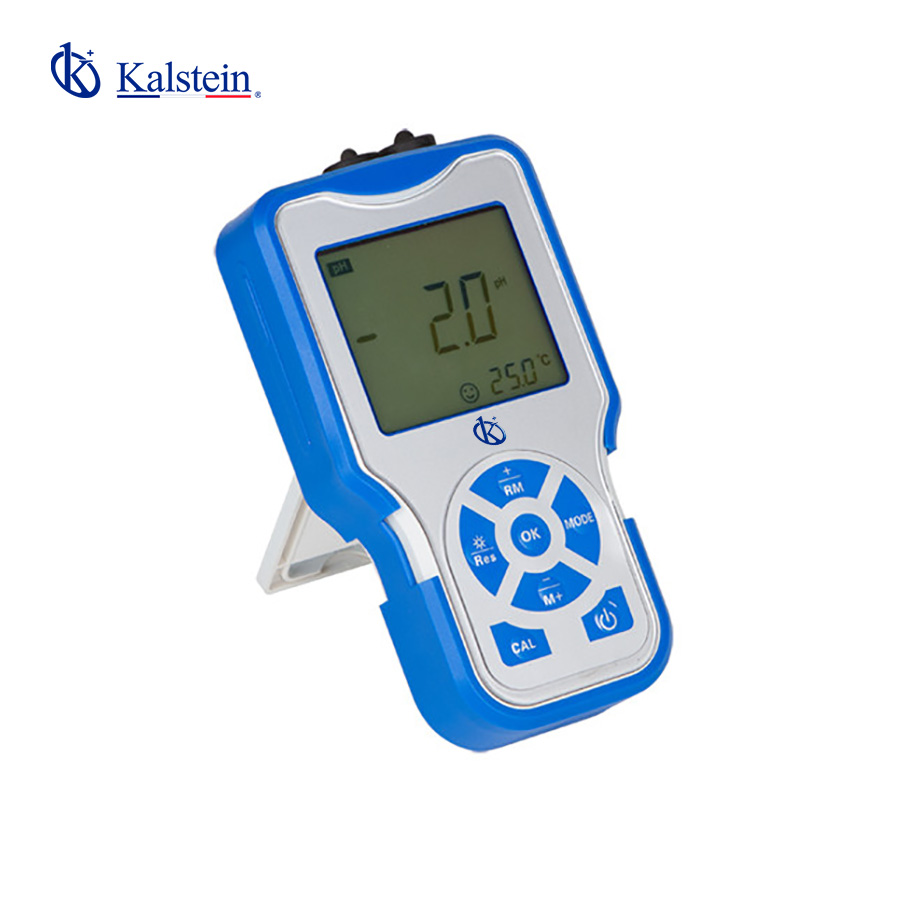
How Portable Ion Meters Contribute to Energy Sustainability and Environmental Footprint Reduction
With laboratory operations increasingly scrutinized for their environmental impact, the implementation of energy-efficient equipment is essential. Portable ion meters have emerged as a pivotal technology, offering accurate ion concentration measurements while minimizing energy consumption and waste. This article delves into how various portable ion meters can significantly contribute to energy sustainability and reduce environmental footprints across laboratory environments.
Understanding Energy Sustainability in Laboratory Context
Energy sustainability in laboratories refers to the ability to maintain laboratory functions while minimizing energy use and reducing carbon footprints. Portable ion meters, like the YR01816 and YR01817-1, enable efficient measurement processes that conserve resources, thus supporting laboratories in their sustainability goals. These devices are designed with features such as low power consumption, enabling them to operate efficiently without compromising performance.
Key Features of Portable Ion Meters for Sustainability
Various features of portable ion meters enhance their sustainability profile:
- Low Power Consumption: These devices are engineered to operate with minimal energy, contributing to lower operational costs and reduced energy demand.
- Multi-parameter Measurement: With models like YR01816, researchers can measure multiple ion concentrations and pH levels simultaneously, reducing the need for multiple devices and the energy associated with their use.
- Efficient Calibration: The ability to calibrate at 2 to 5 points, as seen in the YR01817-1, ensures precise results without extensive energy inputs.
- Durable Design: Rugged construction allows these meters to be used in various environments, diminishing the need for replacements and associated manufacturing energy costs.
Comparison of Available Models
| Model | Best For | Energy Efficiency Features | Price (USD) |
|---|---|---|---|
| YR01816 | General ion measurements | Low power operation, multi-parameter function | 94.00 |
| YR01817-1 | Ammonium ion analysis | Automatic electrode diagnosis, energy-efficient calibration | 229.00 |
| YR01817-10 | Outdoor ion analysis | Temperature compensation, low energy design | 500.00 |
| YR01817-11 | High concentration measurements | Automatic diagnostics, energy-saving features | 500.00 |
| YR01817-12 | Versatile ammonium ion testing | Power-efficient mode selection | 500.00 |
| YR01817-13 | Field applications | Flexible operation, reduced energy use | 500.00 |
Energy Consumption Metrics in Portable Ion Meters
Understanding the energy consumption metrics of portable ion meters is crucial for evaluating their sustainability impact. For instance, the YR01816 model operates on significantly lower energy levels compared to traditional ion meters, thus promoting energy conservation. The ability to connect to various power sources, including rechargeable batteries, further enhances energy flexibility, allowing laboratories to adapt to their energy use preferences.
Minimizing Environmental Footprint Through Efficient Practices
Utilizing portable ion meters not only enhances measurement efficiency but also aids in minimizing the environmental footprint of laboratory operations. By reducing reagent waste and energy consumption, these meters align with sustainable laboratory practices. For example, the YR01817-1 provides high accuracy over a range of concentrations, allowing for fewer tests and less reagent usage, directly impacting waste reduction.
Common Mistakes and How to Avoid Them
When integrating portable ion meters into laboratory practices, several common mistakes can undermine sustainability efforts. These include:
- Neglecting Calibration: Regular calibration is essential for accuracy. Ensure models like the YR01816 are calibrated consistently to maintain performance.
- Ignoring Energy Consumption Data: Understand the energy usage metrics of your devices. Choose models that offer efficient operation to reduce costs.
- Overlooking Multi-parameter Capabilities: Maximize the potential of portable ion meters by utilizing their multi-parameter functions, such as those in YR01816, to minimize resource use.
Future Trends in Portable Ion Meters and Sustainability
The future of portable ion meters is likely to be shaped by advances in technology aimed at further reducing environmental impact. Innovations may include enhanced battery technology, improved energy efficiency, and connectivity features that allow for better data management. As laboratories strive for sustainability, portable ion meters will play an essential role in achieving their environmental goals.
Frequently Asked Questions
How do portable ion meters enhance energy sustainability in laboratories?
Portable ion meters, such as the YR01816, enhance energy sustainability by operating on low power and providing multi-parameter measurements, which reduce the need for multiple devices and associated energy use.
What are the key energy-saving features of the YR01817-1 portable ammonium ion meter?
The YR01817-1 portable ammonium ion meter features automatic electrode diagnostics and energy-efficient calibration processes that minimize overall energy consumption while ensuring accuracy.
Which portable ion meter is best for reducing reagent waste?
The YR01817-1 is best for reducing reagent waste due to its high accuracy across a range of concentrations, allowing for fewer tests while maintaining reliability and precision.
How can I ensure my portable ion meter contributes to sustainability goals?
To ensure your portable ion meter contributes to sustainability goals, regularly maintain and calibrate models like the YR01816, and choose devices designed for energy efficiency and minimal waste generation.
What impact do portable ion meters have on reducing environmental footprints?
Portable ion meters, such as the YR01817 series, reduce environmental footprints by minimizing energy consumption and reagent use, thus lessening the overall impact of laboratory operations on the environment.
How often should I calibrate my portable ion meter for optimal performance?
For optimal performance of your portable ion meter, particularly models like the YR01816, calibrate regularly, ideally before each major use, to ensure accurate results and energy efficiency.
What future developments can we expect in portable ion meters for sustainability?
Future developments in portable ion meters will likely focus on improved battery technology, enhanced energy efficiency, and features that promote better data management, all aimed at supporting laboratory sustainability.
How do I select a portable ion meter that meets sustainability criteria?
To select a portable ion meter that meets sustainability criteria, consider models with low power consumption, multi-functional capabilities, and robust calibration features, such as the YR01816 and YR01817-1.
If you are looking for a fusion of innovation and quality, you have come to the right place. At Kalstein, we offer you the luxury of exploring our exclusive catalog of laboratory equipment. We manufacture every device to the highest standards of excellence. Our intuitive and seamless online purchasing channels are designed for your convenience, securing the most competitive prices. Hesitate no longer — we bring science to life, it is time to become part of our community.