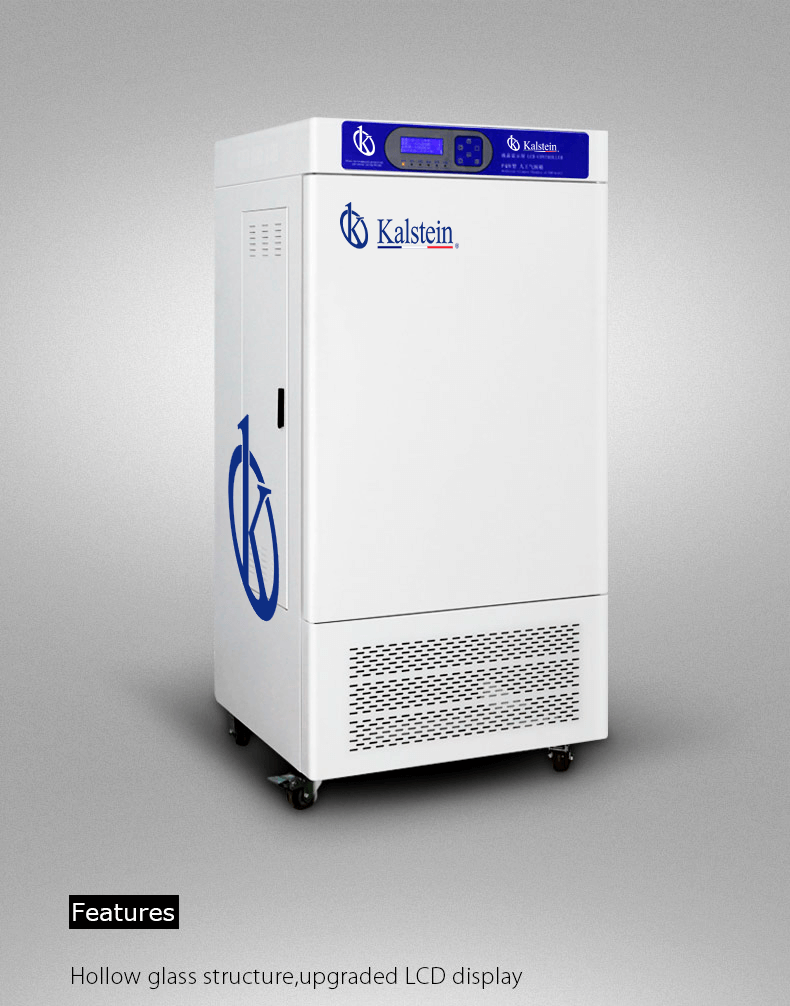
Plant Growth Chambers: Common Mistakes and How to Avoid Them in Daily Operations 2026
Plant growth chambers are essential for various applications in research and laboratory settings. Understanding how to use these devices effectively can dramatically improve outcomes and avoid mistakes that could compromise experimental results. This article aims to provide comprehensive insights into the usage, best practices, and common pitfalls associated with Plant Growth Chambers in 2026.
What is it used for in 2026
In 2026, Plant Growth Chambers serve multiple purposes, including seed germination, plant cultivation, microbial growth studies, and environmental testing. These chambers create controlled environments, allowing researchers to manipulate factors such as light, temperature, and humidity to observe plant responses under specific conditions. They are particularly useful in agriculture, biology, and medical research, providing a reliable platform for experiments where external environmental variables need to be controlled and monitored.
History and evolution of the technology
The technology behind plant growth chambers has evolved significantly since their inception. Initially designed for basic germination purposes, modern chambers now incorporate advanced features such as automated climate control, programmable light cycles, and integrated data logging systems. Over the years, the use of environmentally friendly refrigerants and energy-efficient designs has gained traction, aligning with global sustainability goals. Today’s chambers provide unparalleled precision in environmental control, granting researchers the ability to replicate conditions found in natural habitats and study plant behavior comprehensively.
How to use it step by step
Using a Plant Growth Chamber effectively involves a series of methodical steps:
- Preparation: Ensure the chamber is clean and free from contaminants.
- Setup: Program the desired temperature, humidity, and light conditions based on the specific needs of the plants or microorganisms being cultivated.
- Loading: Place the plants or samples inside the chamber, ensuring adequate spacing for airflow and light penetration.
- Monitoring: Regularly check environmental parameters using the chamber’s display or monitoring software.
- Adjustments: Make necessary adjustments to environmental settings as the growth progresses or as needed.
- Data Recording: Log data related to growth outcomes for future reference or analysis.
- Clean Up: After experiments, clean the chamber thoroughly to prevent cross-contamination.
Best techniques and protocols
To maximize the efficacy of Plant Growth Chambers, adhering to best practices and established protocols is crucial. These may include:
- Utilizing high-quality seeds or microorganisms to ensure healthy growth.
- Implementing staggered planting schedules to observe different growth stages.
- Regular calibration of equipment to ensure accurate environmental settings.
- Documenting all experimental conditions in detail for reproducibility.
- Conducting preliminary trials to refine protocols before full-scale experiments.
Practical applications by laboratory type
Different types of laboratories have unique applications for Plant Growth Chambers:
- Agricultural Research: Used for studying crop responses to different environmental conditions.
- Pharmaceutical Labs: Employed in the study of plant-derived compounds and their medicinal properties.
- Microbiology Labs: Useful for cultivating various microorganisms in controlled settings.
- Educational Institutions: Serve as teaching tools for students in environmental science and biology courses.
Regulations, standards and certifications
Compliance with industry regulations and standards ensures that Plant Growth Chambers operate safely and effectively. Some key regulations include:
- ISO standards for laboratory equipment.
- Good Laboratory Practice (GLP) guidelines.
- Environmental Protection Agency (EPA) guidelines for equipment using refrigerants.
- Occupational Safety and Health Administration (OSHA) regulations for safe laboratory practices.
Comparison with alternative technologies
Plant Growth Chambers can be compared to other technologies such as greenhouses and growth tents. While greenhouses offer natural light and larger space, they rely heavily on external weather conditions. Growth tents provide portability and flexibility but do not offer the same level of environmental control as chambers. Plant Growth Chambers are superior for precise scientific experiments where conditions need to be tightly regulated.
Comparison of available models
| Model | Best for | Key specs | Recommended use case |
|---|---|---|---|
| YR05331 | Seed Germination | Temperature Range: 10~50°C, Volume: 150L, Lighting: 0~10000 LX | Ideal for experimentation with seed germination and early plant growth. |
| YR05332 | Microbial Studies | Temperature Range: 10~50°C, Volume: 250L, Lighting: 0~15000 LX | Best suited for conducting microbial growth experiments in controlled conditions. |
| YR05333 | Advanced Plant Cultivation | Temperature Range: 10~50°C, Volume: 350L, Lighting: 0~15000 LX | Perfect for advanced research in plant biology and genetics. |
Common mistakes and how to avoid them
Common mistakes in using Plant Growth Chambers can lead to failed experiments and wasted resources. Here are some frequent pitfalls and how to avoid them:
- Improper Calibration: Always calibrate the equipment before use to ensure accurate readings.
- Overcrowding: Avoid placing too many samples in the chamber, which can obstruct air circulation.
- Lack of Monitoring: Regularly check environmental conditions to ensure they remain within desired ranges.
- Ignoring Maintenance: Conduct regular maintenance to prevent equipment failure.
Maintenance, calibration and good practices 2026
To keep Plant Growth Chambers operating optimally, follow a maintenance schedule that includes:
- Regular cleaning of interior surfaces.
- Calibration of sensors and controls every three months.
- Inspection of electrical connections for signs of wear or damage.
- Replacing worn-out lights to maintain optimal lighting conditions.
Cost-benefit analysis 2026
Investing in a Plant Growth Chamber can be a significant expense. However, the benefits include enhanced precision in research, reproducibility of results, and improved success rates of experiments. When comparing costs, consider factors such as:
- Initial purchase price of the chamber.
- Operational costs including electricity and maintenance.
- Potential financial returns from successful experiments and research publications.
Frequently asked questions
What are the key features to look for in a Plant Growth Chamber?
Key features include precise temperature control, adjustable lighting options, humidity control, and data logging capabilities. Ensure the chamber suits your specific research needs.
How often should I calibrate my Plant Growth Chamber?
It is recommended to calibrate your chamber every three months or whenever you notice discrepancies in temperature or humidity readings.
Can I use a Plant Growth Chamber for any plant type?
Most Plant Growth Chambers can accommodate various plant types, but specific conditions may need to be tailored based on the species being studied.
What maintenance is required for a Plant Growth Chamber?
Regular cleaning, calibration, and inspections of electrical components and lighting systems are essential for maintaining your chamber.
How do I ensure proper lighting for my experiments?
Adjust the lighting according to the specific needs of your plants, and ensure that the light intensity is appropriate for their growth stage.
What should I do if I encounter issues with my Plant Growth Chamber?
Consult the manufacturer's troubleshooting guide. If problems persist, consider contacting a qualified technician for assistance.
Where can I find high-quality Plant Growth Chambers?
Request a quote on Kalstein Plus for a selection of high-quality Plant Growth Chambers designed to meet your laboratory needs.
If you are looking for a fusion of innovation and quality, you have come to the right place. At Kalstein, we offer you the luxury of exploring our exclusive catalog of laboratory equipment. We manufacture every device to the highest standards of excellence. Our intuitive and seamless online purchasing channels are designed for your convenience, securing the most competitive prices. Hesitate no longer — we bring science to life, it is time to become part of our community.