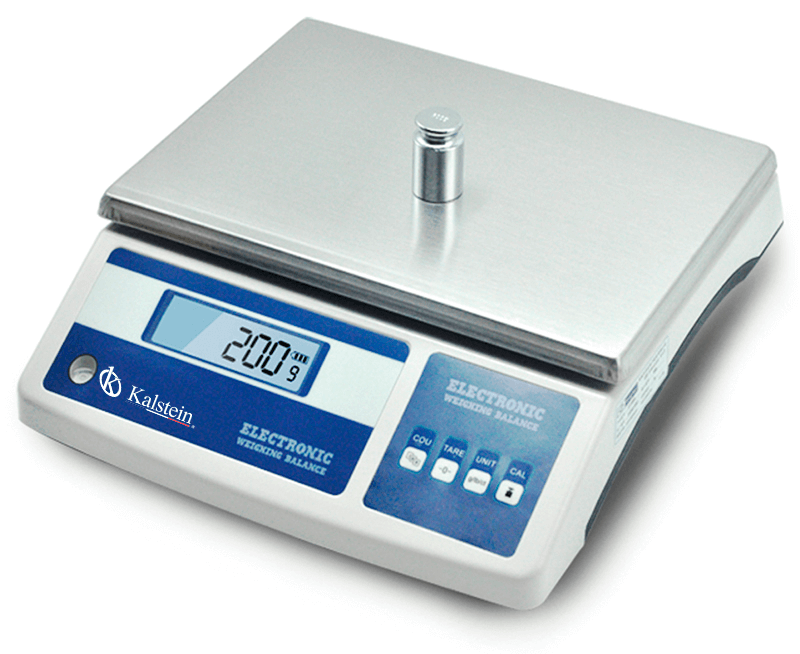
Optimizing Productivity and Reducing Analysis Times with Industrial Balances
In the fast-paced environment of laboratory testing, optimizing productivity while minimizing analysis times is paramount. Industrial balances play a critical role in achieving these goals by providing precise measurements that enhance workflow efficiency. This article explores various industrial balance models, their features, and how they contribute to productivity optimization and reduced analysis times.
Understanding Industrial Balances and Their Role in Productivity
Industrial balances are essential tools in laboratories that require accurate weight measurements for various applications, including quality control, research, and manufacturing. The importance of these devices lies not only in their ability to deliver precise readings but also in the speed with which they operate. Faster measurements reduce the overall time spent on tasks, enabling laboratories to process a higher volume of work.
To effectively optimize productivity, laboratory managers must consider the specifications and features of different industrial balance models to select one that best meets their operational needs. This ensures that the balance chosen not only provides the required precision but also complements the lab's workflow.
Key Features Enhancing Productivity in Industrial Balances
Several key features in industrial balances contribute significantly to improving productivity and reducing analysis times:
- High Capacity and Precision: Models like the YR05609, with a capacity of 31 kg and 1 g readability, allow for versatile usage in heavy-duty applications.
- Fast Stabilization Time: Models such as YR05610 have a stabilization time of less than 2 seconds, enabling quicker measurements.
- Advanced Functions: Functions like tare, counting, and unit conversion enhance usability and streamline operations, as seen in models like YR05606 and YR05607.
- Connectivity Options: Certain models provide interfaces for printers and other devices, allowing for seamless data sharing and documentation.
Comparison of Available Models
| Model | Capacity (kg) | Readability (g) | Stabilization Time (s) | Best for |
|---|---|---|---|---|
| YR05606 | 11 | 1 | < 2 | General laboratory applications |
| YR05607 | 16 | 1 | < 2 | Quality control testing |
| YR05608 | 21 | 1 | < 2 | Research laboratories |
| YR05609 | 31 | 1 | < 2 | Heavy-duty applications |
| YR05610 | 5.1 | 0.1 | < 2 | Precision weighing tasks |
| YR05611 | 11 | 0.1 | < 2 | Laboratory research |
| YR05612 | 16 | 0.1 | < 2 | Industrial applications |
| YR05613 | 21 | 0.1 | < 2 | Product testing |
| YR05614 | 26 | 0.1 | < 2 | Quality assurance |
Strategies for Reducing Analysis Times Using Industrial Balances
To reduce analysis times effectively, laboratories can implement several strategies utilizing industrial balances:
- Batch Processing: Group similar samples and weigh them together to save time during the measurement process.
- Regular Calibration: Ensure balances are calibrated regularly to maintain accuracy and reduce the need for repeat measurements.
- Automation: Implement automatic feeds or conveyors that can work in conjunction with balances to streamline the weight measurement process.
- Staff Training: Ensure that all staff are trained to use the balances proficiently, minimizing human error and speeding up the workflow.
Common Mistakes and How to Avoid Them
When utilizing industrial balances, certain common mistakes can lead to inefficiencies and errors:
- Neglecting Calibration: Failing to calibrate balances regularly can lead to inaccurate measurements. Establish a routine calibration schedule.
- Overloading Balances: Exceeding the capacity of a balance, such as the YR05610's 5.1 kg limit, can damage equipment and result in inaccurate readings.
- Inadequate Training: Ensure thorough training for all users to minimize errors associated with improper use.
- Not Utilizing Tare Functions: Forgetting to use the tare function can lead to unnecessary additional weighing steps, extending analysis times.
Frequently Asked Questions
How can I optimize the use of industrial balances to reduce analysis times?
To optimize the use of industrial balances like the YR05607, focus on training staff for efficient operation and implementing automation for weight measurements. Regular calibration will also ensure accuracy, thus reducing the need for repeat tests.
What features should I look for in an industrial balance for productivity enhancement?
Look for features like fast stabilization times, high capacity, and advanced functions such as unit conversion. Models like YR05609 and YR05610 offer features that significantly enhance productivity in laboratory settings.
Which industrial balance provides the best capacity for heavy-duty applications?
The YR05609 model, with a maximum capacity of 31 kg, is ideal for heavy-duty applications. Its precision and quick stabilization time help in optimizing productivity in high-demand environments.
How does regular calibration affect the performance of industrial balances?
Regular calibration ensures that balances, such as the YR05606, maintain accuracy in readings. This reduces the likelihood of errors and re-work, ultimately enhancing productivity and minimizing analysis times.
What are the benefits of using automated systems with industrial balances?
Automation can significantly reduce analysis times by enabling continuous operation and reducing manual manipulation. Integrating systems with balances like the YR05611 can streamline workflows and improve throughput.
How can industrial balances assist in achieving compliance with laboratory standards?
Using reliable industrial balances helps laboratories meet compliance with standards by ensuring accurate measurements. For instance, the YR05612 supports traceability, which is crucial for compliance documentation.
What should I consider when selecting an industrial balance for a quality control lab?
When selecting an industrial balance for quality control, consider factors like capacity, precision, and the ability to handle rapid measurements. Models like YR05608 and YR05614 are excellent for maintaining high standards in quality control testing.
How can I ensure that my laboratory balances are used effectively?
To ensure effective use of laboratory balances, provide comprehensive training for all users, implement regular maintenance schedules, and utilize the advanced features of your models, such as the tare function in the YR05610.
If you are looking for a fusion of innovation and quality, you have come to the right place. At Kalstein, we offer you the luxury of exploring our exclusive catalog of laboratory equipment. We manufacture every device to the highest standards of excellence. Our intuitive and seamless online purchasing channels are designed for your convenience, securing the most competitive prices. Hesitate no longer — we bring science to life, it is time to become part of our community.