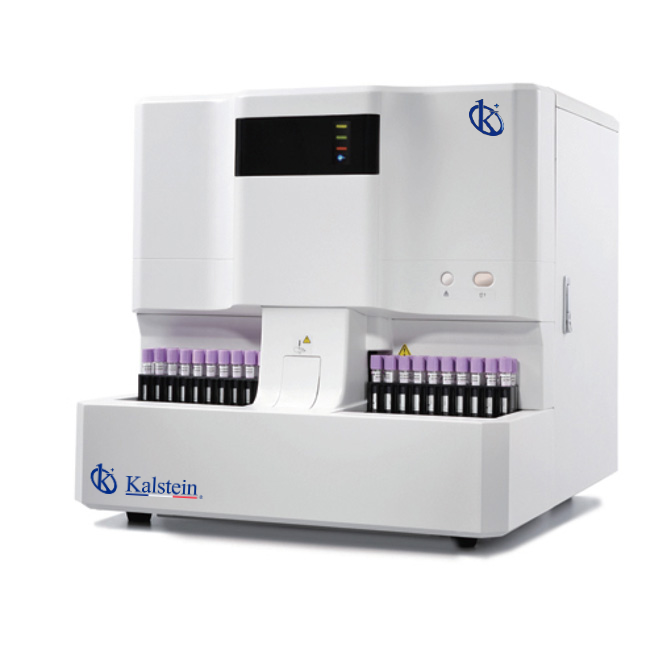
How to Optimize Productivity and Reduce Analysis Times with Hematology Analyzers?
In modern laboratories, the efficiency and accuracy of hematological analysis are paramount. Optimizing productivity while minimizing analysis times can significantly enhance laboratory throughput and service quality. Hematology analyzers are at the core of this optimization, providing advanced features that facilitate faster and more reliable results. This article delves into how various models of hematology analyzers contribute to productivity improvement and analysis time reduction.
Understanding Hematology Analyzers and Their Impact on Productivity
Hematology analyzers are specialized devices used to perform complete blood counts and analyze blood samples for various parameters such as red blood cells, white blood cells, and platelets. With the advancement of technology, these analyzers have evolved to incorporate automation and sophisticated methodologies, leading to increased productivity in laboratories. Factors such as sample throughput, accuracy, and ease of use are critical in enhancing laboratory workflows.
Factors Contributing to Productivity Optimization
To maximize productivity in hematological analysis, several factors come into play, including:
- Sample Throughput: The number of samples processed per hour directly affects productivity. Higher throughput allows laboratories to manage larger volumes efficiently.
- Automation Features: Automated systems minimize human intervention, reducing the likelihood of errors and expediting the analysis process.
- Data Management: Advanced data management systems facilitate quick access to results, aiding in timely decision-making.
- Maintenance and Calibration: Regular maintenance and calibration ensure optimal performance, reducing downtime and increasing reliability.
Comparison of Available Models
| Model | Sample Processing Speed (samples/hour) | Key Features | Best Use Case |
|---|---|---|---|
| YR06080 | 60 | 28 parameters, 2 histograms, titanium incubation system | High-demand laboratories needing detailed analysis |
| YR05123 | 60 | 3D topographic maps, automatic calibration | For precise WBC analysis in busy environments |
| YR05122-1 | 60 | 5-part WBC differentiation, 14-inch touchscreen | Comprehensive laboratory analysis with user-friendly interface |
| YR05122 | 35 | 3 histograms, automatic cleaning | Cost-effective for smaller labs with moderate sample volume |
| YR05121 | 35 | Storage for 100,000 results, automated functions | Ideal for data-heavy environments |
| YR05120 | 35 | 8.4” TFT color display, dual-channel hemoglobin testing | Versatile usage in various hematology applications |
Common Mistakes and How to Avoid Them
When selecting and using hematology analyzers, laboratories often encounter pitfalls that can hinder productivity. Common mistakes include:
- Underestimating Throughput Needs: Failing to assess the laboratory's sample volume can lead to selecting an inadequate analyzer model.
- Neglecting Maintenance: Skipping regular maintenance can cause equipment malfunction, leading to downtime and lost productivity.
- Inadequate Training: Insufficient training for laboratory personnel on new analyzers can result in operational inefficiencies.
Strategies for Reducing Analysis Times
Reducing analysis times is crucial for improving overall laboratory efficiency. Here are strategies that can help:
- Batch Processing: Grouping similar samples for simultaneous analysis can significantly decrease total processing time.
- Utilization of Advanced Features: Take full advantage of features such as auto-sampling and automatic cleaning to minimize manual tasks.
- Regular Calibration: Implement a strict calibration schedule to ensure the analyzers operate at peak efficiency.
Utilizing Data Management Systems for Improved Productivity
Data management systems play a vital role in streamlining laboratory workflows. These systems facilitate:
- Fast Results Access: Immediate access to results helps in quick decision-making for patient care.
- Integration with Electronic Health Records (EHR): Smooth integration allows for better data sharing and patient management.
- Comprehensive Reporting: Automated reporting features reduce the time spent on manual report generation.
Advanced Features in Hematology Analyzers to Consider
When evaluating hematology analyzers, consider advanced features that promote productivity, such as:
- 3D Scatter Plot Technology: This feature enhances the visual analysis of blood components, improving diagnostic accuracy.
- Random Access Sampling: Enables immediate processing of samples as they are received, reducing wait times.
- Automated Maintenance Routines: Streamlines upkeep tasks, ensuring the analyzer remains operational and productive.
Frequently Asked Questions
What are the key metrics to evaluate hematology analyzers for productivity optimization?
When evaluating hematology analyzers like the YR06080, metrics such as samples per hour, parameter coverage, and automation features are critical. These elements help determine how efficiently a lab can operate while providing accurate and timely results.
How can data integration reduce analysis times in hematology labs?
Data integration with systems like EHR can significantly reduce analysis times by facilitating quick communication of results. For example, analyzers like the YR05121 allow seamless data transfer, which enhances workflow efficiency.
How does the sample processing speed affect laboratory efficiency?
Sample processing speed is vital for laboratory efficiency. An analyzer like the YR06080 processes 60 samples per hour, allowing labs to manage high volumes effectively, ultimately leading to enhanced patient care and workflow optimization.
What role does automation play in hematology analysis?
Automation is crucial in hematology analysis as it reduces human error and speeds up processes. Models like the YR05123, with features like automatic calibration, exemplify how automation can enhance both accuracy and efficiency in a lab setting.
How can proper training impact the use of hematology analyzers?
Proper training ensures that lab personnel can maximize the features of hematology analyzers. For instance, understanding the capabilities of the YR05122-1 leads to better utilization of its functionalities, improving overall productivity.
Which hematology analyzer is best suited for high-demand laboratory environments?
The YR06080 is particularly suited for high-demand labs due to its ability to process 60 samples per hour, making it ideal for busy settings requiring rapid and detailed blood analysis.
What maintenance practices are recommended for hematology analyzers?
Regular cleaning, prompt calibration, and scheduled servicing are essential maintenance practices for hematology analyzers. Implementing these practices helps devices like the YR05120 perform optimally, reducing downtime and prolonging equipment life.
How can laboratories ensure accurate results with hematology analyzers?
To ensure accurate results, laboratories should regularly calibrate their analyzers, utilize appropriate quality control measures, and adhere to standard operating procedures. For instance, the YR05122 model integrates auto-calibration features that assist in maintaining accuracy.
If you are looking for a fusion of innovation and quality, you have come to the right place. At Kalstein, we offer you the luxury of exploring our exclusive catalog of laboratory equipment. We manufacture every device to the highest standards of excellence. Our intuitive and seamless online purchasing channels are designed for your convenience, securing the most competitive prices. Hesitate no longer — we bring science to life, it is time to become part of our community.