How to Optimize Productivity and Reduce Analysis Times with Horizontal Electrophoresis
In modern laboratory settings, efficiency and speed are of utmost importance, particularly in the context of electrophoresis technologies. Horizontal electrophoresis systems are essential tools for many biological and biochemical applications, including DNA and RNA analysis. This article will explore various models of horizontal electrophoresis, highlighting how each can contribute to maximizing productivity and minimizing analysis times.
Understanding Horizontal Electrophoresis: A Tool for Enhanced Laboratory Productivity
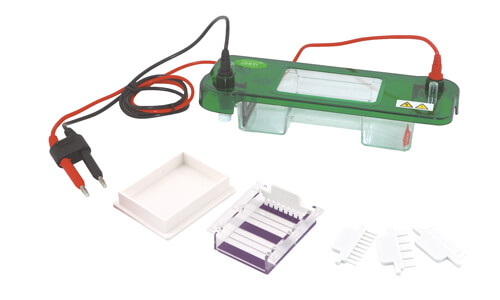
Horizontal electrophoresis systems provide a versatile platform for gel electrophoresis, enabling the separation of nucleic acids and proteins. The design of these systems, such as those represented by the YR series, facilitates a wide range of experimental setups. By optimizing the use of these systems, laboratories can see significant improvements in productivity.
Key factors that enhance productivity include the size of the gel, buffer volume, and sample capacities offered by the different models. For instance, the YR03415 model is designed to accommodate various gel sizes, making it suitable for different throughput requirements. Meanwhile, models like YR03420 offer larger buffer volumes, which can be crucial for extended experiments, further reducing downtime between runs.
Comparison of Available Models
| Model | Gel Size (cm) | Sample Volume (ml) | Buffer Volume (ml) | Weight (kg) | Price (USD) |
|---|---|---|---|---|---|
| YR03415 | 18.6 x 20.5 | 3, 5, 9 | 150 | 0.4 | 81.00 |
| YR03416 | 7.8 x 10.0 | 10, 15 | 400 | 0.6 | 136.80 |
| YR03417 | Multiple Sizes | 3, 6, 8, 11, 13, 18, 25 | 550 | 1.1 | 183.00 |
| YR03418 | 14.0 x 14.0 | 1, 2, 3, 6, 14, 8, 17, 13, 29 | 900 | 2.0 | 201.00 |
| YR03419 | Multiple Sizes | 3, 5, 10, 15, 13, 26 | 600 | 1.7 | 201.00 |
| YR03420 | 20.0 x 20.0 | 17, 22, 36, 44 | 1800 | 3.3 | 330.60 |
Focus on Productivity Optimization Strategies
To enhance productivity in laboratories utilizing horizontal electrophoresis, several strategies can be implemented. One effective approach is optimizing sample preparation and loading processes. Standardizing these procedures can lead to reduced variability and faster turnaround times. For instance, the YR03416 model, with its compact design, can be useful in labs with limited space, allowing for streamlined workflows.
Another key factor is the automation of electrophoresis runs. Utilizing models equipped for automation, such as the YR03420, can drastically reduce the time technicians spend monitoring experiments. This allows staff to focus on other critical laboratory tasks, effectively increasing overall productivity.
Reduction of Analysis Times through Technological Advancements
Advancements in horizontal electrophoresis technology have significantly contributed to the reduction of analysis times. Modern units are designed for high-throughput capabilities, which allows laboratories to process multiple samples simultaneously. For example, the YR03417 model is capable of handling various gel sizes and sample volumes, making it adaptable for different experimental needs.
Furthermore, newer designs provide faster cooling and heating mechanisms, which can optimize the efficacy of gel polymerization and sample separation times. This means labs can achieve results quicker, enabling a more agile response to research and diagnostic needs.
Common Mistakes and How to Avoid Them
While utilizing horizontal electrophoresis systems, laboratories may encounter several common pitfalls that can hinder productivity. One frequent mistake is using an inappropriate buffer system, which can lead to poor resolution and longer analysis times. It is crucial for labs to carefully select buffers based on the specific requirements of the samples being analyzed.
Another common issue is inadequate maintenance of the electrophoresis units. Regular cleaning and calibration of models such as the YR03418 ensure consistent performance and extend the lifespan of the equipment. Labs should implement a maintenance schedule to keep their systems in optimal condition.
Frequently Asked Questions
How can I reduce analysis times in horizontal electrophoresis without compromising quality?
To reduce analysis times while maintaining high quality, consider using the YR03420 model, which accommodates larger sample volumes and buffer capacities, enabling simultaneous processing of multiple gels. This model's design reduces downtime between runs, thus enhancing laboratory efficiency.
What are the key specifications to consider for horizontal electrophoresis models?
When choosing a horizontal electrophoresis model, focus on gel sizes, sample capacity, buffer volume, and weight. For example, the YR03419 model offers a range of sample volumes and gel sizes, making it versatile for various experiments.
Which model is best for high-throughput applications in horizontal electrophoresis?
The YR03420 model is highly suitable for high-throughput applications due to its larger buffer volume of ~1800 ml and capability to process multiple samples simultaneously, significantly reducing analysis times.
What maintenance practices can improve the lifespan of horizontal electrophoresis units?
Regular cleaning, calibration, and appropriate buffer selection are key maintenance practices. For instance, maintaining models like the YR03415 ensures longevity and consistent performance, which is essential for reliable results.
How do different gel sizes impact the results of horizontal electrophoresis?
Different gel sizes can affect resolution and separation efficiency. For example, using the YR03417 allows flexibility with multiple gel sizes, enabling optimization based on specific sample types and desired resolution.
What innovative features should I look for in a horizontal electrophoresis model?
Look for features such as automated sample loading, advanced cooling mechanisms, and user-friendly interfaces. The YR03418 model includes innovative designs that facilitate easier handling and setup, improving overall workflow efficiency.
How can I ensure compliance with industry standards while using horizontal electrophoresis?
Adhering to best practices in sample handling and maintenance, along with utilizing compliant models like the YR03420, ensures that your electrophoresis processes meet industry standards while optimizing analysis times.
If you are looking for a fusion of innovation and quality, you have come to the right place. At Kalstein, we offer you the luxury of exploring our exclusive catalog of laboratory equipment. We manufacture every device to the highest standards of excellence. Our intuitive and seamless online purchasing channels are designed for your convenience, securing the most competitive prices. Hesitate no longer — we bring science to life, it is time to become part of our community.