How to Optimize Predictive Maintenance and Calibration for Veterinary Laparoscopy Systems?
Veterinary laparoscopy systems play a critical role in modern veterinary surgery, enabling minimally invasive procedures that enhance recovery times and reduce complications. However, to maintain optimal performance and ensure patient safety, it's essential to focus on predictive maintenance and regular calibration. This article delves into the strategies and methodologies for implementing effective maintenance practices and calibration schedules for veterinary laparoscopy systems, highlighting key models and their specifications.
Understanding Predictive Maintenance in Veterinary Laparoscopy
Predictive maintenance is an approach that leverages data analysis and sensor technologies to predict equipment failures before they occur. This proactive strategy is particularly beneficial for veterinary laparoscopy systems, where equipment reliability is paramount. By monitoring performance metrics, veterinary practices can significantly reduce downtime and enhance operational efficiency.
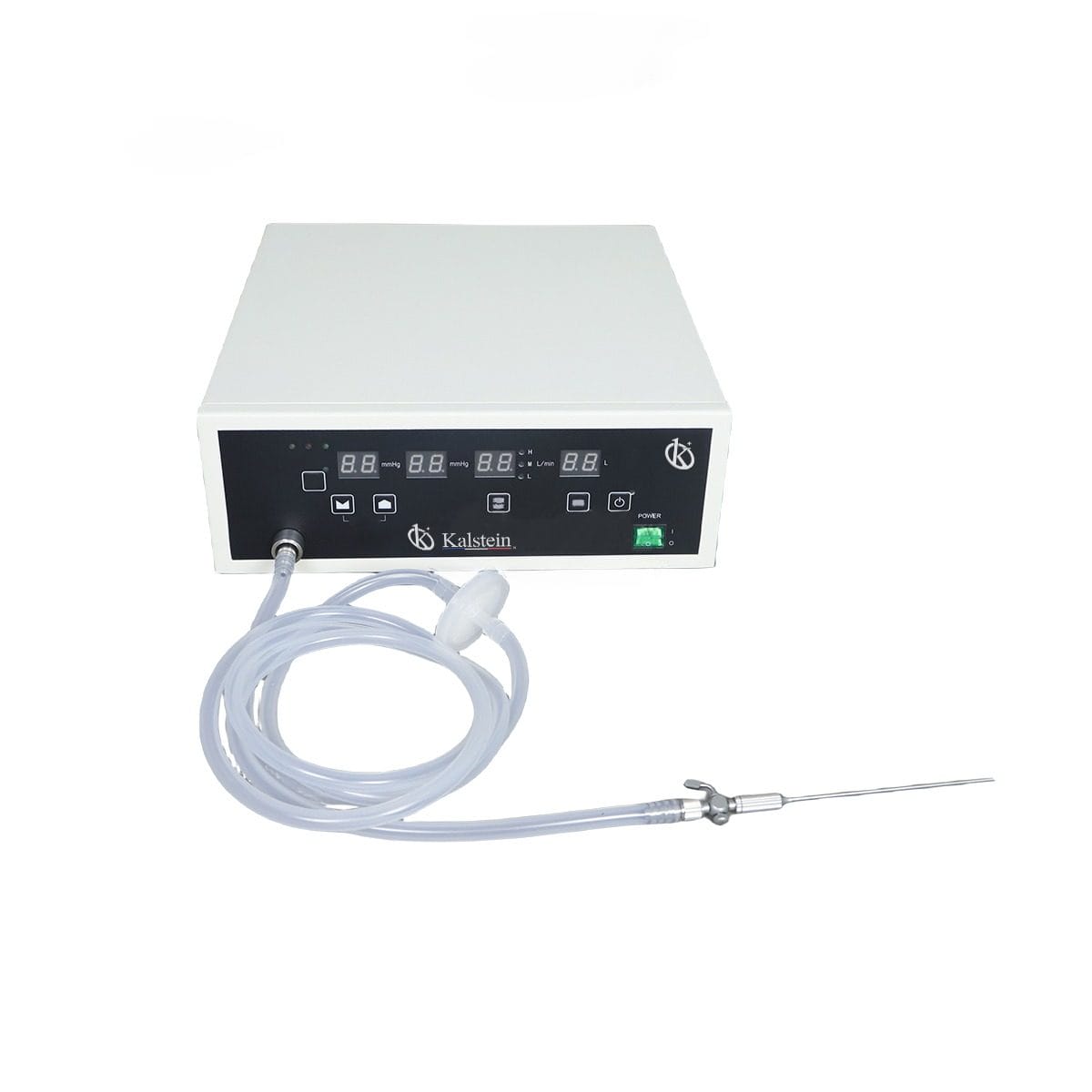
For instance, models like the Veterinary CO2 Insufflator YR06157 offer automated pressure monitoring and alarms, ensuring that any operational irregularities are flagged early. This model operates at a flow rate of 4L/min to 10L/min, which can be adapted based on surgical needs, thereby contributing to its reliability during procedures.
Calibration Requirements for Veterinary Surgical Equipment
Regular calibration is vital to ensure that veterinary laparoscopy systems function within their specified parameters. Calibration involves adjusting the equipment to meet precise standards, ensuring accuracy in diagnostics and surgical procedures. Each model may have unique calibration requirements, influenced by its design and intended use.
The Mobile High-Definition Endoscopic Imaging System, YR06156, for example, requires periodic calibration to maintain its image resolution and lighting efficiency, which are crucial for surgical visibility. Maintaining an illumination of at least 700,000 Lux can directly impact surgical outcomes and should be verified regularly through calibration checks.
Preventive vs Predictive Maintenance Strategies
The distinction between preventive and predictive maintenance is crucial in maintaining veterinary laparoscopic systems. Preventive maintenance involves routine checks and servicing based on time intervals, while predictive maintenance relies on actual performance data to determine maintenance needs.
While preventive maintenance can ensure systems like the Veterinary CO2 Insufflator YR06158 remain functional, integrating predictive maintenance strategies can lead to more efficient use of resources. By utilizing the 2L/min to 40L/min flow rate variability in the YR06158, practices can analyze usage patterns and schedule maintenance only when necessary, avoiding unnecessary downtime.
Calibration Intervals and Best Practices
Establishing clear calibration intervals is essential for maintaining the accuracy of veterinary surgical equipment. The intervals depend on the specific use cases of each model, as well as the frequency of their use.
For instance, a suggested calibration schedule for the Mobile High-Definition Endoscopic Imaging System may include checks every three months, while the CO2 Insufflators might require monthly monitoring based on their usage during surgical procedures. Documenting each calibration event is crucial for traceability and compliance with veterinary standards.
Key Performance Indicators (KPIs) for Equipment Maintenance
Identifying and tracking KPIs is essential for evaluating the effectiveness of predictive maintenance strategies. Metrics such as Mean Time Between Failures (MTBF) and Mean Time to Repair (MTTR) provide insights into equipment performance and reliability.
By analyzing data from the Veterinary CO2 Insufflator YR06157, veterinary practices can establish KPIs that reflect the unit's operational history. With a pre-set pressure range of 0.67kPa to 3.30kPa, monitoring these parameters can assist in anticipating potential failures and scheduling timely maintenance.
Common Mistakes and How to Avoid Them
Inadequate maintenance and calibration practices can lead to increased risks during veterinary surgeries. Common mistakes include failing to document maintenance activities, neglecting calibration schedules, and not training staff adequately on equipment use.
To avoid these pitfalls, veterinary practices should implement a structured maintenance management system that includes comprehensive training, regular audits, and clear documentation of all procedures related to their laparoscopy systems.
Comparison of Available Models
| Model | Flow Rate (L/min) | Calibration Interval | Best for |
|---|---|---|---|
| YR06157 | 4L/min - 10L/min | Monthly | Small animals like dogs and cats |
| YR06156 | N/A | Every 3 months | High-definition endoscopic imaging |
| YR06158 | 2L/min - 40L/min | Monthly | General laparoscopy |
Frequently Asked Questions
How often should I calibrate my veterinary laparoscopy system for optimal performance?
Calibration frequency varies by model. For instance, the Mobile High-Definition Endoscopic Imaging System YR06156 should be calibrated every three months to maintain its performance, ensuring high-quality imaging for surgical procedures.
What are the common indicators for predictive maintenance in veterinary laparoscopy systems?
Key indicators include Mean Time Between Failures (MTBF) and operational data from models like the Veterinary CO2 Insufflator YR06157. Tracking these metrics helps predict when maintenance is needed and enhances equipment reliability.
What is the recommended maintenance schedule for the YR06158 CO2 insufflator model?
The YR06158 model should undergo monthly maintenance checks to ensure optimal functionality, particularly monitoring the flow rates ranging from 2L/min to 40L/min, which are crucial during surgeries.
How can I implement a predictive maintenance strategy for my veterinary surgical equipment?
Implementing predictive maintenance involves monitoring performance data from your equipment. For example, the Veterinary CO2 Insufflator YR06157 provides automated alarms, which can be used to anticipate maintenance needs based on operational performance.
What types of veterinary surgeries benefit from using a high-definition endoscopy system?
High-definition endoscopy systems, like the YR06156, are beneficial for various surgeries, particularly those requiring detailed visualization, such as laparoscopic surgeries in companion animals and complex procedures.
What documentation is essential for maintaining compliance with veterinary equipment calibration?
Documentation must include calibration logs, maintenance records, and service histories for all equipment. For instance, the YR06156's calibration history should be meticulously recorded to meet compliance standards.
How do I ensure the reliability of my veterinary surgical equipment during procedures?
Regular predictive maintenance and calibration schedules are key to ensuring equipment reliability. For example, both CO2 Insufflators YR06157 and YR06158 should be calibrated monthly to guarantee precise operational standards during surgeries.
What are the consequences of neglecting calibration for veterinary laparoscopy systems?
Neglecting calibration can lead to inaccurate measurements and potential surgical complications. Regular checks on models like the YR06156 are crucial to maintaining safety and effectiveness during high-stakes procedures.
If you are looking for a fusion of innovation and quality, you have come to the right place. At Kalstein, we offer you the luxury of exploring our exclusive catalog of laboratory equipment. We manufacture every device to the highest standards of excellence. Our intuitive and seamless online purchasing channels are designed for your convenience, securing the most competitive prices. Hesitate no longer — we bring science to life, it is time to become part of our community.