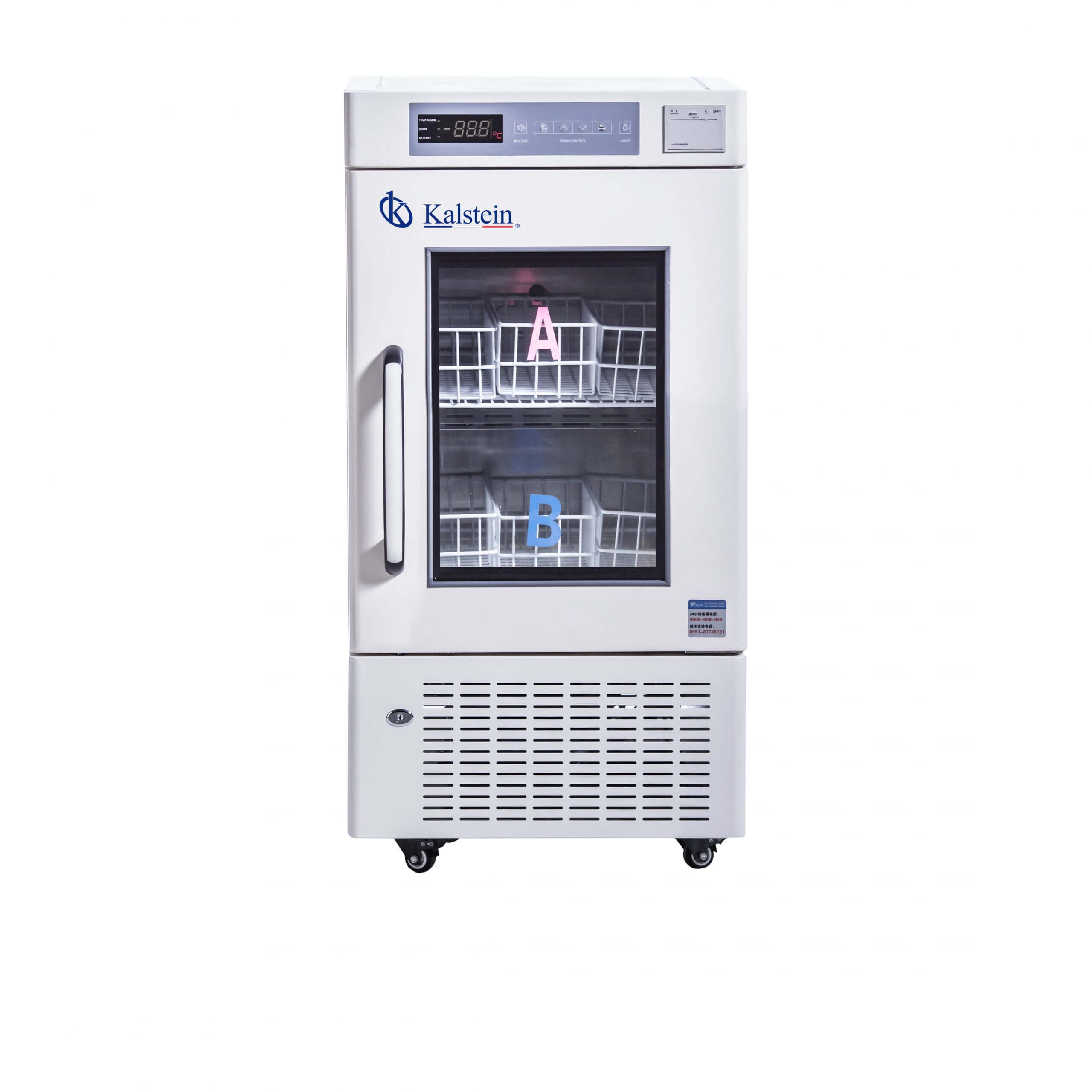
How to Optimize LIMS Integration for Blood Bank Refrigerators
In the landscape of modern laboratories, the integration of laboratory information management systems (LIMS) with essential equipment such as blood bank refrigerators has become critical. This convergence not only streamlines data flow but also ensures compliance with regulatory standards. Understanding how to effectively integrate these systems can enhance operational efficiencies, improve data accuracy, and promote better inventory management.
Understanding the Role of Blood Bank Refrigerators
Blood bank refrigerators play a pivotal role in the safe storage of blood products, ensuring they remain viable for transfusion purposes. They are designed to maintain a consistent temperature between 2-6°C, which is crucial for preserving the integrity of blood and blood components. In the context of LIMS integration, these refrigerators must communicate temperature data, alarms, and inventory levels to the LIMS for real-time monitoring and reporting.
Key Benefits of LIMS Integration
Integrating blood bank refrigerators with LIMS provides numerous benefits including improved regulatory compliance, enhanced data tracking, and better resource management. With real-time data exchange, laboratory professionals can ensure that blood products are stored under optimal conditions, thus minimizing the risk of spoilage. Additionally, seamless data management allows for easier audits and compliance with standards like ISO 15189 and AABB guidelines.
Comparison of Available Models
| Model | Temperature Control | Monitoring Features | Best Use Case |
|---|---|---|---|
| YR05091 | Microprocessor-controlled, 2-6°C | Digital display, auto defrost | Small to medium blood banks |
| YR05092 | Microprocessor-controlled, 2-6°C | Digital display, advanced sensors | Medium to large hospitals |
| YR05094 | Microprocessor-controlled, 2-6°C | Digital display, auto defrost | Large blood storage facilities |
| YR05098 | Microprocessor-controlled, -10 to -25°C | Multiple alarms, digital display | Long-term storage and preservation |
| YR05292 | Microprocessor-controlled, 4±1°C | Digital display, frost-free | High-volume blood storage |
Common Challenges in LIMS Integration
While integrating blood bank refrigerators with LIMS can yield significant advantages, laboratories may face challenges such as compatibility issues between systems, data silos, and the need for extensive training for staff. Selecting models that support standardized protocols like HL7 or ASTM can mitigate many of these challenges. It is essential to conduct a thorough assessment of existing IT infrastructure before implementation.
Best Practices for Successful Integration
To ensure a smooth integration process, laboratories should follow best practices such as defining clear objectives, ensuring compatibility between systems, and employing middleware solutions when necessary. A robust data validation strategy must be implemented to guarantee that data flows accurately between the refrigerator and the LIMS. Regular training sessions for staff can also enhance the efficiency of the integration.
Frequently Asked Questions
What are the key considerations for LIMS integration with Blood Bank Refrigerators?
When integrating a blood bank refrigerator like the YR05091 with a LIMS, key considerations include compatibility with existing systems, temperature monitoring capabilities, and data exchange protocols. Ensuring that the refrigerator supports digital displays and auto-defrost features can also enhance usability.
How can I ensure compliance with standards when using Blood Bank Refrigerators?
Compliance with standards such as ISO 15189 can be achieved by using models like YR05092 that provide advanced monitoring features and integrate seamlessly with LIMS for accurate data tracking and reporting. Regular audits and maintenance are also crucial.
What are the cost implications of integrating LIMS with Blood Bank Refrigerators?
The cost implications can vary depending on the models selected and the complexity of the integration. For example, the YR05094 offers advanced features that might be more expensive upfront but lead to lower long-term costs through improved efficiency and compliance.
How does data flow from Blood Bank Refrigerators to LIMS?
Data flow from blood bank refrigerators to LIMS occurs through established connectivity protocols such as HL7 or ASTM, which allow for real-time monitoring of temperature and inventory levels, ensuring that all data is up-to-date and compliant with laboratory standards.
What is the best model for a high-volume blood storage facility?
The YR05292 model is highly recommended for high-volume blood storage due to its large capacity and reliable microprocessor control, ensuring that the temperature remains stable within the required range for optimal blood preservation.
What features should I look for in a Blood Bank Refrigerator for LIMS integration?
Look for features such as digital displays, auto defrost capabilities, advanced temperature monitoring sensors, and compatibility with LIMS protocols. Models like the YR05098 offer robust monitoring features that are essential for effective integration.
How often should I calibrate my Blood Bank Refrigerator for optimal performance?
Calibration should be conducted at least annually or whenever a significant discrepancy is detected in temperature readings. This ensures that models like YR05091 maintain accurate performance and comply with industry standards.
How can I improve data accuracy with LIMS-integrated Blood Bank Refrigerators?
Enhancing data accuracy can be achieved by employing models that support real-time data monitoring, such as the YR05092, combined with regular audits and staff training to ensure all processes are followed correctly.
If you are looking for a fusion of innovation and quality, you have come to the right place. At Kalstein, we offer you the luxury of exploring our exclusive catalog of laboratory equipment. We manufacture every device to the highest standards of excellence. Our intuitive and seamless online purchasing channels are designed for your convenience, securing the most competitive prices. Hesitate no longer — we bring science to life, it is time to become part of our community.