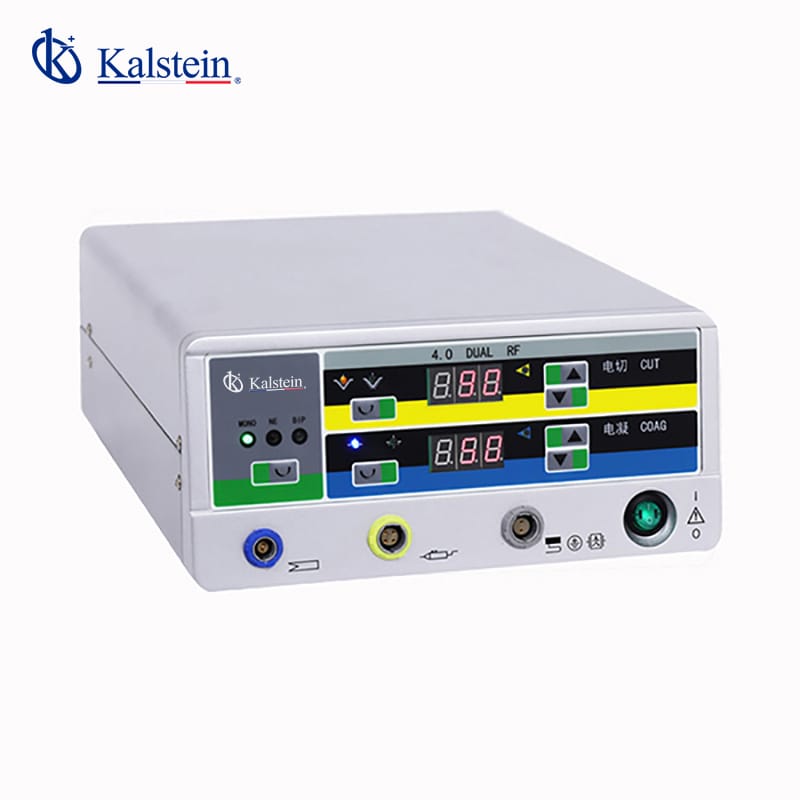
Understanding the Operating Principle and Scientific Fundamentals of the YR02149 Electrosurgical Unit
The YR02149 Electrosurgical Unit is a sophisticated piece of equipment that plays a crucial role in modern surgical procedures. This article delves into the operating principles and scientific fundamentals that underpin its design and functionality, providing insights into how the YR02149 achieves its high-performance standards.
Scientific Principles Behind Electrosurgery
Electrosurgery utilizes high-frequency electric currents to cut, coagulate, or desiccate tissue during surgical procedures. The YR02149 employs a monopolar and bipolar cutting mechanism, allowing for diverse applications in various surgical settings.
The fundamental principle lies in the conversion of electrical energy into thermal energy, which effectively vaporizes cellular water content, leading to tissue cutting. This is achieved through two primary modes: monopolar and bipolar.
Monopolar and Bipolar Modes of Operation
The YR02149 features multiple operational modes, including monopolar cut, monopolar coagulation, bipolar cut, and bipolar coagulation. Monopolar cutting involves a single electrode that delivers energy to the tissue, while bipolar cutting requires two electrodes that work in tandem, minimizing thermal spread to surrounding tissues. This precision is essential in delicate surgical procedures.
The various power settings available, such as pure cut at 120W and coagulation modes at different wattages, give surgeons the flexibility required for different types of tissue and procedures.
Key Design Features of YR02149
The compact and lightweight design of the YR02149 is intentional, allowing for ease of handling and mobility in surgical environments. The integration of tissue monitoring technology is a significant advancement that ensures optimal cutting and coagulation based on real-time tissue density assessment.
This system intelligently alternates between cutting and pausing, ensuring effective hemostasis during surgeries. Such design choices reflect a commitment to enhancing surgical safety and efficacy.
Technical Specifications of the YR02149
| Model | YR02149 |
|---|---|
| Max Power / Rated Load | 1400VA |
| Monopolar Modes | Pure Cut: 120W / 500Ω, Blend 1: 90W / 500Ω, Blend 2: 80W / 500Ω |
| Monopolar Coagulation Modes | Fulgurate Coag: 60W / 500Ω, Spray Coag: 40W / 500Ω |
| Bipolar Modes | Bipolar Cut: 60W / 100Ω, Bipolar Coag: 60W / 100Ω |
| Monopolar Measuring Frequency | 4.0MHz ± 2% |
| Bipolar Measuring Frequency | 1.84MHz ± 2% |
| Environmental Conditions | Temperature: 50°C to 40°C; Relative Humidity: ≤ 95% non-condensing; Pressure: 700 hPa to 1060 hPa |
Understanding the Role of Tissue Monitoring Technology
The YR02149 incorporates cutting-edge tissue monitoring technology that adjusts the cutting and coagulation process based on the tissue's density. This feature is particularly beneficial during procedures such as polypectomy and papillotomy, where precision is paramount.
The ability to adapt the energy delivered based on real-time feedback allows for greater control and reduces the risk of complications, showcasing the importance of scientific principles in surgical equipment design.
Applications in Different Surgical Settings
The versatility of the YR02149 makes it applicable across various surgical disciplines, including general surgery, gastroenterology, and gynecology. Each application benefits from the unit's ability to tailor energy delivery, ensuring optimal results.
In gastrointestinal procedures, for example, effective polypectomy relies on both precise cutting and adequate coagulation to minimize bleeding. The YR02149 is designed to meet these requirements seamlessly.
Frequently Asked Questions
What is the primary function of the YR02149 Electrosurgical Unit?
The YR02149 Electrosurgical Unit primarily functions to cut and coagulate tissue during various surgical procedures using high-frequency electrical currents.
How does tissue monitoring technology improve the operation of the YR02149?
Tissue monitoring technology improves the operation of the YR02149 by dynamically adjusting the cutting and coagulation intervals based on real-time assessments of tissue density, ensuring optimal results and reducing the risk of complications.
What are the differences between monopolar and bipolar modes in the YR02149?
Monopolar mode uses a single electrode to deliver energy to the tissue, while bipolar mode requires two electrodes, which minimizes thermal spread and is ideal for precision cutting in delicate procedures.
What are the power settings available in the YR02149?
The YR02149 features several power settings for monopolar and bipolar modes, including a pure cut at 120W, blending options, and coagulation settings ranging from 40W to 60W depending on the specific application.
How does the YR02149 ensure safety during surgical procedures?
The YR02149 ensures safety through its advanced tissue monitoring system, which intelligently adjusts the cutting process based on real-time feedback, reducing the risk of unintended damage to surrounding tissues.
What are the recommended environmental conditions for the YR02149?
The YR02149 operates optimally in environments with a temperature range of 50°C to 40°C, a relative humidity of less than or equal to 95% (non-condensing), and a pressure range of 700 hPa to 1060 hPa.
If you are looking for a fusion of innovation and quality, you have come to the right place. At Kalstein, we offer you the luxury of exploring our exclusive catalog of laboratory equipment. We manufacture every device to the highest standards of excellence. Our intuitive and seamless online purchasing channels are designed for your convenience, securing the most competitive prices. Hesitate no longer — we bring science to life, it is time to become part of our community.