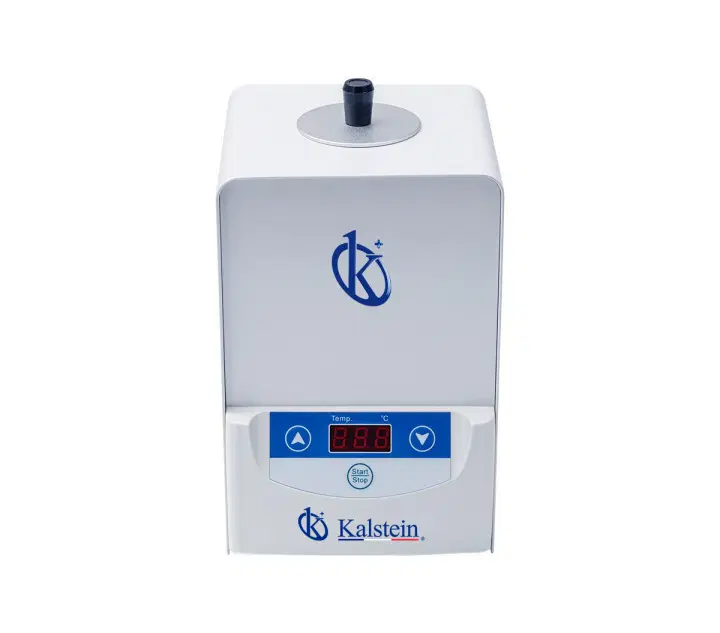
Understanding the Operating Principle and Scientific Basis of the YR05327 Glass Bead Sterilizer
The YR05327 Glass Bead Sterilizer is a cutting-edge laboratory device that utilizes high-temperature glass beads to rapidly sterilize small metal and glass instruments. This article delves into the scientific principles behind its operation, exploring the thermodynamic and microbiological fundamentals that make this sterilizer a vital tool in scientific research and clinical laboratories.
Principle of Operation
The primary operating principle of the YR05327 is the application of high temperatures to effectively eliminate microorganisms. The sterilization process involves heating glass beads to temperatures ranging from 100°C to 300°C. This temperature range is critical because it ensures that bacterial spores, viruses, and other pathogens are destroyed within seconds of exposure.
When metal or glass instruments are introduced into the heated beads, the thermal energy rapidly transfers to the instruments, resulting in sterilization. The high thermal conductivity of glass beads allows for uniform heating, which is essential for effective sterilization.
Scientific Fundamentals of Sterilization
Sterilization is defined as the process of removing or destroying all forms of microbial life. The YR05327 employs dry heat sterilization, which is effective due to the energy transfer from the hot glass beads to the instruments. The mechanism relies on the principle of thermal denaturation, where high temperatures disrupt the structural integrity of microbial cells.
Key scientific terms related to this process include:
- Thermal Denaturation: The process by which heat disrupts the molecular structure of proteins, leading to loss of function.
- Microbial Load: The number of microorganisms present on a surface or in a substance.
- Thermal Death Time (TDT): The time required at a certain temperature to kill a defined number of microorganisms.
Technical Specifications of the YR05327
| Specification | Details |
|---|---|
| Model | YR05327 |
| Voltage | AC100-120V/AC200-240V 50-60Hz |
| Temperature Range | 100~300℃ |
| Temperature Accuracy | ≤5℃ |
| Heating Up Rate | ≤25min (Room temperature to 300°) |
| Tank Dimension | φ40mm×140mm |
| Beads Capacity | 300g |
| Power | 250W |
| Dimensions (W×D×H) | 135×150×205(mm) |
Advantages Over Alternative Sterilization Methods
Compared to traditional autoclaving or chemical sterilization, the YR05327 offers several advantages:
- Speed: The sterilization process occurs in just 10 seconds, significantly faster than other methods.
- Simplicity: The device is easy to operate, requiring minimal setup and ensuring efficient workflow in laboratory environments.
- Cost-Effectiveness: By eliminating the need for consumables like sterilization agents, the YR05327 reduces operational costs.
Applications and Use Cases in Laboratories
The YR05327 is ideal for sterilizing small experimental tools such as:
- Surgical forceps
- Scissors
- Scalpels
- Inoculation loops
- Needles
Its rapid sterilization capability makes it a preferred choice in clinical and research laboratories where time efficiency and reliability are paramount.
Frequently Asked Questions
What is the maximum temperature the YR05327 can achieve?
The YR05327 can reach a maximum temperature of 300°C, allowing it to effectively sterilize various metal and glass instruments.
How long does it take to sterilize instruments using the YR05327?
The sterilization process in the YR05327 takes approximately 10 seconds, making it one of the fastest methods available.
Is the YR05327 suitable for sterilizing all types of laboratory instruments?
The YR05327 is primarily designed for small metal and glass tools. Instruments made of other materials should be avoided to prevent damage or improper sterilization.
How does the YR05327 compare to autoclaves for sterilization?
While autoclaves use steam under pressure, the YR05327 utilizes dry heat, offering quicker sterilization times and simplicity in operation without the need for consumables.
What maintenance is required for the YR05327?
Routine cleaning of the glass bead chamber is necessary to ensure optimal performance. Additionally, periodic checks for any signs of wear or damage should be conducted.
Can the YR05327 be used in clinical settings?
Yes, the YR05327 is suitable for use in clinical laboratories, particularly for quick sterilization of surgical tools prior to procedures.
If you are looking for a fusion of innovation and quality, you have come to the right place. At Kalstein, we offer you the luxury of exploring our exclusive catalog of laboratory equipment. We manufacture every device to the highest standards of excellence. Our intuitive and seamless online purchasing channels are designed for your convenience, securing the most competitive prices. Hesitate no longer — we bring science to life, it is time to become part of our community.