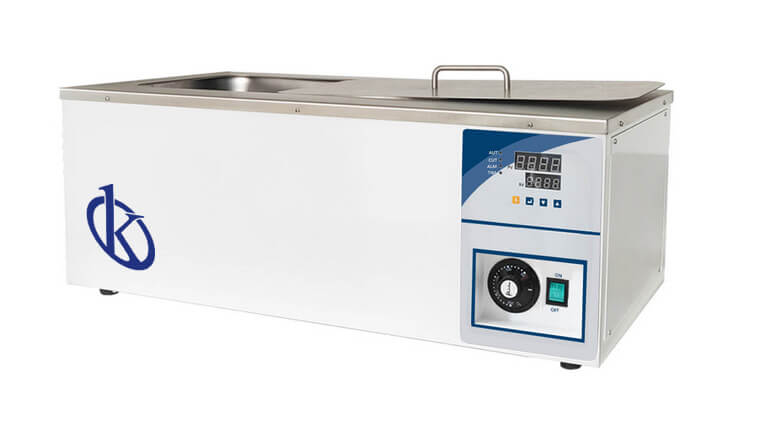
Oil Baths: Practical Applications and Techniques 2026
What is it used for in 2026
Oil baths are essential instruments in various laboratory settings, including clinical and hospital laboratories. In 2026, their primary use revolves around providing a stable temperature environment for various experiments and processes. Oil baths are particularly useful for applications requiring consistent heat, such as:
- Heating reagents and solvents.
- Carrying out chemical reactions under controlled conditions.
- Maintaining temperature during enzymatic reactions.
- Conducting melting point determinations.
- Performing distillation processes.
The reliability of oil baths in maintaining uniform heating is crucial for achieving accurate and reproducible results in laboratory workflows.
History and evolution of the technology
The concept of using oil baths dates back several decades, evolving as a consistent solution for temperature control in laboratories. Initially, simple water baths were the standard; however, they had limitations in temperature range and stability. The introduction of oil as a heating medium allowed for:
- Higher temperature ranges without the risk of boiling.
- Improved thermal conductivity, resulting in more uniform heating.
- Enhanced safety in various experimental setups.
Over the years, advancements in microcontroller technology have contributed to the development of sophisticated oil baths equipped with PID controllers, allowing for precise temperature regulation and easy operation.
How to use it step by step
Using an oil bath effectively involves a systematic approach to ensure optimal performance and safety. Here’s a step-by-step guide:
- Setup: Place the oil bath on a stable, heat-resistant surface away from flammable materials.
- Fill the Bath: Add the appropriate oil, ensuring it is suitable for your required temperature range. Fill to the recommended level indicated in the user manual.
- Temperature Setting: Turn on the device and set the desired temperature using the control panel. Monitor the temperature as it rises.
- Wait for Stabilization: Allow the temperature to stabilize before placing any samples in the bath.
- Insert Samples: Carefully place your samples in the oil bath using appropriate tools to avoid spills.
- Monitoring: Continuously monitor the temperature throughout the experiment, adjusting as necessary.
- Shutdown: After completing the experiment, turn off the unit and allow it to cool before cleaning.
Best techniques and protocols
To achieve the best results when using an oil bath, follow these techniques:
- Always use a reliable thermometer or temperature probe to monitor temperatures accurately.
- Use high-quality oil that can withstand the required temperatures without degrading.
- Ensure proper calibration of the oil bath before critical experiments.
- Maintain cleanliness, as contamination can affect experimental outcomes.
- Follow safety guidelines, particularly when working with flammable materials.
Practical applications by laboratory type
Different types of laboratories utilize oil baths in versatile ways:
Clinical Laboratories
In clinical settings, oil baths facilitate temperature-sensitive assays and biochemical reactions, ensuring accuracy in diagnostic testing.
Research Laboratories
Research laboratories often use oil baths for experimental procedures requiring precise temperature control, such as the synthesis of chemical compounds.
Pharmaceutical Labs
Pharmaceutical labs depend on oil baths for formulation development and stability studies, ensuring that drugs are tested under controlled temperatures.
Food Industry Laboratories
In the food industry, oil baths are crucial for controlling the temperatures of food samples during analyses, impacting quality control measures.
Regulations, standards and certifications
When using oil baths, compliance with various regulations and standards is essential. Laboratories should adhere to:
- ISO/IEC 17025 for laboratory competence.
- Good Laboratory Practice (GLP) guidelines to ensure quality and reliability.
- Health and safety regulations to protect laboratory personnel.
Staying compliant with these standards not only ensures safety but also enhances the credibility of laboratory results.
Comparison with alternative technologies
While oil baths are popular, it's essential to understand how they stack up against alternative heating methods:
- Water Baths: Less effective at higher temperatures, but suitable for lower-range applications.
- Dry Block Heaters: Offer precise temperature control without liquid, but may not provide the same level of uniform heating as oil baths.
- Heating Mantles: Useful for certain applications but can be less flexible regarding temperature adjustments.
Each method has its advantages, making it vital to select the one that best fits your specific laboratory needs.
Comparison of available models
| Model | Best for | Key specs | Recommended use case |
|---|---|---|---|
| YR04973 | General heating applications | 1000W, RT +5~250°C, ≤±0.5°C fluctuation | Perfect for basic laboratory heating tasks |
| YR04974 | Advanced temperature control | 1200W, RT +5~250°C, ≤±0.5°C fluctuation | Ideal for experiments requiring precise temperature settings |
| YR04975 | High-capacity heating | 1600W, RT +5~250°C, ≤±0.5°C fluctuation | Suitable for larger experiments or multiple samples |
| YR04976 | Heavy-duty applications | 2000W, RT +5~250°C, ≤±0.5°C fluctuation | Best for demanding laboratory workflows |
Common mistakes and how to avoid them
To maximize the effectiveness of oil baths, avoid common mistakes such as:
- Overfilling the bath, which can lead to spills and contamination.
- Not allowing enough time for temperature stabilization before starting experiments.
- Using the wrong type of oil, which can degrade and affect results.
- Neglecting regular maintenance and calibration of the oil bath.
By being aware of these pitfalls, laboratory professionals can ensure successful and reliable outcomes.
Maintenance, calibration and good practices 2026
Proper maintenance and calibration are crucial for the longevity and performance of oil baths:
- Regularly check and replace oil as needed to prevent degradation.
- Calibrate temperature settings periodically using a reliable thermometer.
- Clean the exterior and interior surfaces to avoid contamination.
- Inspect electrical components for signs of wear or damage.
Good practices ensure that the oil bath remains a dependable tool in your laboratory.
Cost-benefit analysis 2026
When considering the investment in oil baths, analyze the cost versus the benefits:
- Initial investment: Look at the upfront costs of various models.
- Operational efficiency: Consider energy consumption and maintenance costs.
- Long-term value: Factor in the reliability and precision of results that can lead to better research outcomes.
A thorough cost-benefit analysis helps in making an informed decision about investing in oil baths for your laboratory.
Frequently asked questions
What is the best oil bath model for general laboratory use?
The YR04973 model is excellent for general laboratory heating applications, providing reliable temperature control for various tasks.
How do I know if my oil bath is calibrated correctly?
Regularly check the temperature with a calibrated thermometer and adjust the settings based on the readings to ensure accuracy.
Can I use any type of oil in my oil bath?
No, it is essential to use oil specifically designed for high-temperature applications to avoid degradation and ensure safety.
What safety precautions should I take when using an oil bath?
Always work in a well-ventilated area, avoid flammable materials nearby, and wear appropriate personal protective equipment.
How often should I perform maintenance on my oil bath?
Routine maintenance should be conducted every few months, or more frequently if the bath is used heavily. Regular checks help ensure optimal performance.
What are the advantages of using an oil bath over a water bath?
Oil baths can achieve higher temperatures without boiling, provide better thermal conductivity, and offer more precise temperature control than water baths.
Where can I find a reliable supplier for oil baths?
For a diverse range of laboratory equipment, consider reaching out to reputable suppliers like Kalstein for quality options.
If you are looking for a fusion of innovation and quality, you have come to the right place. At Kalstein, we offer you the luxury of exploring our exclusive catalog of laboratory equipment. We manufacture every device to the highest standards of excellence. Our intuitive and seamless online purchasing channels are designed for your convenience, securing the most competitive prices. Hesitate no longer — we bring science to life, it is time to become part of our community.