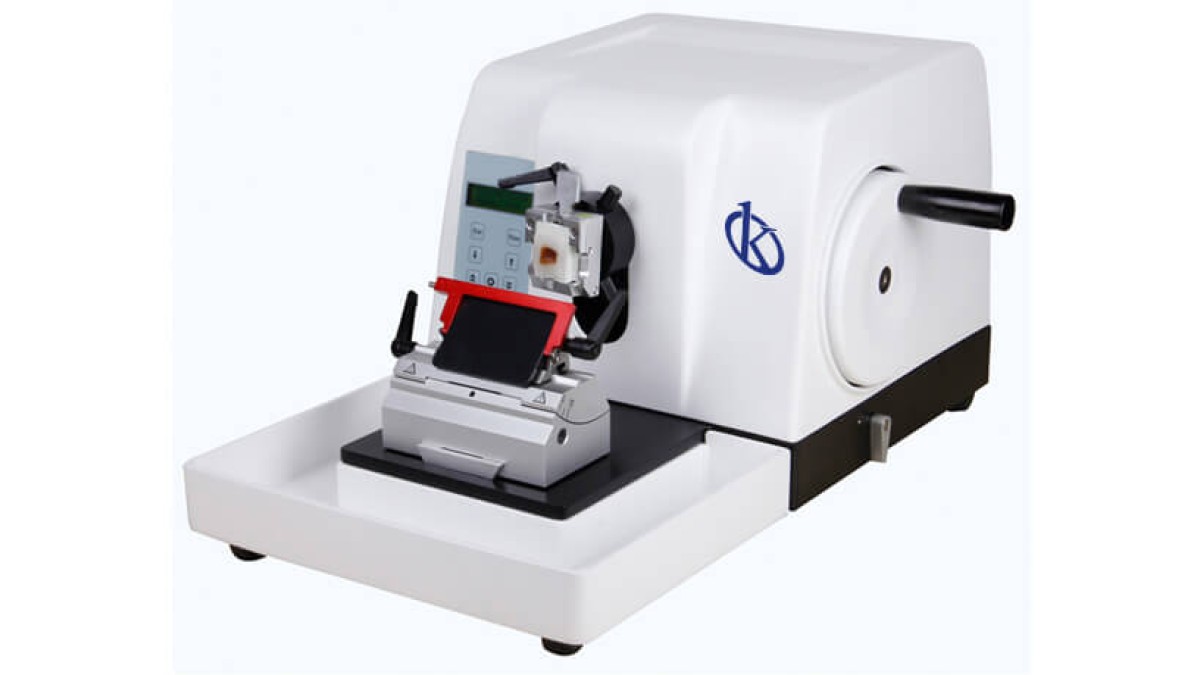
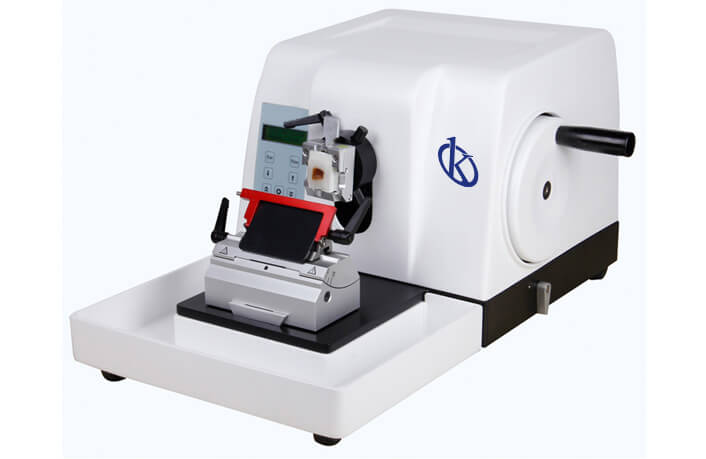
Microtome Series: Practical Applications and Techniques 2026
The Microtome Series plays a crucial role in the field of pathological anatomy, particularly in histological studies. This article will dive into how these advanced devices are utilized in laboratories, their evolutionary background, step-by-step usage guidelines, and best practices in 2026. We will also explore practical applications by laboratory type, applicable regulations, and a comparison of available models to aid professionals in making informed choices.
What is it used for in 2026
In 2026, microtomes are essential for slicing thin sections of material, primarily biological specimens, to prepare samples for microscopic examination. They are widely used in histology, pathology, and research laboratories. The precision and versatility of microtomes ensure that sections can be obtained for various applications, including:
- Histopathology: Analyzing tissue samples for diseases.
- Research: Preparing specimens for various scientific studies.
- Quality Control: Evaluating samples in industrial applications.
History and evolution of the technology
Microtomes have evolved significantly since their inception in the mid-19th century. Initially, they were manual devices requiring considerable skill to operate. Over the years, advancements in technology introduced semi-automatic and fully automatic models, enhancing precision and reducing operator fatigue. The introduction of electronic controls and advanced blade designs has further improved the consistency and quality of sections produced, making modern microtomes indispensable tools in laboratories.
How to use it step by step
Using a microtome can vary between models, but the general steps are as follows:
- Preparation: Ensure that the microtome is clean and properly calibrated. Prepare the specimen by embedding it in paraffin or another medium.
- Setting the Thickness: Adjust the thickness setting on the microtome according to the desired section thickness (e.g., 1-60 μm).
- Loading the Specimen: Secure the specimen in the specimen holder of the microtome.
- Sectioning: Begin the sectioning process, using the handwheel or electronic controls based on the model.
- Collecting Sections: Collect the sections on slides or into a designated container for further processing.
- Cleaning: After use, clean the microtome and dispose of any waste material properly.
Best techniques and protocols
To achieve optimal results when using microtomes, the following techniques and protocols are recommended:
- Use high-quality blades appropriate for the specimen type.
- Maintain a consistent temperature in the laboratory to prevent sample distortion.
- Ensure the specimen is adequately embedded to avoid tearing during sectioning.
- Regularly calibrate the microtome to ensure accuracy in section thickness.
- Utilize clean and well-maintained equipment to avoid contamination of samples.
Practical applications by laboratory type
The applications of microtomes vary across different laboratory types:
- Clinical Laboratories: Microtomes are used extensively in hospitals for diagnosing diseases through tissue analysis.
- Research Laboratories: They facilitate the examination of cellular structures in various fields of biological research.
- Industrial Laboratories: Microtomes are used for quality assurance in materials testing and evaluation.
Regulations, standards and certifications
Microtomes must comply with various regulatory standards to ensure safety and efficacy. Key certifications include:
- ISO 13485: Certification for medical devices, ensuring quality management systems.
- CE Marking: Indicating compliance with European health, safety, and environmental protection standards.
Comparison with alternative technologies
While microtomes are widely used, alternative technologies like vibratome and cryostat also exist. Each method has its advantages:
- Vibratome: Ideal for cutting live tissues but may not provide the same precision as microtomes.
- Cryostat: Used for frozen sections, allowing for rapid results but requiring different handling techniques.
Comparison of available models
| Model | Best for | Key specs | Recommended use case |
|---|---|---|---|
| YR417-1 | Semi-automatic sectioning | Price: $5200.00 | High-demand paraffin sectioning |
| YR416 | Universal microtome | Price: $3600.00 | Precision in various applications |
| YR417 | Manual flexibility | Price: $4000.00 | Histopathology and quality assurance |
| YR420 | High precision cutting | Price: $2400.00 | Stability in histological applications |
| YR421 | Advanced manual operation | Price: $2400.00 | Reliable for histology and research |
| YR422 | Versatile slicing | Price: $1200.00 | General histological use |
Common mistakes and how to avoid them
Many common mistakes can occur when using microtomes:
- Inadequate specimen preparation can lead to tearing; ensure proper embedding.
- Improper blade maintenance can affect section quality; regularly inspect and replace blades.
- Skipping calibration can result in inconsistent section thickness; calibrate regularly.
Maintenance, calibration and good practices 2026
Maintaining microtomes is vital for their longevity and performance. Recommended practices include:
- Regularly clean the microtome after each use to prevent contamination.
- Calibrate the device every month to ensure precision.
- Store blades in protective cases to prevent damage.
Cost-benefit analysis 2026
Investing in a microtome can be substantial, but the benefits often outweigh costs:
- High-quality sectioning can lead to better diagnostic outcomes, justifying the initial investment.
- Efficiency in sample preparation saves time, impacting overall productivity positively.
Frequently asked questions
How do I choose the right microtome for my laboratory?
Consider the type of specimens you work with, required section thickness, and whether you need manual or automatic operation. Evaluate your laboratory's workflow and select a model that aligns with your needs.
What are the best practices for operating a microtome?
Ensure you are trained in using the specific model, maintain clean work environments, regularly calibrate, and replace blades as needed to achieve optimal results.
Can I use a microtome for frozen samples?
While microtomes are primarily designed for paraffin-embedded specimens, some models can also handle frozen samples. However, consider using a cryostat for optimal results with frozen sections.
What maintenance is required for a microtome?
Regular cleaning, calibration, and blade replacement are essential. Ensure all moving parts are lubricated according to the manufacturer's instructions.
How often should I calibrate my microtome?
It is recommended to calibrate your microtome at least once a month, or more frequently based on usage, to ensure accuracy in section thickness.
What is the expected lifespan of a microtome?
With proper maintenance, a microtome can last many years, often exceeding a decade. Regular servicing and care can extend its lifespan significantly.
Where can I find additional information or request a quote?
For more information or to request a quote on various microtome models, reach out to your supplier or check product catalogs from reputable manufacturers.
If you are looking for a fusion of innovation and quality, you have come to the right place. At Kalstein, we offer you the luxury of exploring our exclusive catalog of laboratory equipment. We manufacture every device to the highest standards of excellence. Our intuitive and seamless online purchasing channels are designed for your convenience, securing the most competitive prices. Hesitate no longer — we bring science to life, it is time to become part of our community.