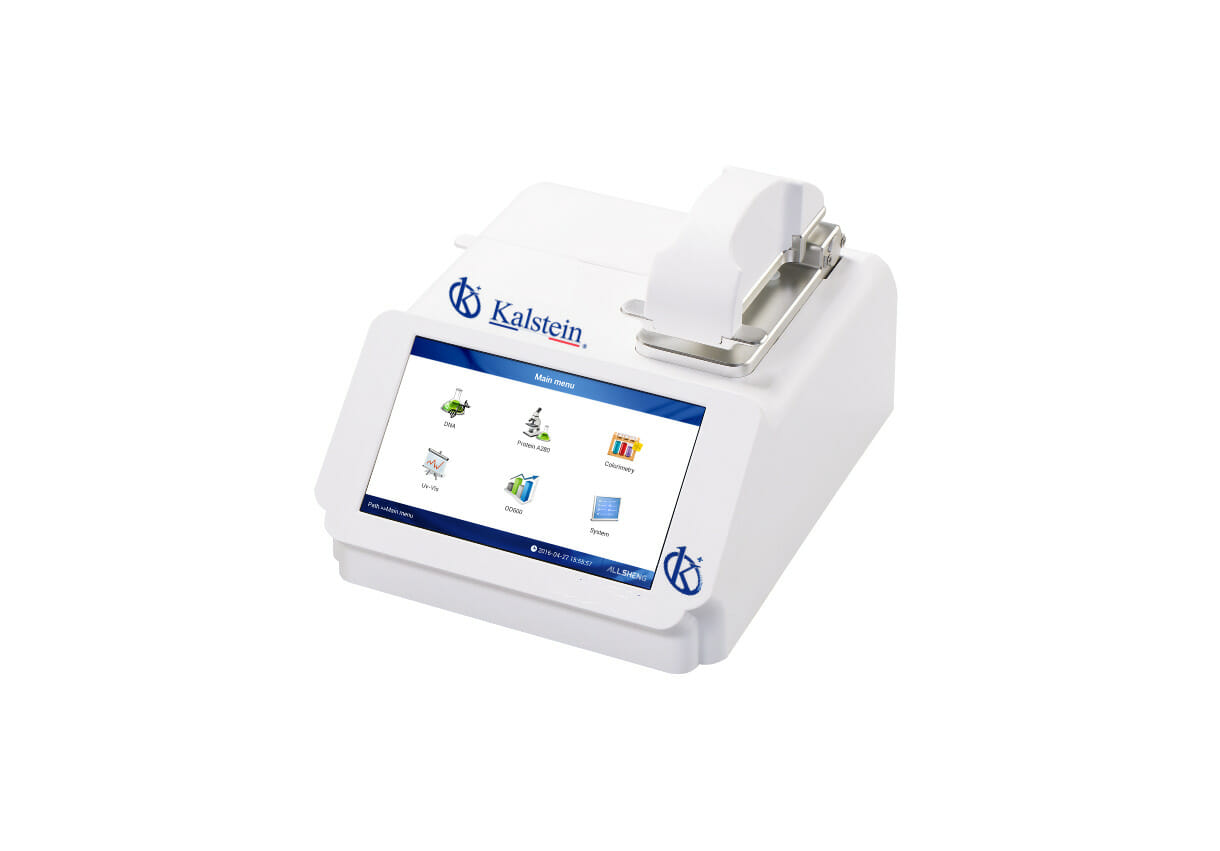
Micro-Spectrophotometers: Practical Applications and Techniques 2026
Micro-Spectrophotometers are essential instruments in laboratories, particularly for the analysis of nucleic acids, proteins, and other biomolecules. This comprehensive guide explores the uses, evolution, and best practices associated with these devices as we navigate the advancements in 2026.
What is it used for in 2026
In 2026, Micro-Spectrophotometers are primarily utilized for assessing the concentration and purity of nucleic acids (DNA and RNA) and proteins. They are vital for researchers in molecular biology, biochemistry, and genetic studies, providing essential data for experiments that require precise quantification of biological samples. Their ability to measure small volumes (as low as 0.5 μl) makes them invaluable in applications where sample conservation is critical.
History and evolution of the technology
The evolution of Micro-Spectrophotometers has been driven by the need for more precise and efficient methods to analyze biomolecules. Early models were bulky and required larger sample sizes. With advancements in technology, the introduction of miniaturized optics and more sensitive detectors has led to modern instruments capable of analyzing micro-volumes. The use of xenon flash lamps and CCD detectors has enhanced the speed and accuracy of measurements, making these instruments a staple in contemporary laboratories.
How to use it step by step
Using a Micro-Spectrophotometer involves several straightforward steps:
- Preparation: Ensure the instrument is calibrated and clean. Turn on the device and allow it to warm up if required.
- Sample Loading: Place the sample on the designated area. For most models, 1-2 μl of sample is adequate.
- Selecting Parameters: Choose the appropriate measurement parameters such as wavelength and type of analysis (e.g., nucleic acid or protein).
- Measurement: Initiate the measurement process. The device will display results after a few seconds.
- Data Analysis: Review the output on the display screen or export the data to a computer for further analysis.
- Cleaning: After measurements, clean the sample area to avoid cross-contamination.
Best techniques and protocols
For optimal results when using Micro-Spectrophotometers, consider the following best techniques:
- Consistent Sample Volume: Always use the minimum sample volume recommended for the model to ensure accuracy.
- Wavelength Calibration: Regularly calibrate the wavelength settings to maintain accuracy, especially if the device is frequently used.
- Blanking: Always perform a blank measurement before analyzing samples to correct for background noise.
- Environmental Conditions: Ensure that the device is used in a controlled environment to prevent fluctuations in readings.
Practical applications by laboratory type
Micro-Spectrophotometers find diverse applications across various types of laboratories:
- Research Laboratories: Used for analyzing nucleic acid concentration and purity in genetic research.
- Clinical Laboratories: Essential for quantifying proteins and nucleic acids in diagnostic testing.
- Biotechnology Firms: Employed in the development and quality control of biopharmaceutical products.
- Academic Institutions: Utilized in educational settings for teaching laboratory techniques and molecular biology concepts.
Regulations, standards and certifications
Laboratories using Micro-Spectrophotometers must adhere to several regulations and standards, including:
- ISO 9001: Ensures quality management systems are in place.
- ISO/IEC 17025: Specifies general requirements for the competence of testing and calibration laboratories.
- Good Laboratory Practices (GLP): Guidelines that ensure the quality and integrity of non-clinical laboratory studies.
Comparison with alternative technologies
While Micro-Spectrophotometers are widely used, other technologies serve similar purposes:
- Fluorometry: Used for the detection of specific nucleic acids or proteins using fluorescent markers but often requires more sample handling.
- Microplate Readers: Suitable for high-throughput applications but generally require larger sample volumes.
- HPLC: Ideal for detailed analysis of proteins and nucleic acids but is more complex and time-consuming.
Comparison of available models
| Model | Best for | Key specs | Recommended use case |
|---|---|---|---|
| YR06033-1 | Quick detection of nucleic acids and proteins | Wavelength: 200-800 nm, Sample Size: 0.5-2.0 μl | Research in molecular biology |
| YR06034 | Basic nucleic acid testing | Wavelength: 260 nm, 280 nm, Sample Size: 1-2 μl | Quality control in clinical labs |
| YR06035 | Advanced nucleic acid and protein analysis | Wavelength: 200-800 nm, Sample Size: 0.5-2.0 μl | Biotechnology applications |
| YR06033 | High precision measurements | Wavelength: 190-1100 nm, Sample Size: 1 μl | Academic research and teaching |
Common mistakes and how to avoid them
Avoid the following pitfalls when using Micro-Spectrophotometers:
- Using Inconsistent Sample Volumes: Always stick to recommended volumes to enhance accuracy.
- Neglecting Calibration: Failing to calibrate can lead to inaccurate results.
- Improper Cleaning: Not cleaning the sample area can lead to contamination and skewed results.
Maintenance, calibration and good practices 2026
Regular maintenance and calibration are crucial for optimal performance:
- Monthly Calibration: Perform scheduled calibration checks to ensure the equipment operates accurately.
- Cleaning Protocol: Follow a routine cleaning schedule, using appropriate solvents for the sample area.
- Software Updates: Keep the device’s software updated for improved functionality and access to new features.
Cost-benefit analysis 2026
Investing in Micro-Spectrophotometers can yield significant returns due to their efficiency and precision. The initial costs might seem high, but the reduction in sample waste, time saved during analyses, and improved accuracy can lead to better research outcomes and increased productivity.
Frequently asked questions
What should I consider when choosing a Micro-Spectrophotometer?
When selecting a Micro-Spectrophotometer, consider the sample volume requirements, the wavelength range, and the types of analyses you plan to conduct. It's also important to assess the instrument's ease of use and data management capabilities.
How can I ensure accurate measurements?
To achieve accurate measurements, always perform blank corrections, use consistent sample volumes, and calibrate your device regularly. Environmental conditions should also be controlled to minimize interference.
What are the common maintenance practices?
Regular cleaning of the sample area, monthly calibration checks, and timely software updates are critical maintenance practices that ensure the longevity and accuracy of your Micro-Spectrophotometer.
Can Micro-Spectrophotometers analyze proteins?
Yes, many Micro-Spectrophotometers are designed to analyze proteins by measuring absorbance at specific wavelengths relevant to protein detection, usually around 280 nm.
What is the advantage of using a Micro-Spectrophotometer over traditional spectrophotometers?
Micro-Spectrophotometers require significantly smaller sample volumes and provide faster results, making them more efficient for contemporary laboratory workflows.
How do I handle samples to avoid contamination?
Always use clean pipette tips and containers when handling samples, avoid touching the sample area with hands, and follow proper lab protocols to minimize contamination risks.
Where can I find the best Micro-Spectrophotometers for my laboratory?
To explore high-quality Micro-Spectrophotometers, request a quote on Kalstein Plus to find a model that fits your laboratory's needs.
If you are looking for a fusion of innovation and quality, you have come to the right place. At Kalstein, we offer you the luxury of exploring our exclusive catalog of laboratory equipment. We manufacture every device to the highest standards of excellence. Our intuitive and seamless online purchasing channels are designed for your convenience, securing the most competitive prices. Hesitate no longer — we bring science to life, it is time to become part of our community.