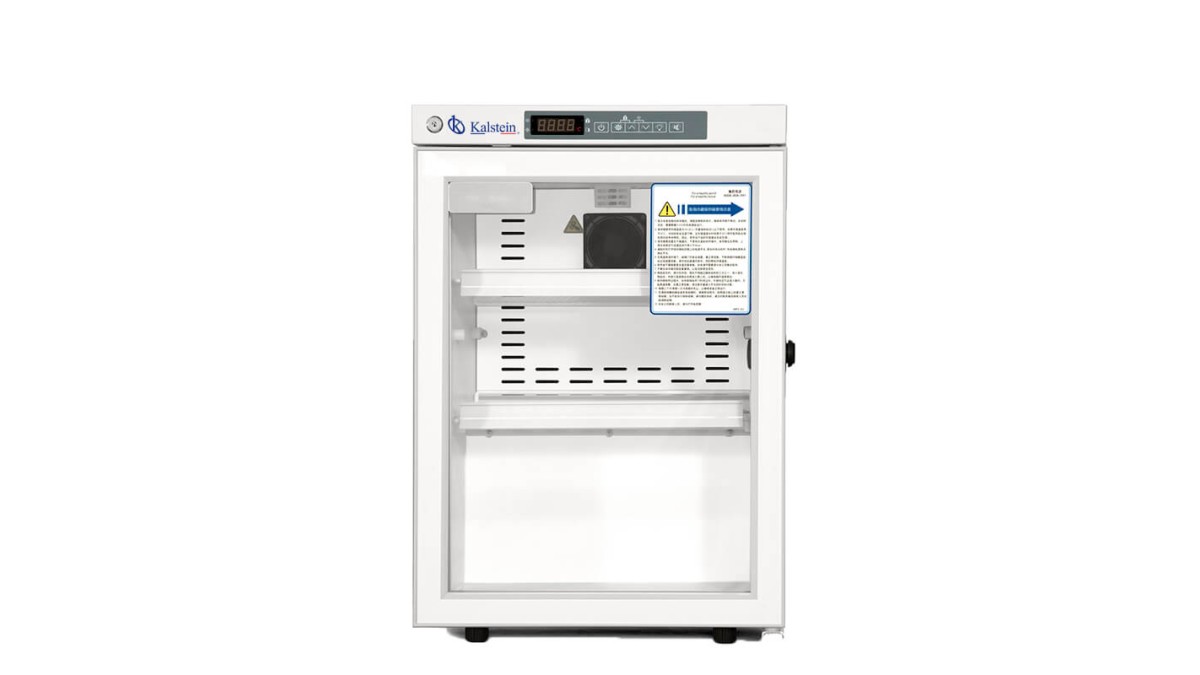
Medical Refrigerators: Practical Applications and Techniques 2026
Medical refrigerators are essential in clinical and hospital laboratories, where safe storage of sensitive materials such as vaccines, pharmaceuticals, and biological samples is crucial. These refrigerators are designed to maintain a stable temperature range, ensuring the integrity of the stored items. In this article, we will explore their applications, best practices for usage, and essential techniques in 2026.
What is it used for in 2026
In 2026, medical refrigerators serve several critical roles in laboratory settings:
- Vaccine Storage: Maintaining the cold chain for vaccines to ensure efficacy.
- Pharmaceutical Storage: Preserving medications that require refrigeration to remain effective.
- Biological Sample Preservation: Safeguarding samples from degradation.
- Clinical Trials: Ensuring that trial materials are stored under strict temperature controls.
History and evolution of the technology
The evolution of medical refrigerator technology has significantly advanced over the years. Early models were basic and often unreliable, leading to risks in material preservation. The introduction of digital controls and alarms has markedly improved reliability. Today, medical refrigerators feature advanced cooling systems, precise temperature monitoring, and improved energy efficiency, allowing for greater safety and effectiveness in laboratory workflows.
How to use it step by step
Using a medical refrigerator effectively involves several critical steps:
- Setup: Place the refrigerator in a stable environment away from external heat sources. Ensure it's level and plugged into a reliable power source.
- Temperature Setting: Set the desired temperature, typically between 2°C and 8°C. Utilize the digital display to monitor the settings.
- Loading: Organize items efficiently within the refrigerator, allowing air circulation while avoiding overcrowding.
- Monitoring: Regularly check the internal temperature and ensure that alarms are functioning properly.
- Documentation: Keep records of temperature logs and maintenance checks to comply with regulatory standards.
Best techniques and protocols
To maximize the efficiency of medical refrigerators, several techniques and protocols should be followed:
- Use calibrated thermometers: Regularly check temperature accuracy with calibrated devices.
- Organize storage: Store materials by type and frequency of use for easy access.
- Do not overload: Avoid overloading to maintain proper airflow.
- Regular maintenance: Schedule routine maintenance for optimal performance and reliability.
Practical applications by laboratory type
Different laboratories utilize medical refrigerators in distinct ways:
Clinical Laboratories:
Used primarily for storing samples, reagents, and vaccines, following strict temperature guidelines.
Pharmaceutical Laboratories:
Critical for storing drugs that have specific temperature requirements to maintain efficacy.
Research Laboratories:
Storage of biological samples and reagents for experiments requiring precise temperature conditions.
Regulations, standards and certifications
Medical refrigerators must comply with various regulations and standards:
- FDA Regulations: Compliance with storage conditions for pharmaceutical products.
- WHO Guidelines: Adhering to temperature control recommendations for vaccines.
- ISO Standards: Following international standards for quality management in laboratories.
Comparison with alternative technologies
Traditional refrigerators and freezers are often compared with medical refrigerators. While standard models may suffice for basic cooling needs, they lack the precision, alarms, and regulatory compliance features essential for medical applications. Medical refrigerators offer reliability that is critical for safeguarding sensitive materials.
Comparison of available models
| Model | Best for | Key specs | Recommended use case |
|---|---|---|---|
| YR05083 | General medical storage | Temperature range: 2-8°C, Power: 72W | Storing vaccines and biological samples |
| YR05085 | Pharmaceutical storage | Temperature range: 2-8°C, Power: 280W | Pharmaceuticals requiring precise temperature control |
| YR05086 | High-capacity storage | Temperature range: 2-8°C, Power: 385W | Storing large quantities of medications |
| YR05087 | Sample preservation | Temperature range: 2-8°C, Power: 425W | Clinical and research sample storage |
| YR05286-1 | Laboratory use | Temperature range: 2-8°C, Power: 480W | Laboratory and pharmacy equipment |
| YR05288 | Pharmaceutical applications | Temperature range: 2-8°C, Power: 560W | Storing cold-chain products |
Common mistakes and how to avoid them
Here are some common mistakes made in using medical refrigerators and how to avoid them:
- Ignoring temperature logs: Always maintain accurate records to ensure compliance.
- Overloading the refrigerator: Limit the load to ensure proper air circulation.
- Neglecting maintenance: Schedule regular checks to prevent equipment failure.
Maintenance, calibration and good practices 2026
To ensure the longevity and effectiveness of medical refrigerators, adhere to these maintenance and calibration practices:
- Regular calibration: Calibrate temperature sensors to ensure accuracy.
- Cleanliness: Regularly clean the interior and ensure that the airflow is not obstructed.
- Alarm checks: Test alarms regularly to ensure they function properly.
Cost-benefit analysis 2026
Investing in a medical refrigerator is cost-effective when considering the potential loss of materials due to inadequate storage. The improved reliability and compliance with regulations offset the initial investment, making them a necessary expense for laboratories ensuring the safety of their products.
Frequently asked questions
How do I choose the right model for my laboratory?
Consider the types of materials you need to store, their volume, and the required temperature range when selecting a medical refrigerator model.
What temperature settings should I maintain?
Typically, medical refrigerators should maintain a temperature between 2°C and 8°C for optimal storage of pharmaceuticals and biological samples.
How often should I perform maintenance on the refrigerator?
Regular maintenance checks should be performed at least quarterly, with more frequent checks if the unit is in heavy use.
What should I do if the temperature alarm goes off?
Immediately check the internal temperature and assess for any issues such as power loss or door seals, and rectify any problems to maintain safe storage conditions.
Can I overload the refrigerator with materials?
It is not advisable to overload the refrigerator, as this can impede airflow and impact temperature stability. Always follow recommended loading guidelines.
How can I ensure compliance with regulations?
Maintain accurate temperature logs, schedule regular maintenance, and ensure that your refrigerator meets specific standards relevant to your laboratory type.
If you are looking for a fusion of innovation and quality, you have come to the right place. At Kalstein, we offer you the luxury of exploring our exclusive catalog of laboratory equipment. We manufacture every device to the highest standards of excellence. Our intuitive and seamless online purchasing channels are designed for your convenience, securing the most competitive prices. Hesitate no longer — we bring science to life, it is time to become part of our community.