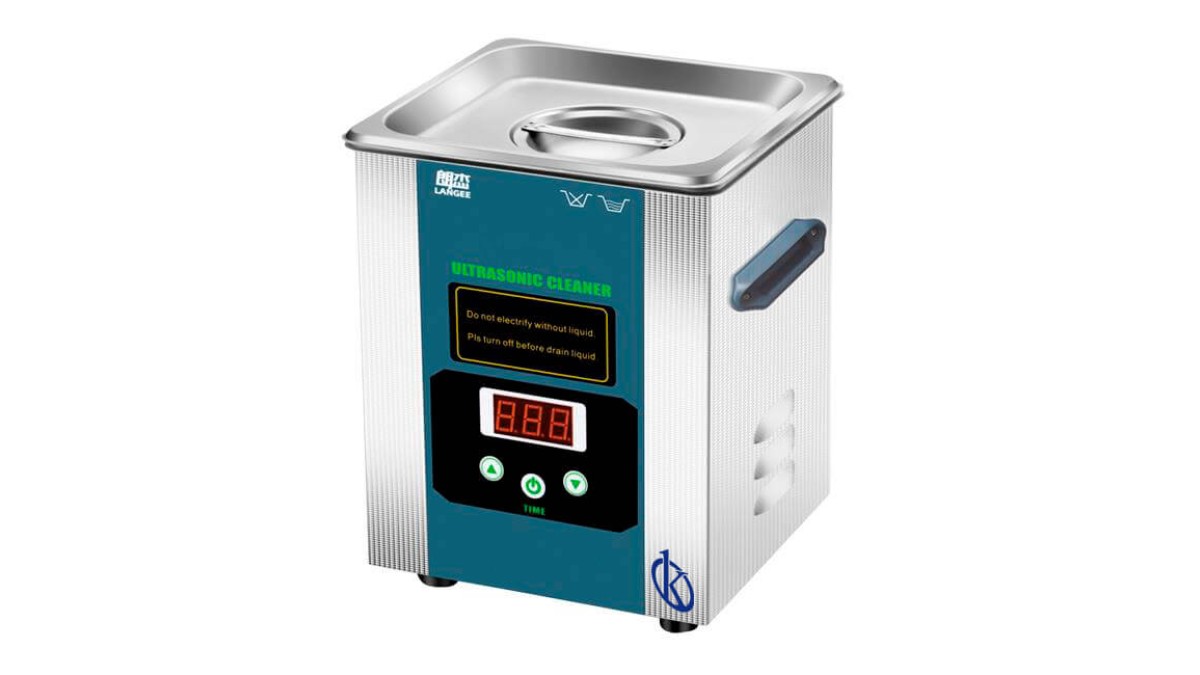
Mechanical Desktop Ultrasonic Cleanser: Applications in Research, Biotechnology, and Academia 2026
What is it used for in 2026
Mechanical Desktop Ultrasonic Cleansers have become essential tools in various laboratory settings, particularly in research, biotechnology, and academia. These devices utilize ultrasonic waves to create microscopic bubbles in a cleaning solution, resulting in a process known as cavitation. The bubbles implode, producing a scrubbing action effective in removing contaminants from surfaces, making these cleansers ideal for delicate items such as laboratory instruments, jewelry, and electronic components.
History and evolution of the technology
The technology behind ultrasonic cleaning dates back to the 1950s when it was first implemented in industrial settings. Over the decades, advancements in microprocessor technology and materials science have led to more compact, efficient, and powerful ultrasonic cleaners suitable for various applications, including laboratory use. Modern devices now come with multiple frequency settings and enhanced heating options, significantly improving their cleaning capabilities and versatility.
How to use it step by step
Using a Mechanical Desktop Ultrasonic Cleanser involves a few straightforward steps:
- Preparation: Gather the items to be cleaned and ensure they are compatible with ultrasonic cleaning.
- Add Cleaning Solution: Fill the tank with an appropriate cleaning solution, typically a mixture of water and a specialized detergent.
- Select Parameters: Set the desired ultrasonic frequency and cleaning time based on the manufacturer's recommendations and the nature of the items being cleaned.
- Place Items: Carefully place the items into the tank, ensuring they are fully submerged but not overcrowded.
- Start the Cleaner: Turn on the device and allow it to run for the programmed duration.
- Rinse and Dry: After the cleaning cycle, remove the items, rinse them with clean water, and dry them properly.
Best techniques and protocols
To maximize the effectiveness of Mechanical Desktop Ultrasonic Cleansers, adhere to these techniques and protocols:
- Choose the Right Frequency: Select a frequency that suits the material of the items being cleaned. Lower frequencies are better for larger, sturdier items; higher frequencies work well with delicate items.
- Use Compatible Cleaning Solutions: Ensure that the cleaning solution is appropriate for the materials of the items to avoid damage.
- Monitor Temperature: Heating the cleaning solution can enhance the cleaning process. However, be cautious not to exceed the recommended temperature for sensitive items.
- Follow Manufacturer Guidelines: Always refer to the manufacturer's instructions for optimal usage and maintenance practices.
Practical applications by laboratory type
Mechanical Desktop Ultrasonic Cleansers are widely used across various types of laboratories:
- Biotechnology Labs: For cleaning glassware and delicate instruments after experiments.
- Medical Labs: Ideal for sanitizing surgical instruments and laboratory tools to ensure sterility.
- Jewelry Manufacturing: Efficiently cleans jewelry parts without risking damage to intricate designs.
- Electronics: Removes flux residues and contaminants from circuit boards and components without physical scrubbing.
Regulations, standards and certifications
When using Mechanical Desktop Ultrasonic Cleansers, it is crucial to comply with relevant regulations and standards, particularly in healthcare and laboratory environments. Ensure that the devices meet certifications such as ISO 9001, which pertains to quality management systems, and ISO 13485 for medical devices. Compliance with safety standards like CE marking and RoHS (Restriction of Hazardous Substances) is also essential for ensuring equipment safety and environmental responsibility.
Comparison with alternative technologies
Mechanical Desktop Ultrasonic Cleansers are often compared with other cleaning methods, such as manual scrubbing and steam cleaning. Below are some comparisons:
- Manual Cleaning: Time-consuming and can lead to physical damage if not carefully executed.
- Steam Cleaning: Effective but may not reach intricate surfaces as thoroughly as ultrasonic cleaning.
- Ultrasonic Cleaning: Provides deep cleaning without physical contact, ideal for fragile items.
Comparison of available models
| Model | Best for | Key specs | Recommended use case |
|---|---|---|---|
| YR05207 | Jewelry and delicate items | 1.3L capacity, 70W power, 40kHz frequency | Cleaning small jewelry pieces and eyewear |
| YR05202 | Laboratory applications | 11L capacity, 240W power, 40/80/120kHz selectable | Cleaning laboratory glassware and instruments |
| YR05203 | Medium-sized laboratory items | 15L capacity, 360W power, 40/80/120kHz selectable | Cleaning electronic components and larger lab tools |
| YR05204 | Large instruments | 20L capacity, 360W power, 40/80/120kHz selectable | Cleaning larger lab equipment |
| YR05205 | Industrial cleaning | 22L capacity, 480W power, 40/80/120kHz selectable | Heavy-duty cleaning tasks in biomedical settings |
| YR05206 | High-capacity cleaning | 30L capacity, 600W power, 40/80/120kHz selectable | Extensive cleaning needs in large labs |
Common mistakes and how to avoid them
Many users encounter pitfalls while operating Mechanical Desktop Ultrasonic Cleansers. Here are some common mistakes and how to avoid them:
- Overloading the Tank: Avoid placing too many items at once; this can hinder cleaning effectiveness. Clean in batches instead.
- Using Incompatible Solutions: Always use the manufacturer's recommended cleaning solution to prevent damage to items.
- Ignoring Maintenance: Regularly clean the tank and check for wear on components to ensure longevity of the device.
Maintenance, calibration and good practices 2026
To maintain the efficiency and longevity of Mechanical Desktop Ultrasonic Cleansers, consider the following good practices:
- Regular Cleaning: After every use, clean the tank to remove residues that could affect future cleaning.
- Calibration: Periodically check and calibrate the device according to the manufacturer's instructions to ensure consistent performance.
- Record Keeping: Maintain logs of usage and maintenance to track performance and identify any potential issues.
Cost-benefit analysis 2026
Investing in a Mechanical Desktop Ultrasonic Cleanser can yield significant cost benefits, particularly in laboratory settings. The initial purchase price can be offset by:
- Increased Efficiency: Faster cleaning cycles save valuable time.
- Reduced Manual Labor: Minimizes the need for manual scrubbing and potential damage to items.
- Enhanced Cleaning Quality: Results in better hygiene and equipment performance, which can prevent costly errors in experiments.
Frequently asked questions
What items can I clean using a Mechanical Desktop Ultrasonic Cleanser?
You can clean various items, including jewelry, laboratory glassware, electronic components, and delicate instruments. Ensure the items are suitable for ultrasonic cleaning to avoid damage.
How often should I perform maintenance on my ultrasonic cleaner?
It is advisable to clean the tank after each use and perform a thorough inspection and calibration at least once a month.
Can I use any cleaning solution in my ultrasonic cleaner?
No, always use cleaning solutions compatible with ultrasonic cleaners as specified by the manufacturer to prevent damage to items.
Is there a risk of damaging delicate items?
When used correctly, with appropriate frequency settings and cleaning solutions, the risk is minimal. However, always test delicate items first.
What is the ideal temperature for cleaning?
The ideal temperature varies depending on the items being cleaned but generally falls between 40°C to 60°C. Always consult the manufacturer's guidelines.
How do I know which model is right for my laboratory?
Choose a model based on your cleaning needs, such as the size of items and the required cleaning capacity. Refer to the comparison table in this guide for help.
Where can I get a quote for purchasing a Mechanical Desktop Ultrasonic Cleanser?
You can request a quote from Kalstein for competitive pricing and exclusive offers on our ultrasonic cleaning devices.
If you are looking for a fusion of innovation and quality, you have come to the right place. At Kalstein, we offer you the luxury of exploring our exclusive catalog of laboratory equipment. We manufacture every device to the highest standards of excellence. Our intuitive and seamless online purchasing channels are designed for your convenience, securing the most competitive prices. Hesitate no longer — we bring science to life, it is time to become part of our community.