How Mechanical Desktop Ultrasonic Cleaners Enhance Energy Sustainability and Reduce Environmental Impact
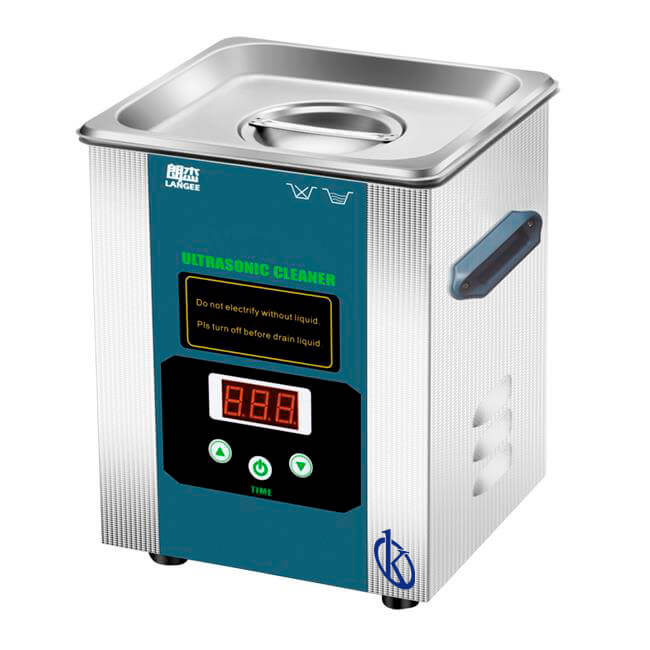
In an era where energy sustainability and environmental responsibility are paramount, the choice of laboratory equipment plays a critical role in minimizing ecological footprints. Mechanical desktop ultrasonic cleaners are increasingly recognized for their efficiency and efficacy in various cleaning applications, from jewelry to laboratory instruments. This article delves into the features of several models, including YR05207, YR05202, and others, to illustrate how they align with energy sustainability goals.
Understanding the Environmental Benefits of Ultrasonic Cleaning
Ultrasonic cleaning utilizes high-frequency sound waves to create microscopic bubbles in a liquid cleaning solution. This process, known as cavitation, allows for thorough cleaning with minimal energy consumption and reduced chemical usage. The transition towards more sustainable practices in laboratories necessitates equipment that can maintain high cleaning standards while reducing energy and resource usage.
Mechanical desktop ultrasonic cleaners excel in this arena by providing powerful cleaning capabilities without the need for harsh chemicals. For example, models like YR05202 and YR05203 use adjustable frequencies of 40, 80, and 120 kHz, making them versatile for various cleaning tasks without compromising on energy efficiency. Such adaptability allows laboratories to optimize operations while adhering to sustainability principles.
Energy Consumption and Efficiency
Energy consumption is a critical factor when evaluating laboratory equipment. Mechanical desktop ultrasonic cleaners typically operate at a power range of 70 to 600 watts, depending on the model. For instance, the YR05207 operates at 70W, while the YR05206 uses 600W for more extensive cleaning tasks. Despite the variation in power usage, the overall energy efficiency can be measured in terms of the cleaning volume achieved per kilowatt-hour (kWh).
To effectively assess the energy efficiency of these models, it's useful to examine their energy consumption per cleaning cycle. With appropriate configurations, ultrasonic cleaners can reduce run times, leading to lower overall energy use. This contributes to lower operational costs and a smaller carbon footprint.
Water and Reagent Conservation
The use of ultrasonic cleaners such as the YR05205 and YR05206 not only minimizes energy usage but also conserves water and cleaning reagents. Traditional cleaning methods often require significant amounts of water and harsh chemicals, resulting in higher waste production. In contrast, ultrasonic cleaning systems use a fraction of the water required for manual cleaning processes.
For example, the YR05202 model can handle large volumes (up to 30 liters), allowing for effective cleaning with minimal water use. Implementing ultrasonic cleaners can significantly reduce water consumption, aligning with sustainability goals and contributing to the preservation of vital water resources.
Sustainability Certifications and Standards
Many laboratories seek to comply with sustainability certifications and standards, such as ENERGY STAR and EPEAT. These standards ensure that equipment meets rigorous energy efficiency criteria. While ultrasonic cleaners may not always be labeled with these certifications, evaluating their energy consumption and operational efficiencies can provide insights into their alignment with sustainable practices.
Models like YR05203, with adjustable settings and lower wattage, can help your laboratory meet various sustainability standards without sacrificing cleaning performance. Selecting equipment that promotes energy efficiency will not only support compliance with sustainability initiatives but also enhance the lab's operational efficiencies.
Comparison of Available Models
| Model | Power (W) | Tank Capacity (L) | Frequency (kHz) | Best For |
|---|---|---|---|---|
| YR05207 | 70 | 1.3 | 40 | Jewelry and delicate items |
| YR05202 | 240 | 11 | 40/80/120 | Laboratories and medical use |
| YR05203 | 360 | 15 | 40/80/120 | Medium-sized parts |
| YR05204 | 360 | 20 | 40/80/120 | Heavy-duty cleaning tasks |
| YR05205 | 480 | 22 | 40/80/120 | General cleaning |
| YR05206 | 600 | 30 | 40/80/120 | High-capacity cleaning |
Common Mistakes and How to Avoid Them
When implementing ultrasonic cleaning technology in laboratories, there are several common pitfalls that can undermine efficiency and sustainability goals. One prevalent mistake is neglecting to select the appropriate frequency for the material being cleaned. Each ultrasonic cleaner model offers varying frequency options, such as the YR05202's 40/80/120 kHz. It is essential to choose the right frequency based on the size and type of the object to achieve optimal cleaning performance.
Another frequent error is using excessive cleaning solutions. Many operators mistakenly believe that more solution leads to better results, but this can result in wasted materials and increased environmental impact. A focused approach, utilizing only the necessary amount of cleaning liquid, can significantly enhance sustainability.
Frequently Asked Questions
How do mechanical desktop ultrasonic cleaners reduce environmental impact in laboratories?
Mechanical desktop ultrasonic cleaners, like YR05202, reduce environmental impact by using less water and fewer harsh chemicals compared to traditional cleaning methods. With adjustable frequencies, they can effectively clean various materials, thus enhancing energy efficiency and minimizing waste.
What is the energy consumption of the YR05206 ultrasonic cleaner?
The YR05206 model operates at 600 watts and is designed for high-capacity cleaning tasks. Its energy-efficient design allows it to perform effectively while contributing to reduced overall energy consumption in the laboratory.
Which ultrasonic cleaner is best for delicate items like jewelry?
The YR05207 ultrasonic cleaner is specifically designed for delicate items like jewelry. It operates at 70W and utilizes 40kHz frequency, ensuring thorough cleaning without damaging fragile surfaces.
How does ultrasonic cleaning contribute to sustainability in laboratory practices?
Ultrasonic cleaning contributes to sustainability by using significantly less water and chemicals, as seen in models like YR05205. This technology also enhances energy efficiency, thereby reducing the environmental footprint of laboratory operations.
What are the key features of the YR05202 ultrasonic cleaner for laboratory use?
The YR05202 model features a capacity of 11 liters and operates at multiple frequencies (40/80/120 kHz). This makes it suitable for various cleaning tasks in laboratories while maintaining energy efficiency.
Can ultrasonic cleaners help laboratories meet energy sustainability standards?
Yes, ultrasonic cleaners like YR05203 can help laboratories meet energy sustainability standards by providing efficient cleaning solutions that consume less energy and reduce chemical usage, thus supporting overall environmental goals.
What is the optimal frequency for general cleaning tasks with ultrasonic cleaners?
The optimal frequency for general cleaning tasks typically ranges around 40 kHz, as offered by models like YR05204. This frequency balances effective cleaning with material safety, ensuring thorough results without damage.
How can I integrate ultrasonic cleaners into a sustainability-focused laboratory practice?
Integrating ultrasonic cleaners, such as the YR05206, into sustainability-focused practices involves optimizing their use to minimize water and chemical consumption while maximizing energy efficiency. Training staff on proper usage can further enhance these efforts.
If you are looking for a fusion of innovation and quality, you have come to the right place. At Kalstein, we offer you the luxury of exploring our exclusive catalog of laboratory equipment. We manufacture every device to the highest standards of excellence. Our intuitive and seamless online purchasing channels are designed for your convenience, securing the most competitive prices. Hesitate no longer — we bring science to life, it is time to become part of our community.