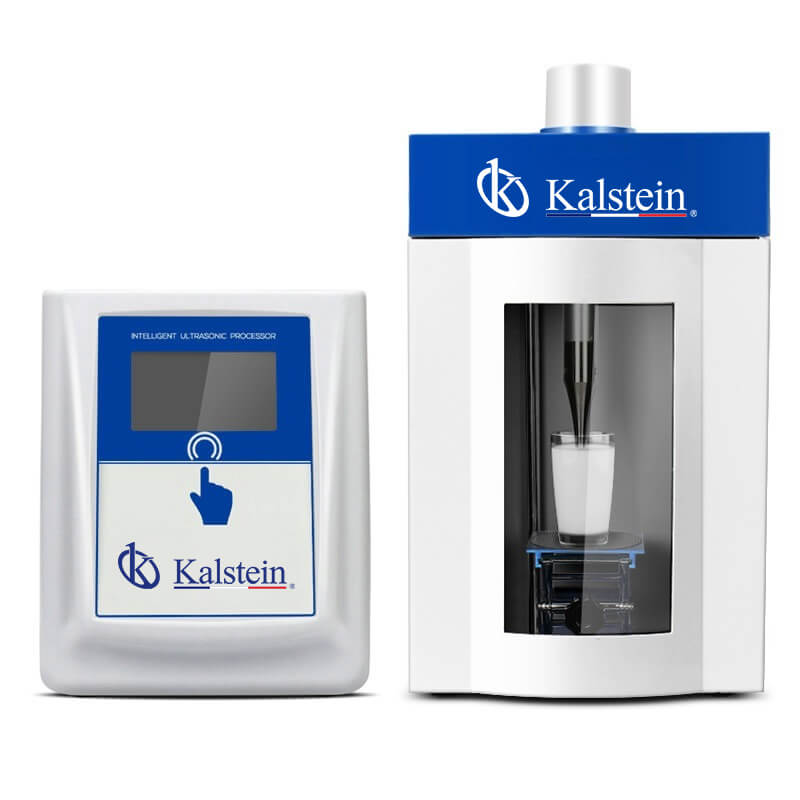
Understanding Measurement Interpretation with the YR05836 Ultrasonic Homogenizer Processor
The YR05836 Ultrasonic Homogenizer Processor represents a pinnacle of technology in liquid processing applications. As a versatile tool, it is essential to not only operate this equipment but also understand the nuances of reading its measurements accurately for successful outcomes in your laboratory tasks. This article aims to dissect the process of interpreting measurement results associated with the YR05836, ensuring operators can maximize its potential effectively.
Overview of the YR05836 Ultrasonic Homogenizer Processor
The YR05836 serves multiple functions such as cell disruption, emulsification, and homogenization. Understanding how to interpret the readings from this device is critical for ensuring accurate results in experiments across various fields, including biochemistry, microbiology, and chemical engineering. The device employs ultrasonic waves to create cavitation effects in liquids, which aids in processing and analysis.
Technical Specifications of the YR05836
| Model | Frequency (KHZ) | Max Power (W) | Amplitudes (φ mm) | Included Probes | Capacity (L) | Power Supply (V) | Temperature Control |
|---|---|---|---|---|---|---|---|
| YR05836 | 20-25 | 1800 | 2,3,6,10,12,15,22,25,28 | 6,10,15,22,25 | 0.2-1200 | 220/110 | No |
Interpreting Measurement Results from the YR05836
Understanding the display output from the YR05836 is fundamental for effective use. Key measurements include power level, amplitude settings, and duration of processing. Operators must be able to correlate these measurements with expected outcomes, such as particle size reduction or emulsification efficiency. This section will guide users through the significance of each measurement, along with best practices for reading results.
Key Measurements Explained
The primary readings to interpret include:
- Power Level: Indicates the energy output during processing, directly affecting sample processing efficiency.
- Amplitude: Reflects the intensity of the ultrasonic waves. Higher amplitudes often lead to more effective homogenization.
- Processing Time: Critical for achieving the desired outcome without overheating samples.
Common Misinterpretations
Operators may misinterpret measurement results due to a lack of familiarity with the device. For example, confusing amplitude settings can lead to insufficient processing or damage to sensitive samples. It is essential to consult the user manual and understand what each setting means in terms of practical application.
Best Practices for Accurate Measurement Interpretation
To ensure accurate measurement interpretation while using the YR05836, consider the following best practices:
- Consistently calibrate the device to confirm measurement accuracy.
- Document the parameters used for each processing session, and review outcomes for patterns.
- Utilize control samples to compare results and validate reading accuracy.
Potential Measurement Errors and Troubleshooting
Despite following best practices, errors can occur. Here is a summary of common errors associated with the YR05836, their probable causes, and solutions:
| Symptom | Cause | Solution |
|---|---|---|
| Inconsistent Results | Improper calibration | Re-calibrate the device according to the user manual |
| Error Code E-03 | Overheating | Allow device to cool down; check the ambient temperature |
| Power Fluctuations | Supply voltage issues | Examine electrical supply; use a stabilizer if necessary |
Frequently Asked Questions
How can I ensure my YR05836 is calibrated correctly?
Calibration should be performed regularly and verified against known standards. Follow the manufacturer’s recommendations for calibration intervals.
What are the consequences of incorrect amplitude settings?
Incorrect amplitude settings can lead to insufficient processing of samples or potential damage to sensitive materials, affecting the quality of your results.
What common mistakes should I avoid when using the YR05836?
Common mistakes include neglecting proper calibration, using incompatible samples, and failing to monitor processing times adequately.
How do I interpret the error codes displayed on the YR05836?
Refer to the user manual for a comprehensive list of error codes and their meanings. Each code corresponds to specific operational issues that may require attention.
What types of samples can I process with the YR05836?
The YR05836 is designed to process a variety of biological and chemical samples, including cell suspensions, emulsions, and suspensions with varying viscosities.
How long can the YR05836 run continuously?
The YR05836 can run for extended periods, but it is advisable to monitor the temperature and performance to prevent overheating and ensure optimal operation.
Is it possible to use different probes with the YR05836?
Yes, the YR05836 is compatible with various probes, allowing adjustments based on sample volume and processing requirements.
If you are looking for a fusion of innovation and quality, you have come to the right place. At Kalstein, we offer you the luxury of exploring our exclusive catalog of laboratory equipment. We manufacture every device to the highest standards of excellence. Our intuitive and seamless online purchasing channels are designed for your convenience, securing the most competitive prices. Hesitate no longer — we bring science to life, it is time to become part of our community.