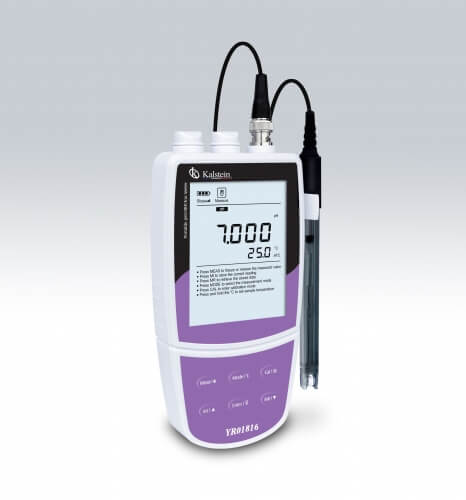
Understanding Measurement Interpretation with the YR01817-13 Portable Ammonium Ion Meter
The YR01817-13 Portable Ammonium Ion Meter is a professional instrument designed for outdoor applications. With an accuracy of ± 0.5% Full Scale (FS), this device is equipped to provide precise readings in various environments. Accurate interpretation of results and understanding measurement techniques are crucial for professionals relying on this technology. This article delves into the key features, proper usage, and the interpretation of data for the YR01817-13, ensuring users can maximize the potential of this advanced equipment.
Features of the YR01817-13
The YR01817-13 has several features that enhance its usability and accuracy:
- Backlit LCD Display: This ensures readability in various lighting conditions.
- Multi-Point Calibration: Users can calibrate from two to five points, selecting from eight concentration points ranging from 0.001 to 10,000 ppm.
- Automatic Temperature Compensation: This feature ensures accurate readings across a wide range of temperatures, enhancing the reliability of results.
- Direct Concentration Readings: Simplifies the measurement process by displaying ion concentration directly.
- Memory Storage: The device can store up to 500 sets of data, allowing for extensive data collection and review.
- USB Communication Interface: Facilitates data transfer, enhancing connectivity and usability.
Technical Specifications of the YR01817-13
| Specification | Details |
|---|---|
| Model | YR01817-13 |
| Concentration Range | 5 × 10⁻⁶ to 1 M, 0.1 to 18,000 ppm |
| Resolution | 0.001, 0.01, 0.1, 1 |
| Accuracy | ± 0.5% FS |
| Calibration Points | 2 to 5 points |
| Measurement Units | ppm, mg / L, mol / L, mmol / L |
| Temperature Range | 0 to 105 °C (32 to 221 °F) |
| Power Supply | 3 AA batteries or DC 5V adapter |
| Weight | 300g |
| Dimensions | 170 × 85 × 30 mm |
Interpreting Results from the YR01817-13
Proper interpretation of results from the YR01817-13 involves understanding the displayed data, units of measurement, and their significance in various applications. The device displays concentrations in ppm, mg/L, or mol/L, depending on the user’s configuration preferences. To ensure accurate readings, users must consider the following:
- Understanding Units: Familiarize yourself with the measurement units to interpret data effectively. For instance, ppm (parts per million) indicates the concentration of ammonium ions in a sample, which is critical in environmental monitoring and agricultural applications.
- Normal Ranges: Establish baseline readings for specific applications to determine what constitutes normal vs. elevated levels of ammonium ions. This is particularly important in water quality assessments.
- Error Bars: Be aware of the potential error margins indicated by the meter, which can influence data interpretation.
- Common Misinterpretations: Educate yourself on common pitfalls, such as assuming all readings are valid without proper calibration or comparing results across different measurement systems without accounting for calibration differences.
Best Practices for Using the YR01817-13
To maximize the effectiveness and accuracy of the YR01817-13, users should adhere to the following best practices:
- Regular Calibration: Ensure the meter is calibrated correctly before each use, especially when measuring critical samples.
- Temperature Control: Maintain the meter and samples at stable temperatures to avoid fluctuation in readings due to thermal effects.
- Sample Preparation: Prepare samples properly by filtering and avoiding contamination to ensure accurate readings.
- Data Management: Regularly download and analyze stored data to monitor trends and deviations, enhancing decision-making processes.
- Cleaning and Maintenance: Follow manufacturer recommendations for cleaning the probe and maintaining the meter to prolong lifespan and accuracy.
Site Conditions for Optimal Performance
Understanding the environmental factors that impact the YR01817-13’s performance is essential. Here are recommended site conditions:
- Temperature: Operate the device within the specified temperature range (0 to 105 °C) to maximize function.
- Humidity: Avoid excessive humidity levels that could affect electronic components and readings.
- Clearance and Ventilation: Ensure adequate space around the device to prevent overheating and maintain operational efficiency.
- Electrical Supply: Use a consistent power source to avoid fluctuations that could lead to erroneous readings.
Sector Adaptations for the YR01817-13
The YR01817-13 is versatile and can be adapted for use in various sectors:
Clinical Applications
In clinical settings, the YR01817-13 is used primarily for testing water used in laboratory processes, ensuring compliance with health regulations.
Industrial Applications
Industries utilize the meter for quality control in processes where ammonium levels must be monitored, especially in wastewater management.
Environmental Monitoring
Environmental scientists employ the YR01817-13 for assessing the quality of natural water sources and agricultural runoff.
Educational Use
In educational institutions, the meter serves as an excellent tool for teaching students about ion concentration and its effects on various environments.
Frequently Asked Questions
How does the YR01817-13 measure ammonium ion concentration?
The YR01817-13 uses a specific ion electrode that responds to ammonium ions in solution. The electrode generates a voltage proportional to the concentration of ammonium ions, which the meter then converts into a readable concentration value.
What calibration procedures are recommended for the YR01817-13?
It is recommended to calibrate the YR01817-13 using at least two points within the expected measurement range. Use calibration solutions with known concentrations to ensure accuracy.
What are the common errors when using the YR01817-13?
Common errors include improper calibration, contamination of samples, and not allowing sufficient time for temperature stabilization. Ensuring proper handling and following operational protocols can mitigate these errors.
Can the YR01817-13 be used in high-temperature environments?
Yes, the YR01817-13 is designed to operate within a temperature range of 0 to 105 °C. However, extreme temperatures outside this range may lead to inaccurate readings or damage to the device.
How do I store data collected with the YR01817-13?
The device can store up to 500 sets of data which can be transferred via a USB connection. Regularly download and archive this data to prevent loss.
What should I do if the YR01817-13 displays an error code?
Consult the user manual for specific error codes and troubleshooting steps. Common issues may relate to calibration, connectivity, or temperature control.
Conclusion and Call to Action
If you are looking for a fusion of innovation and quality, you have come to the right place. At Kalstein, we offer you the luxury of exploring our exclusive catalog of laboratory equipment. We manufacture every device to the highest standards of excellence. Our intuitive and seamless online purchasing channels are designed for your convenience, securing the most competitive prices. Hesitate no longer — we bring science to life, it is time to become part of our community.