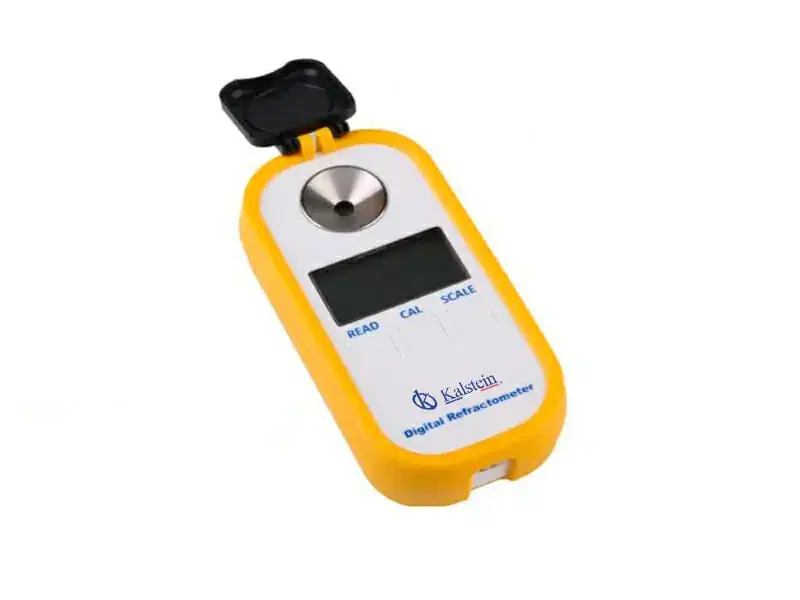
Maximizing ROI with Digital BRIX+ Salinity Refractometers: A Cost-Benefit Analysis for Laboratories
Digital BRIX+ Salinity Refractometers are crucial tools for laboratories that require accurate measurements of soluble solids and salinity in various solutions. Understanding the return on investment (ROI) and conducting a thorough cost-benefit analysis is essential for lab managers and professionals aiming to optimize their operations and spending. This article delves into the various models available, providing a comprehensive comparison while emphasizing the financial implications associated with their use.
Understanding the Importance of ROI in Laboratory Equipment
Return on investment (ROI) is a financial metric that is vital for evaluating the efficiency of an investment compared to its cost. In laboratory settings, choosing the right equipment can significantly influence operational costs and productivity. Digital BRIX+ Salinity Refractometers, such as the YR05961, YR05962, YR05963, YR05964, and YR05965, offer various features that can affect overall profitability. By analyzing their initial purchase prices, operating costs, and output efficiency, laboratories can ensure they invest wisely.
Key Features Affecting Cost-Benefit Analysis
When considering the ROI for Digital BRIX+ Salinity Refractometers, it is essential to evaluate features like measurement range, precision, and automatic temperature compensation (ATC). For instance, the YR05961 model measures Brix values from 0-50% with a precision of ±0.2%, while the YR05962 measures salinity from 0-280‰. Each model has its distinct advantages that might align with particular laboratory needs, thereby affecting the overall cost-benefit evaluation.
Comparison of Available Models
| Model | Measurement Range | Minimum Division | Precision | ATC | Ideal Laboratory Scenario |
|---|---|---|---|---|---|
| YR05961 | 0-50% Brix | 0.10% | ±0.2% | Yes | Fruit juice production |
| YR05962 | 0-280‰ Salinity | 0.10% | ±0.2% | Yes | Saltwater testing |
| YR05963 | 0-280‰ Salinity | 1‰ | ±2‰ | Yes | Marine biology studies |
| YR05964 | 1.000-1.217 Density | 0.001 | ±0.002 | Yes | Density measurements in laboratories |
| YR05965 | 1.3330-1.4200nD Refractive Index | 0.0001nD | ±0.0003nD | Yes | Optical measurements |
Cost Analysis: Initial Investment vs. Operating Costs
The initial investment for Digital BRIX+ Salinity Refractometers varies slightly across models, but their operating costs can significantly differ based on usage. For instance, the purchase price for each model is relatively affordable, around $76. However, analyzing consumables and maintenance requirements is essential for a thorough cost analysis.
Quantifying ROI: Payback Period and Financial Metrics
Calculating the payback period for laboratory equipment like Digital BRIX+ Salinity Refractometers involves comparing the investment costs to the savings generated from improved accuracy and efficiency. For example, if a laboratory saves $300 annually by avoiding inaccurate measurements, the payback period for a $76 investment is calculated as about 4 months.
Common Mistakes and How to Avoid Them
Lab managers often overlook details such as calibration frequency, which can greatly impact both ROI and measurement accuracy. Failing to perform regular calibration on models like the YR05961 can lead to inconsistent results, thus affecting lab reputation and financial performance. Additionally, not training staff properly on each model's features can result in misused equipment and wasted resources.
Understanding Calibration and Maintenance for Optimal Performance
Maintaining accurate measurements through regular calibration is crucial for Digital BRIX+ Salinity Refractometers. Each model should follow a calibration schedule based on the manufacturer's recommendations, typically every few months or after significant usage. This helps to ensure precision and reliability, which are essential for cost-effective operations in a laboratory setting.
Frequently Asked Questions
How can Digital BRIX+ Salinity Refractometers improve cost efficiency in laboratories?
Digital BRIX+ Salinity Refractometers like the YR05961 help improve cost efficiency by providing precise measurements that reduce waste and re-testing. Accurate Brix readings can lead to better product quality, resulting in cost savings over time.
What is the expected payback period for investing in a Digital BRIX Refractometer?
The expected payback period for a Digital BRIX Refractometer, such as the YR05962, is typically around 4 months, given the savings on consumables and improved measurement accuracy that enhance overall productivity in the lab.
Why is automatic temperature compensation important for refractometers?
Automatic Temperature Compensation (ATC) is crucial for refractometers, including the YR05963, as it ensures that readings remain accurate across a range of temperatures. This leads to more reliable data, reducing the need for retesting and associated costs.
Which model is best for measuring salinity in marine biology studies?
The YR05963 model is ideal for measuring salinity in marine biology studies, offering reliable readings with a range of 0-280‰ salinity and automatic temperature compensation. This precision is crucial for accurate scientific research.
How do I ensure my Digital BRIX Refractometer remains accurate over time?
Regular calibration and maintenance are essential to ensuring accuracy over time for your Digital BRIX Refractometer, like the YR05964. Following a strict calibration schedule according to the manufacturer's guidelines will help maintain its performance.
What factors should I consider when choosing a Digital BRIX Refractometer?
When choosing a Digital BRIX Refractometer, consider factors like measurement range, precision, and the specific applications in your lab. For instance, the YR05965 is suitable for applications requiring refractive index measurements alongside Brix and salinity calculations.
How does the cost of Digital BRIX+ Salinity Refractometers compare with traditional methods?
Digital BRIX+ Salinity Refractometers, such as the YR05961, generally offer lower costs per test and higher accuracy compared to traditional methods, which can be labor-intensive and error-prone. This cost-effectiveness makes them favorable for modern laboratory environments.
If you are looking for a fusion of innovation and quality, you have come to the right place. At Kalstein, we offer you the luxury of exploring our exclusive catalog of laboratory equipment. We manufacture every device to the highest standards of excellence. Our intuitive and seamless online purchasing channels are designed for your convenience, securing the most competitive prices. Hesitate no longer — we bring science to life, it is time to become part of our community.