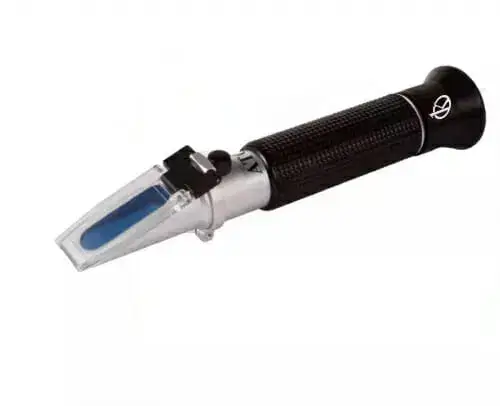
Maximizing ROI and Cost-Benefit Analysis for Wine Refractometers
In the realm of laboratory equipment for wine analysis, refractometers play a crucial role in providing accurate measurements of sugar concentration, alcohol content, and other important parameters. However, the financial aspects of these devices, particularly ROI and cost-benefit analysis, are often overlooked. This article delves into how laboratory professionals can maximize their investment in wine refractometers, ensuring that every dollar spent translates into value and efficiency.
Understanding ROI in Laboratory Equipment
Return on Investment (ROI) is a critical metric that laboratory managers must understand when investing in equipment like wine refractometers. ROI not only considers the initial purchase price but also factors in operational costs, maintenance, and the overall impact on laboratory productivity. For instance, a refractometer that provides accurate results quickly can reduce testing time, thereby increasing throughput and reducing labor costs.
Cost-Benefit Analysis Framework
A well-structured cost-benefit analysis allows laboratories to compare the financial pros and cons of different refractometer models. This involves identifying direct costs (purchase price, maintenance) and indirect costs (time savings, increased accuracy leading to fewer retests). By quantifying these factors, laboratories can make informed decisions about which model offers the best overall value.
Comparison of Available Models
| Model | Price (USD) | Measurement Range | Accuracy | Best For |
|---|---|---|---|---|
| YR05931 | 10.00 | 0-80% v/v | ±1% v/v | Basic alcohol measurement |
| YR05932 | 9.50 | 0-25% Vol, 0-40% Brix | ±0.2% Vol, ±0.2% Brix | Wine fermentation analysis |
| YR05933 | 10.00 | 0-25% Vol, 0-170° Oe | ±0.2% Vol, ±1° Oe | Advanced sugar and acidity analysis |
| YR05934 | 9.50 | 0-20° Baume, 0-25% Vol | ±0.2° Baume, ±0.2% Vol | Sweetness and density evaluation |
| YR05935 | 9.50 | 0-25% Vol, 0-40% Brix | ±0.2% Vol, ±0.2% Brix | Cost-effective general analysis |
| YR05936 | 10.00 | 0-25% Vol, 0-40% Brix | ±0.2% Vol, ±0.2% Brix | High reliability for frequent testing |
Maximizing Throughput and Reducing Operational Costs
To achieve a significant return on investment, it is essential to select a refractometer model that not only fits the laboratory needs but also enhances productivity. For example, model YR05932 with its dual scale capability for measuring both alcohol and Brix can streamline processes, allowing laboratories to handle samples more efficiently. This efficiency translates into lower operational costs and better ROI.
Common Mistakes and How to Avoid Them
Laboratories often make the mistake of choosing refractometers based solely on initial cost without considering long-term value. It is crucial to evaluate total cost of ownership, which includes maintenance, calibration, and operational efficiency. Additionally, overlooking the importance of temperature compensation can lead to inaccurate results, impacting both financial and operational performance.
Future Trends in Wine Analysis Technology
The field of wine analysis is evolving with advancements in technology. Future refractometers may integrate smart technology, enabling real-time data analytics and connectivity with LIMS (Laboratory Information Management Systems), further enhancing productivity and ROI. Laboratories should keep an eye on these trends to stay competitive and ensure they are utilizing the best tools available.
Frequently Asked Questions
What is the average ROI for wine refractometers in laboratory settings?
The average ROI for wine refractometers can vary, but models like YR05932, which offer dual measurement capabilities, typically provide a payback period of around 6 to 12 months due to increased efficiency and reduced testing times.
How can I calculate the cost per test for a wine refractometer?
To calculate the cost per test for a wine refractometer, divide the total operational costs (including purchase price, maintenance, and consumables) by the number of tests performed annually. For instance, with model YR05933, efficient operation can lower costs significantly.
Which model is best for reducing reagent waste in wine testing?
Model YR05934 is particularly effective for reducing reagent waste in wine testing due to its precise measurements and ability to handle multiple tests efficiently, ensuring minimal resource consumption and maximizing ROI.
What calibration standards should be used for wine refractometers?
For optimal accuracy, wine refractometers like YR05932 should be calibrated using certified sugar solutions that match the measurement range, ensuring compliance with industry standards and enhancing reliability of results.
How often should wine refractometers be maintained for optimal performance?
It is recommended to maintain wine refractometers, such as the YR05936, at least every six months, including cleaning and recalibrating to uphold accuracy and extend the lifespan of the device.
What are the benefits of using a refractometer with automatic temperature compensation (ATC)?
Using a refractometer with ATC, like model YR05932, ensures accurate readings regardless of temperature fluctuations, which is crucial in laboratory environments where temperature can vary, thus maintaining reliability in results.
How do I choose the right refractometer for my laboratory needs?
Choosing the right refractometer involves assessing your specific testing requirements and expected throughput. For general wine analysis, the YR05931 offers a cost-effective solution, while more specialized tasks may benefit from the capabilities of the YR05933.
If you are looking for a fusion of innovation and quality, you have come to the right place. At Kalstein, we offer you the luxury of exploring our exclusive catalog of laboratory equipment. We manufacture every device to the highest standards of excellence. Our intuitive and seamless online purchasing channels are designed for your convenience, securing the most competitive prices. Hesitate no longer — we bring science to life, it is time to become part of our community.