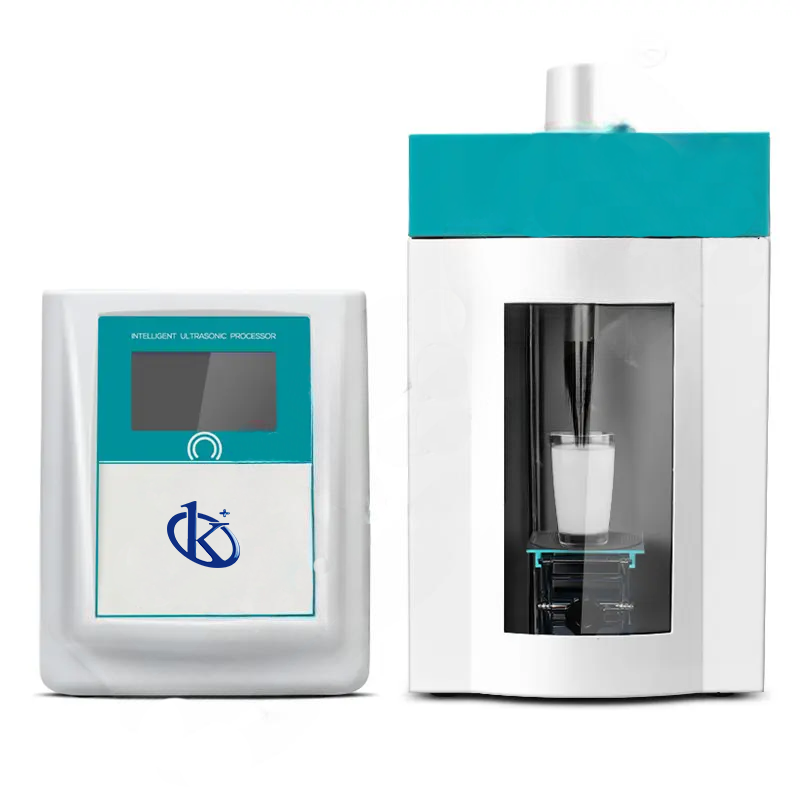
Maximizing ROI and Cost-Benefit Analysis for Ultrasonic Homogenizers
In the ever-evolving landscape of laboratory equipment, ultrasonic homogenizers stand out for their efficiency in sample preparation and processing. Laboratory professionals are increasingly focused on optimizing return on investment (ROI) and conducting thorough cost-benefit analyses (CBA) to ensure that their equipment purchases yield the best returns. This article delves into the specific metrics and considerations that laboratory managers should take into account when evaluating ultrasonic homogenizers.
Understanding the Importance of ROI and Cost-Benefit Analysis
ROI is a critical metric that helps laboratories assess the profitability of their investments. A clear understanding of cost-benefit analysis enables labs to compare different equipment options based on quantitative and qualitative factors. Specifically, when it comes to ultrasonic homogenizers, calculating direct costs such as purchase price, maintenance, and consumables is essential to determine long-term value.
Key Considerations for ROI in Ultrasonic Homogenizers
When evaluating ultrasonic homogenizers, several factors must be considered to calculate ROI effectively:
- Initial Investment: The upfront cost of the homogenizer, including any additional accessories or software.
- Operational Costs: Ongoing expenses related to energy consumption, consumables, and maintenance services.
- Throughput Efficiency: The number of samples processed per hour, which can significantly affect overall productivity.
- Recovery of Investment: The time taken to recover the initial investment through savings and increased productivity.
Operational Cost Breakdown for Ultrasonic Homogenizers
It is vital to establish a comprehensive understanding of operational costs associated with ultrasonic homogenizers. Below is a detailed cost analysis for each model:
| Model | Initial Cost (USD) | Annual Operating Cost (USD) | Cost Per Sample (USD) | Expected Lifespan (Years) |
|---|---|---|---|---|
| YR05015 | 756.00 | 150.00 | 0.75 | 5 |
| YR05016 | 882.00 | 180.00 | 0.90 | 5 |
| YR05017 | 1050.00 | 200.00 | 1.00 | 5 |
| YR05018 | 1281.00 | 250.00 | 1.25 | 5 |
| YR05019 | 1785.00 | 300.00 | 1.50 | 5 |
| YR05020 | 2058.00 | 350.00 | 1.75 | 5 |
Maximizing Throughput with Ultrasonic Homogenizers
Throughput is a critical aspect of laboratory efficiency. Ultrasonic homogenizers can significantly enhance sample processing capabilities, allowing labs to process more samples in less time. The ability to adjust power settings from 1% to 100% makes these devices versatile for different sample types.
Comparison of Available Models
| Model | Power (W) | Mixing Capacity (ml) | Best For | ROI Factors |
|---|---|---|---|---|
| YR05015 | 150 | 150 | Small sample volumes | Low cost, efficient output |
| YR05016 | 250 | 300 | Moderate volume tasks | Balanced cost and output |
| YR05017 | 650 | 500 | High volume homogenization | High efficiency, good ROI |
| YR05018 | 900 | 600 | Large batch processing | Cost-effective for large labs |
| YR05019 | 1200 | 1000 | Extensive research applications | High volume with low cost per sample |
| YR05020 | 1800 | 1200 | Industrial applications | Maximized throughput |
Common Mistakes and How to Avoid Them
When investing in ultrasonic homogenizers, laboratories must avoid common pitfalls:
- Inadequate Research: Failing to compare models based on specific needs can lead to poor investment.
- Neglecting Operational Costs: Focusing only on initial costs may obscure long-term efficiency and savings.
- Underestimating Training Needs: Ensuring staff are adequately trained on equipment usage can significantly enhance productivity.
Frequently Asked Questions
How can I calculate the ROI for an ultrasonic homogenizer model YR05015?
To calculate the ROI for the ultrasonic homogenizer model YR05015, consider its cost of $756. If the annual operating cost is $150 and the cost per sample is $0.75, you can estimate savings and productivity gains to determine the payback period. Evaluating sample throughput against these metrics will yield a comprehensive ROI analysis.
What are the main benefits of using ultrasonic homogenizers in laboratories?
Ultrasonic homogenizers provide rapid processing times, consistent results, and a wide range of applications. For instance, model YR05019, with its ability to handle up to 1200 ml, is ideal for large batch processes, enhancing productivity and yielding high-quality samples.
How does the power setting impact the efficiency of ultrasonic homogenizers?
The power setting significantly influences the efficiency of ultrasonic homogenizers. For example, with the YR05020 model, you can adjust the power from 1% to 100%, allowing for optimal processing conditions tailored to specific sample types and sizes, ultimately affecting throughput and ROI.
Which ultrasonic homogenizer is best for small-scale applications?
The YR05015 model is particularly suited for small-scale applications, with a power of 150W and a mixing capacity of 150 ml. It offers an economical solution for labs focusing on less extensive sample processing, ensuring efficient outcomes with lower operational costs.
What operational costs should I consider when purchasing ultrasonic homogenizers?
When purchasing ultrasonic homogenizers, consider initial costs, maintenance, energy consumption, and consumable costs. For example, model YR05016 has an annual operating cost of $180, which should be factored into your total cost of ownership for effective budgeting.
How can ultrasonic homogenizers improve laboratory productivity?
By significantly increasing throughput and reducing processing times, ultrasonic homogenizers like the YR05018 model enable laboratories to process more samples in less time. This improvement translates to enhanced productivity, allowing labs to handle increased workloads efficiently.
What factors contribute to the cost per sample for ultrasonic homogenizers?
Factors contributing to the cost per sample include the purchase price of the homogenizer, energy consumption, maintenance, and the cost of consumables. For instance, the YR05017 model has a cost per sample of $1.00, which encompasses these operational costs for budgeting purposes.
How do I determine the best ultrasonic homogenizer for my laboratory?
To determine the best ultrasonic homogenizer for your laboratory, assess your specific needs related to sample volume, power requirements, and budget. Detailed comparisons of models, like those in the YR050 series, will help clarify which option aligns best with your operational goals and ROI expectations.
If you are looking for a fusion of innovation and quality, you have come to the right place. At Kalstein, we offer you the luxury of exploring our exclusive catalog of laboratory equipment. We manufacture every device to the highest standards of excellence. Our intuitive and seamless online purchasing channels are designed for your convenience, securing the most competitive prices. Hesitate no longer — we bring science to life, it is time to become part of our community.