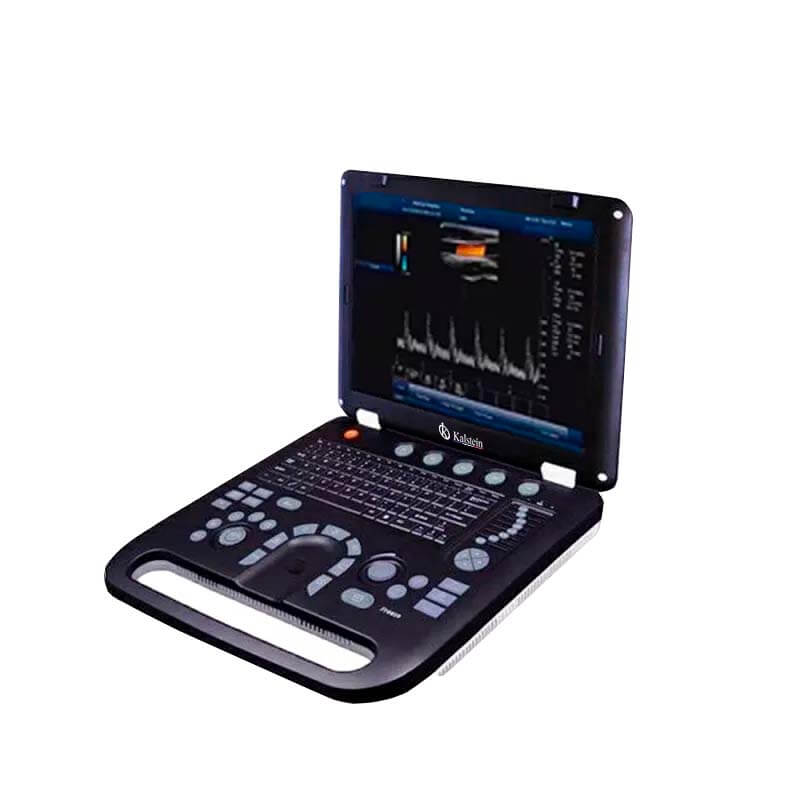
Maximizing ROI through Cost-Benefit Analysis of Ultrasonic Color Doppler Diagnostic Systems
In today's laboratory environment, the focus on maximizing return on investment (ROI) is critical for operational efficiency and sustainability. In particular, when it comes to Ultrasonic Color Doppler Diagnostic Systems, a thorough cost-benefit analysis can provide valuable insights that not only justify the initial capital expenditure but also illuminate long-term savings and productivity gains. This article delves into the techniques and parameters to consider when evaluating the financial viability of these systems, showcasing the best practices for laboratory professionals aiming to enhance their operational returns.
Understanding Cost-Benefit Analysis in Diagnostic Systems
Cost-benefit analysis (CBA) serves as a systematic approach for comparing the expected costs of a project against the benefits that will accrue from it. In the context of Ultrasonic Color Doppler Diagnostic Systems, successfully conducting a CBA involves identifying all relevant costs (capital expenditures, operational expenses, maintenance costs) and benefits (revenue generation, efficiency improvements, patient outcomes). This method allows laboratory managers to make informed decisions regarding equipment acquisition and operational strategies.
Key Financial Metrics for Evaluation
When performing a cost-benefit analysis, several financial metrics are crucial. These include:
- Capital Expenditure (CAPEX): Initial costs associated with purchasing the system.
- Operational Expenditure (OPEX): Ongoing costs such as maintenance, staffing, and consumables.
- Payback Period: Time taken to recover the initial investment through savings or increased revenue.
- Cost per Test: The average cost incurred for each diagnostic test performed using the system.
Comparison of Available Models
| Model | CAPEX (USD) | Cost per Test (USD) | Payback (Months) | Recommended Scenario |
|---|---|---|---|---|
| YR05148 | 2400.00 | 20 | 12 | Small clinics with moderate usage |
| YR05149 | 4400.00 | 18 | 10 | Medium-sized hospitals |
| YR05150 | 3400.00 | 22 | 14 | Obstetrics and cardiac centers |
| YR05151 | 5990.00 | 25 | 20 | Large hospitals with high demand |
| YR05152 | 6500.00 | 24 | 18 | Research institutions |
| YR05153 | 3300.00 | 21 | 16 | Portable applications and field use |
Factors Affecting ROI in Ultrasonic Color Doppler Diagnostic Systems
The ROI for Ultrasonic Color Doppler systems is influenced by several factors, including:
- Utilization Rate: Higher usage correlates with reduced cost per test and quicker payback.
- Maintenance Plans: Regular maintenance ensures optimal performance, reducing unexpected downtime and repairs.
- Training: Proper training for staff enhances efficiency, leading to better patient throughput and satisfaction.
How Each Model Supports Cost-Benefit Analysis
Each Ultrasonic Color Doppler Diagnostic System offers distinct advantages that can influence overall ROI. For example:
- Model YR05148: With a low CAPEX and versatile imaging capabilities, it serves well in smaller clinics seeking high-quality diagnostics without substantial financial burden.
- Model YR05149: Ideal for medium-sized hospitals, it balances cost with features like multiple transducer ports, thus enhancing operational efficiency.
- Model YR05150: Its extensive application range makes it suitable for specialized centers, allowing for diverse diagnostic capabilities.
- Model YR05151: Larger hospitals benefit from its robust performance, justifying the higher investment through increased throughput and patient care quality.
- Model YR05152: With advanced features catered for research settings, its cost-effectiveness is enhanced through grant funding opportunities.
- Model YR05153: This portable model meets the needs of diverse environments, making it a practical choice for mobile diagnostic services.
Common Mistakes and How to Avoid Them
When conducting a cost-benefit analysis for diagnostic systems, several pitfalls can skew the results:
- Underestimating Operational Costs: Accurately project ongoing expenses to avoid surprises that could affect ROI.
- Ignoring Utilization Rates: Factor in realistic usage scenarios to ensure a valid analysis.
- Failing to Include Training Costs: Adequate staff training is crucial for maximizing equipment usage and efficiency.
Frequently Asked Questions
What are the costs associated with Ultrasonic Color Doppler Diagnostic Systems in laboratories?
The costs of Ultrasonic Color Doppler Diagnostic Systems vary by model, with prices ranging from $2,400 for the YR05148 to $6,500 for the YR05152. These costs include capital expenditures and operational expenses, which are essential considerations for ROI analysis.
How does the YR05150 model enhance ROI in a clinical setting?
The YR05150 model features a robust range of applications and an excellent cost per test of approximately $22, making it a cost-effective choice for clinics focusing on high-demand areas like obstetrics and cardiology, significantly enhancing ROI.
Why is it important to analyze payback periods for diagnostic systems like YR05149?
Understanding payback periods, which for the YR05149 is approximately 10 months, is crucial as it helps labs determine how quickly they will recover their investments, aiding in strategic financial planning and resource allocation.
Which features contribute to the cost-effectiveness of the YR05151 model?
The YR05151 model offers advanced imaging and connectivity options, leading to improved diagnostic accuracy and the ability to integrate with hospital information systems, making it valuable for large institutions seeking to enhance service delivery.
How can training impact the ROI of Ultrasonic Color Doppler machines?
Training significantly impacts ROI by ensuring staff can effectively utilize the systems, thus reducing operational inefficiencies. For example, equipping staff to handle the YR05152 efficiently can lead to higher patient throughput and better diagnostic accuracy.
What common mistakes should laboratories avoid when assessing the ROI of diagnostic systems?
Common mistakes include underestimating operational costs and failing to consider utilization rates. For instance, accurately predicting the usage of the YR05148 can prevent overestimating its ROI and ensure sound financial planning.
How does the capital expenditure of the YR05153 model affect its overall value?
With a capital expenditure of $3,300, the YR05153 model provides excellent value for its portability and features, allowing labs to operate in diverse environments, thereby expanding their service offerings and maximizing ROI potential.
What role does operational expenditure play in the cost-benefit analysis of these systems?
Operational expenditure significantly impacts long-term ROI, as ongoing costs for maintenance, staffing, and consumables can offset initial savings. For example, the YR05149 model’s OPEX needs to be carefully planned to maximize its financial benefits.
If you are looking for a fusion of innovation and quality, you have come to the right place. At Kalstein, we offer you the luxury of exploring our exclusive catalog of laboratory equipment. We manufacture every device to the highest standards of excellence. Our intuitive and seamless online purchasing channels are designed for your convenience, securing the most competitive prices. Hesitate no longer — we bring science to life, it is time to become part of our community.