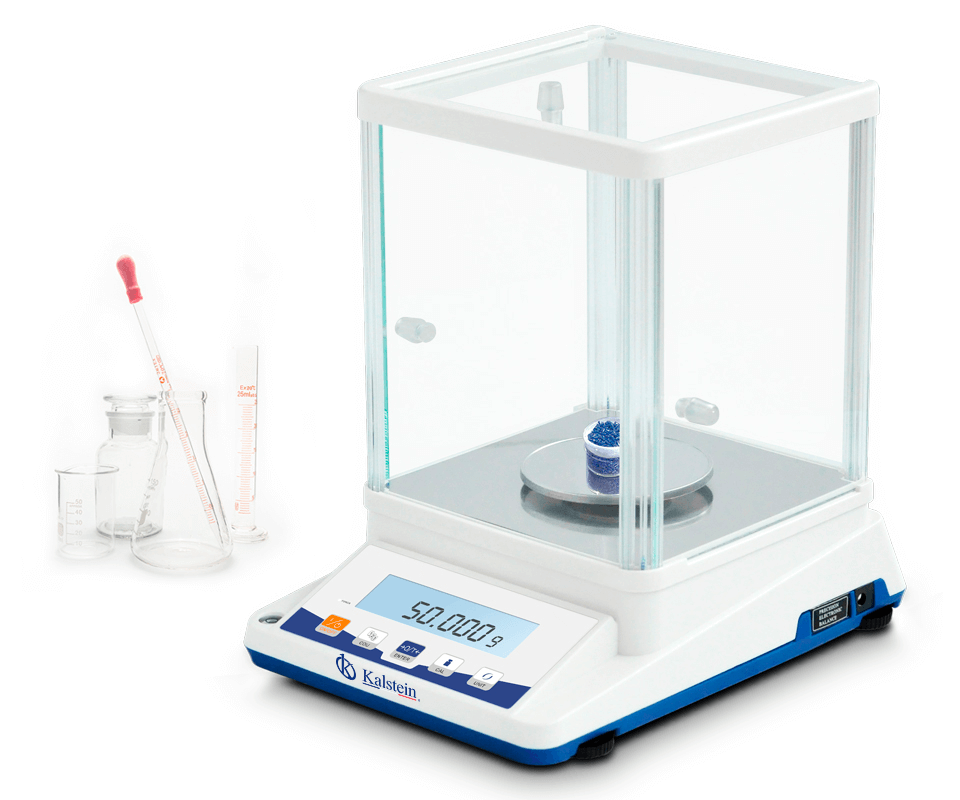
Maximizing ROI and Cost-Benefit Analysis for Precision Balances in Laboratories
Precision balances play a crucial role in laboratory operations, ensuring accurate measurements which are fundamental for experimental success. However, investing in precision balances requires a careful analysis of their return on investment (ROI) and overall cost-effectiveness. This article explores how to maximize ROI and implement effective cost-benefit analysis strategies for precision balances, focusing on various models and their unique features.
Understanding ROI and Cost-Benefit Analysis
ROI is a measure used to evaluate the efficiency of an investment. In the context of laboratory equipment like precision balances, it considers both direct and indirect costs associated with their purchase and operation. Cost-benefit analysis, on the other hand, compares the expected costs and benefits of using a particular model over its operational lifespan. Together, these tools help laboratory professionals make informed decisions that can significantly enhance their operational efficiency and budget management.
Comparison of Available Models
| Model | CAPEX (USD) | Cost per Test (USD) | Payback Period (Months) | Recommended Scenario |
|---|---|---|---|---|
| YR05584 | 75.00 | 0.01 | 6 | Small labs focusing on precision tasks |
| YR05585 | 80.00 | 0.02 | 7 | Medium-sized labs with moderate sample flow |
| YR05586 | 80.00 | 0.02 | 7 | Research applications requiring high accuracy |
| YR05587 | 80.00 | 0.02 | 7 | General laboratory use |
| YR05588 | 31.00 | 0.03 | 5 | Budget-conscious labs with basic weighing needs |
| YR05589 | 31.00 | 0.03 | 5 | Small operations needing reliable measurements |
Key Factors Influencing ROI in Precision Balances
When evaluating the ROI of precision balances, several key factors come into play. These include the initial capital expenditure (CAPEX), operational costs, maintenance and calibration expenses, and the expected lifespan of the equipment. By understanding these factors, laboratory managers can determine the most financially viable options.
Initial Capital Expenditure (CAPEX)
The purchase price of a precision balance can vary significantly depending on the model and its features. For example, the YR05584 offers a robust solution at just $75, making it suitable for smaller labs looking to minimize upfront costs. In contrast, more advanced models like the YR05587 at $80 might provide additional functionalities that justify the higher investment.
Operational Costs
Operational costs include consumables and routine maintenance. For instance, the YR05588, priced at $31, presents lower operational costs due to its energy-efficient design, making it ideal for budget-conscious labs. Conversely, models with more features, such as the YR05586, may incur higher operational costs but offer enhanced performance.
Maintenance and Calibration
Regular maintenance and calibration are crucial for ensuring accuracy in precision balances. Models like the YR05584 have external calibration options that can simplify maintenance procedures and reduce downtime, positively impacting ROI.
Implementation of Cost-Benefit Analysis
To conduct a cost-benefit analysis, laboratory professionals should outline the expected benefits of each model against their costs. This analysis can include factors like increased efficiency, improved accuracy, and lower waste rates. For instance, utilizing the YR05587 can enhance measurement precision, which may lead to better experimental outcomes and less reagent wastage.
Calculating the Total Cost of Ownership
The total cost of ownership (TCO) encompasses all costs associated with acquiring, operating, and maintaining a balance throughout its lifespan. This includes initial purchase costs, operating costs, maintenance, and any potential disposal costs. By calculating TCO, laboratories can accurately assess which precision balance provides the best long-term value.
Common Mistakes and How to Avoid Them
Laboratories often make mistakes when evaluating precision balances, leading to suboptimal decisions. Here are some common pitfalls and how to avoid them:
- Neglecting Total Cost of Ownership: Always consider both initial and ongoing costs.
- Overlooking Features: Ensure the chosen model meets specific laboratory needs without unnecessary features that increase costs.
- Failure to Consider Calibration Needs: Choose models that simplify calibration processes to maintain accuracy.
Frequently Asked Questions
What is the average ROI for precision balances in laboratory settings?
The average ROI for precision balances can vary based on usage, but models like the YR05584 often yield a payback period of around 6 months due to their affordability and efficiency.
How do I determine the best precision balance for my laboratory's needs?
Assessing your laboratory's specific requirements is key. Consider factors like sample size and required precision. Models such as the YR05586 are excellent for high-precision applications.
Which precision balance offers the lowest operational costs?
The YR05588 is noted for its economical operational costs at $31, making it a budget-friendly choice for smaller laboratories.
How often should precision balances be calibrated for optimal performance?
Calibration should typically occur every 3-6 months depending on usage intensity. Choosing models like the YR05584 can help streamline this process.
What factors affect the cost-benefit analysis of precision balances?
Key factors include initial purchase price, operational costs, calibration frequency, and the anticipated life of the equipment. Evaluating these factors is crucial for models like the YR05587.
How does precision balance accuracy impact laboratory results?
Accuracy in precision balances ensures reliable results, minimizing error margins. Models like the YR05586 enhance measurement precision, crucial for successful experiments.
Which precision balance is best for high throughput laboratories?
The YR05587 is designed for general laboratory use and can handle a moderate throughput efficiently, making it a suitable choice.
How can I select a precision balance that fits my budget without sacrificing quality?
Identify the balance between necessary features and cost. For instance, the YR05588 provides essential functionalities at a low price, ensuring quality without overspending.
If you are looking for a fusion of innovation and quality, you have come to the right place. At Kalstein, we offer you the luxury of exploring our exclusive catalog of laboratory equipment. We manufacture every device to the highest standards of excellence. Our intuitive and seamless online purchasing channels are designed for your convenience, securing the most competitive prices. Hesitate no longer — we bring science to life, it is time to become part of our community.