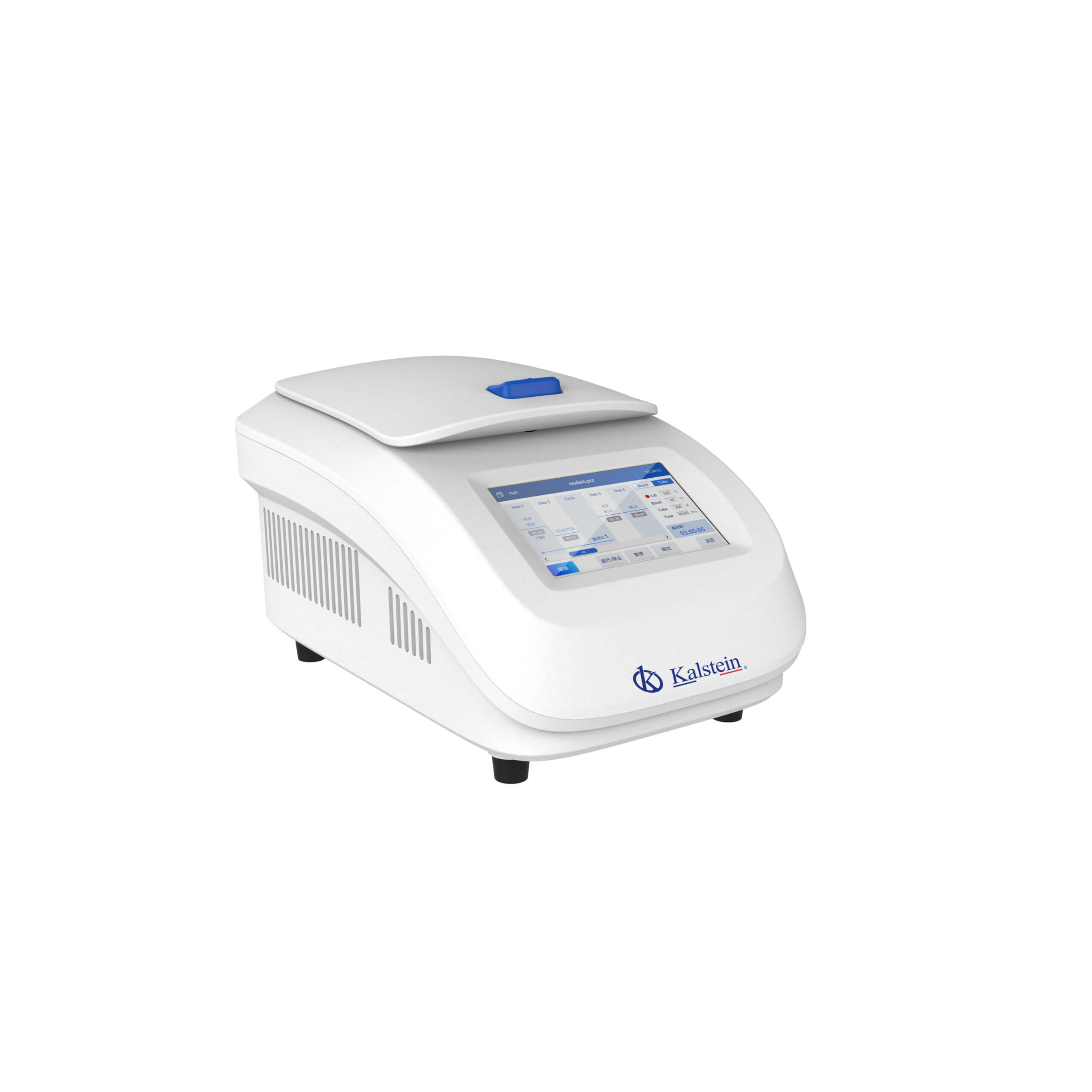
Maximizing ROI Through Cost-Benefit Analysis of Biochemical BOD Incubators
In laboratory settings, understanding the financial implications of equipment purchases is crucial for maintaining an efficient and effective operation. This is especially true for Biochemical BOD incubators, which play a significant role in sample preservation and reactions. In this comprehensive guide, we will delve into the return on investment (ROI) and cost-benefit analysis for various models of Biochemical BOD incubators, providing laboratory professionals with the insight needed to make informed purchasing decisions.
Understanding ROI and Cost-Benefit Analysis in Laboratory Equipment
ROI and cost-benefit analysis are critical tools that laboratory managers can use to evaluate the financial performance of Biochemical BOD incubators. ROI measures the gain or loss generated relative to the investment cost, while cost-benefit analysis compares the costs of an investment to its expected benefits. Together, these analyses help in determining the long-term value of equipment purchases, ensuring that funds are allocated effectively.
Technical Features Impacting ROI
When assessing Biochemical BOD incubators, several technical specifications directly influence ROI. Factors such as energy consumption, temperature precision, and maintenance costs can significantly affect the overall expense associated with ownership. For instance, models like the YR05889 Heated Lid Dry Bath Incubator offer advanced temperature control through Peltier technology, which can lead to more efficient operations and reduced energy costs over time.
Comparative Analysis of Biochemical BOD Incubators
The selection of an appropriate Biochemical BOD incubator requires a detailed comparison of available models, focusing on their specifications and suitability for specific laboratory needs. Below is a table that outlines the key features of several models available in the market.
| Model | CAPEX (USD) | Temperature Control Range | Power Consumption (W) | Best For |
|---|---|---|---|---|
| YR05889 | 590.00 | R.T. -25℃ ~100℃ | 200 | Sample preservation, DNA amplification |
| YR05890 | 390.00 | R.T. +5℃ ~100℃ | 250 | Sample reactions, temperature cycling |
| YR05891 | 89.00 | RT+5℃ ~100℃ | 48 | Small laboratory tests |
| YR05892 | 189.00 | RT+5℃ ~100℃ | 60 | Mobile applications |
| YR05893 | 149.00 | RT+5℃ ~100℃ | 120 | General laboratory use |
| YR05894 | 119.00 | RT+5℃ ~105℃ | 150 | Electrophoresis, serum coagulation |
Common Mistakes and How to Avoid Them
When investing in Biochemical BOD incubators, laboratories often make several common mistakes. One prevalent error is underestimating the total cost of ownership, including maintenance and operational expenses. Additionally, failing to align equipment capabilities with specific laboratory needs can result in inefficiencies. It is essential to conduct thorough research and consider how each model fits the laboratory’s long-term goals and use cases.
Evaluating Energy Consumption
Energy efficiency is a vital aspect of ROI when analyzing Biochemical BOD incubators. The energy consumption of each model varies significantly. For instance, the YR05891 Mini Dry Bath Incubator is designed for minimal power usage, making it ideal for smaller labs with limited budgets. Understanding the typical energy consumption for different models will aid in calculating the long-term operational costs.
Dealing with Maintenance Costs
Maintaining Biochemical BOD incubators can incur additional costs that impact overall ROI. Models with more advanced features may require specialized maintenance, while simpler models may be easier and less expensive to service. For instance, the YR05894 Dry Bath Incubator is known for its durability and less frequent maintenance needs, contributing to lower life-cycle costs.
Cost-Benefit Analysis: A Practical Example
Conducting a cost-benefit analysis involves comparing the costs associated with each model against the expected benefits. Below is a sample analysis table that outlines potential savings and costs for different Biochemical BOD incubator models:
| Model | Initial Cost (USD) | Annual Energy Cost (USD) | Expected Annual Savings (USD) | Net Benefit (USD) |
|---|---|---|---|---|
| YR05889 | 590.00 | 120.00 | 200.00 | -510.00 |
| YR05890 | 390.00 | 80.00 | 150.00 | -320.00 |
| YR05891 | 89.00 | 30.00 | 100.00 | -19.00 |
| YR05892 | 189.00 | 50.00 | 120.00 | -119.00 |
| YR05893 | 149.00 | 60.00 | 110.00 | -99.00 |
| YR05894 | 119.00 | 40.00 | 130.00 | -29.00 |
Frequently Asked Questions
What is the return on investment for a Biochemical BOD incubator?
The return on investment for a Biochemical BOD incubator varies by model, but investing in the YR05889 can yield significant benefits through enhanced temperature control and energy efficiency, making it ideal for long-term use.
How do I calculate the total cost of ownership for Biochemical BOD incubators?
To calculate the total cost of ownership for Biochemical BOD incubators, consider initial purchase costs, annual energy expenses, and regular maintenance fees. For example, the YR05890 has lower initial expenses but may incur higher operational costs over time.
Which features maximize the cost-benefit of a Biochemical BOD incubator?
Features that maximize cost-benefit include precision temperature control, low energy consumption, and durability. The YR05894 is noted for its high precision and reduced maintenance needs, enhancing its overall value.
How much energy does a Biochemical BOD incubator consume annually?
The annual energy consumption of a Biochemical BOD incubator can vary widely; for instance, the YR05891 consumes approximately 30 USD annually, making it a cost-effective option for small labs.
What maintenance schedule is recommended for Biochemical BOD incubators?
For optimal performance, a maintenance schedule should be established based on usage. Regular checks and calibrations are advised, particularly for models like the YR05890, which may require more frequent servicing due to its advanced features.
How do I determine the best Biochemical BOD incubator for my laboratory?
Determining the best Biochemical BOD incubator involves analyzing laboratory needs, budget constraints, and energy efficiency. The YR05892 is great for mobile applications, while the YR05894 is ideal for high-precision requirements.
What are the cost implications of choosing a high-end Biochemical BOD incubator?
Choosing a high-end Biochemical BOD incubator typically involves higher initial capital expenditures, such as with the YR05889, but can result in lower operational costs and improved efficiency over time, leading to better ROI.
How can I enhance the productivity of my laboratory with Biochemical BOD incubators?
To enhance productivity, consider incubators like the YR05893, which allows for quick temperature changes and has a compact design, enabling efficient workflow in smaller lab settings.
If you are looking for a fusion of innovation and quality, you have come to the right place. At Kalstein, we offer you the luxury of exploring our exclusive catalog of laboratory equipment. We manufacture every device to the highest standards of excellence. Our intuitive and seamless online purchasing channels are designed for your convenience, securing the most competitive prices. Hesitate no longer — we bring science to life, it is time to become part of our community.