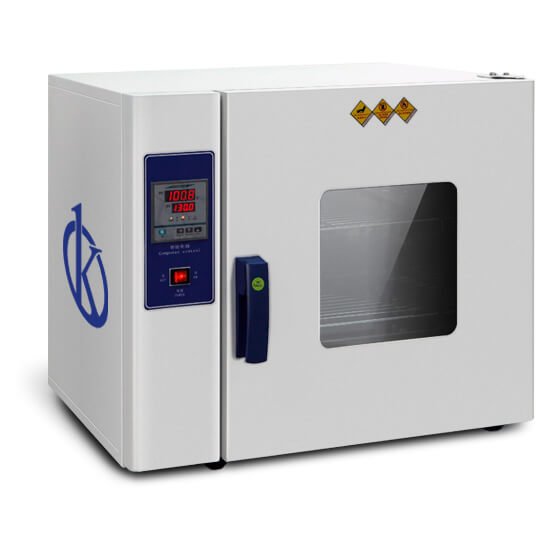
Maximizing ROI and Cost-Benefit Analysis for Laboratory Drying Ovens
In the realm of laboratory operations, selecting the right equipment is crucial for maximizing efficiency and minimizing costs. Laboratory drying ovens play a vital role in various applications, from drying to sterilization. This article delves into how laboratory professionals can perform cost-benefit analyses and ultimately enhance the return on investment (ROI) when purchasing drying ovens.
Understanding ROI in Laboratory Equipment Purchases
ROI is a key performance indicator that evaluates the efficiency of an investment. In laboratory settings, calculating the ROI for drying ovens involves assessing factors such as initial capital expenditure (CAPEX), operational expenses (OPEX), and potential revenue generated from the equipment's use. An effective analysis considers not just the purchase price but also ongoing costs, maintenance, and the oven's performance.
Cost-Benefit Analysis: The Path to Informed Decisions
A cost-benefit analysis allows laboratories to weigh the expected benefits of a drying oven against the costs incurred. This process involves identifying and quantifying benefits, such as time savings, improved throughput, and energy efficiency, compared to the costs of acquisition, maintenance, and operation. A detailed breakdown helps in making informed purchasing decisions, ensuring that the laboratory invests in equipment that aligns with its operational goals.
Features Driving Cost-Effectiveness in Drying Ovens
Various features contribute to the cost-effectiveness of drying ovens. Intelligent microcomputer PID control systems, such as those in the Electric Heating Drying Stove models YR05244 and YR05245, enhance temperature accuracy, reducing the risk of product damage and increasing throughput. Additionally, energy-efficient designs can drastically lower operational costs. Understanding these features allows laboratories to select ovens that offer the best value for their specific needs.
Comparison of Available Models
| Model | CAPEX (USD) | Cost per Test (USD) | Payback Period (Months) | Recommended Scenario |
|---|---|---|---|---|
| YR05244 | 295.00 | 0.75 | 8 | General laboratory drying |
| YR05245 | 364.00 | 0.80 | 9 | Research applications requiring precision |
| YR05246 | 486.00 | 0.90 | 10 | High-volume laboratory settings |
| YR05247 | 598.00 | 1.00 | 11 | Advanced drying for specialized applications |
| YR05248-A | 162.00 | 0.60 | 6 | Routine laboratory use |
| YR05249-A | 180.00 | 0.70 | 7 | Biological and agricultural applications |
Common Mistakes and How to Avoid Them
When investing in laboratory drying ovens, several common mistakes can hinder ROI and operational efficiency. One common error is focusing solely on the purchase price without considering ongoing operational costs, such as energy consumption and maintenance. Another mistake is neglecting to evaluate the specific needs of the laboratory, leading to the selection of equipment that may not be suitable for the intended application. By conducting thorough analyses and considering long-term implications, laboratories can avoid these pitfalls.
Energy Efficiency and Its Impact on Costs
Energy consumption is a significant factor in the operating costs of laboratory drying ovens. Models like YR05245 and YR05246 incorporate energy-efficient features that can substantially reduce electricity expenses. By carefully examining energy consumption data, laboratories can calculate potential savings and understand how energy-efficient ovens contribute to a favorable cost-benefit ratio.
Assessing Performance Metrics: A Quantitative Approach
Performance metrics such as throughput, drying time, and precision control are critical in analyzing the ROI of drying ovens. Establishing a baseline for these metrics allows laboratories to assess the effectiveness of different models against their operational goals. For instance, models with advanced PID control may provide better temperature stability, leading to improved sample quality and time savings, which ultimately enhance the return on investment.
Frequently Asked Questions
How can I determine the ROI of my laboratory's drying ovens?
To determine the ROI of laboratory drying ovens, you should calculate the initial capital expenditure, ongoing operational costs, and the revenue generated from the use of the ovens. For example, the Electric Heating Drying Stove YR05244, priced at $295, may have a payback period of 8 months based on its efficient performance and low operating costs.
What operational cost savings can I expect from energy-efficient drying ovens?
Energy-efficient drying ovens, like the YR05249-A, can significantly reduce operational costs due to lower energy consumption. This model, priced at $180, offers cost savings that result in a shorter payback period, typically around 7 months, making it an attractive option for routine laboratory use.
Which drying oven model is best for high-volume laboratory settings?
For high-volume laboratory settings, the Electric Heating Drying Stove YR05246 is an excellent choice. With a CAPEX of $486 and optimized performance metrics, this model provides the throughput required for busy labs while ensuring effective drying capabilities.
How do I calculate the payback period for a new drying oven?
The payback period for a new drying oven can be calculated by dividing the initial investment by the annual cash savings it generates. For instance, if the YR05247 model costs $598 and generates $54 per month in savings, the payback period would be approximately 11 months.
What features should I look for in a drying oven for research applications?
When selecting a drying oven for research applications, look for features such as precise temperature control, energy efficiency, and reliability. The YR05245 model, with its intelligent control system and solid construction, is specifically designed to meet the rigorous demands of laboratory research.
Which drying oven models are most cost-effective for routine laboratory use?
For routine laboratory use, the Electric Heating Drying Stove YR05248-A is one of the most cost-effective models. Priced at $162, it offers essential drying capabilities without compromising quality, making it suitable for most standard laboratory applications.
How does the energy consumption of drying ovens affect their overall cost?
Energy consumption directly impacts the overall cost of operating drying ovens. Choosing models like YR05246, which feature energy-efficient designs, can lead to substantial savings on electricity bills, thus improving overall cost-effectiveness in long-term operations.
What should I include in my cost-benefit analysis for a drying oven purchase?
A comprehensive cost-benefit analysis should include initial purchase costs, operational expenses, maintenance costs, and the expected benefits such as improved efficiency and productivity. Evaluating models like YR05244 and YR05245 can provide insights into their potential return on investment.
If you are looking for a fusion of innovation and quality, you have come to the right place. At Kalstein, we offer you the luxury of exploring our exclusive catalog of laboratory equipment. We manufacture every device to the highest standards of excellence. Our intuitive and seamless online purchasing channels are designed for your convenience, securing the most competitive prices. Hesitate no longer — we bring science to life, it is time to become part of our community.