Maximizing ROI and Cost-Benefit Analysis with COD/BOD Analyzers
In the realm of laboratory testing, the investment in COD (Chemical Oxygen Demand) and BOD (Biochemical Oxygen Demand) analyzers represents a significant portion of operational costs. Choosing the right equipment and understanding its financial impact is essential for enhancing laboratory efficiency and maximizing return on investment (ROI). This article provides an in-depth look at various models of COD/BOD analyzers and how their features contribute to cost-effectiveness and profitability.
Understanding ROI and Cost-Benefit Analysis in Laboratories
ROI is a critical metric for laboratories, measuring the profitability of investments relative to their costs. A well-executed cost-benefit analysis enables labs to assess the financial viability of purchasing COD/BOD analyzers. Key factors include initial capital expenditure (CAPEX), ongoing operating expenses (OPEX), and cost per test. By analyzing these elements, laboratories can make informed decisions regarding their equipment purchases.
In laboratory environments, factors such as accuracy, speed, and ease of use are paramount. Advanced models like the COD Analyzer YR06295 and the BOD Analyzer YR06297 not only enhance testing efficiency but can also lead to substantial cost savings by reducing the time required for sample analysis and minimizing errors.
Key Models of COD/BOD Analyzers
When selecting COD/BOD analyzers, several models cater to diverse laboratory needs. The following sections highlight each model's features within the context of ROI and cost-benefit analysis.
COD Analyzer YR06295
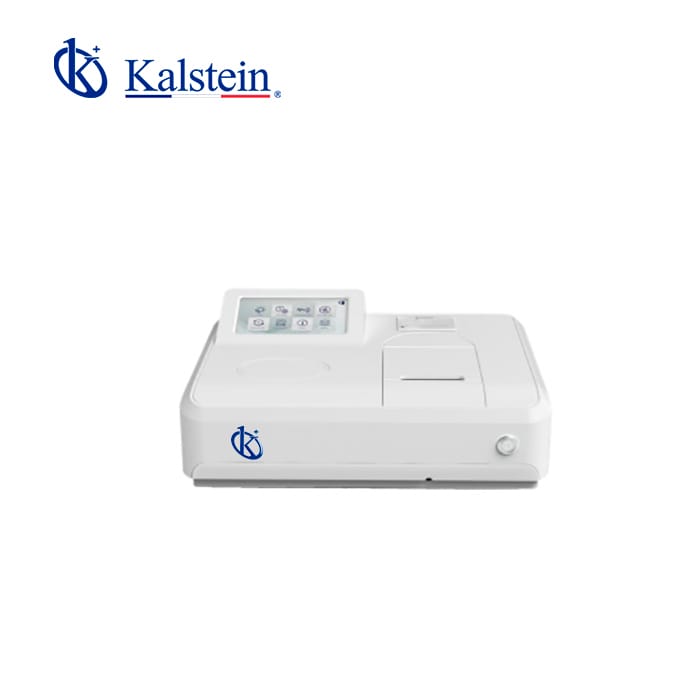
The COD Analyzer YR06295 is designed for precise and rapid measurements of Chemical Oxygen Demand in various samples. Its high-resolution 7-inch touchscreen interface ensures ease of use, while automatic measurements streamline the analysis process, reducing preparation time.
COD Analyzer Portable YR06296
This portable model offers efficient COD testing with a color display. The built-in calibration features and user-friendly interface make it ideal for mobile or field testing scenarios, enhancing flexibility for laboratories with varying operational demands.
BOD Analyzer YR06297
The BOD Analyzer YR06297 utilizes a non-mercury pressure differential method, providing real-time results through six independent channels. Its automation capabilities eliminate the need for constant supervision, making it a cost-effective choice for high-throughput laboratories.
Digestion Instrument YR06298
The Digestion Instrument YR06298 is crucial for laboratories requiring precision in their digestion processes. With advanced temperature and time adjustments, this device enhances the quality of analyses and ultimately contributes to improved ROI through reliable results.
Comparison of Available Models
| Model | CAPEX (USD) | Cost per Test (USD) | Payback Period (Months) | Recommended Scenario |
|---|---|---|---|---|
| YR06295 | 600.00 | 0.50 | 12 | High-volume laboratories |
| YR06296 | 300.00 | 0.30 | 10 | Field testing |
| YR06297 | 1650.00 | 1.00 | 15 | High-throughput labs |
| YR06298 | 300.00 | 0.40 | 11 | Standard laboratory settings |
Common Mistakes and How to Avoid Them
One common mistake many laboratories make is failing to consider the total cost of ownership when selecting COD/BOD analyzers. This includes not only the initial price but also ongoing maintenance costs, reagent expenses, and operational efficiency. Additionally, neglecting to account for the specific analytical needs of the laboratory can lead to purchasing equipment that does not fully meet requirements, thus affecting the overall ROI.
To avoid these pitfalls, laboratories should conduct a thorough analysis of their specific needs, including testing volume and required accuracy. Engaging with suppliers for detailed cost analyses can also provide clarity on expected costs and benefits.
Strategies for Maximizing ROI
Maximizing ROI involves implementing strategies that enhance operational efficiency while minimizing costs. Laboratories can adopt the following approaches:
- Invest in automation: Choosing models like the BOD Analyzer YR06297 can significantly reduce manual labor and increase throughput.
- Optimize reagent usage: Understanding each model's reagent consumption can help in forecasting ongoing operational costs.
- Conduct regular training: Ensuring staff are well-trained on the equipment can improve accuracy and reduce errors, thus saving costs in the long run.
- Monitor performance metrics: Establishing key performance indicators (KPIs) such as test turnaround time can help in identifying inefficiencies.
Frequently Asked Questions
How do I calculate the ROI for my COD/BOD analyzers?
To calculate ROI for COD/BOD analyzers like the YR06297, divide the net profit from the analyzer (after deducting operating expenses) by the total cost of the investment, then multiply by 100 to get a percentage. This helps you assess profitability effectively.
What is the cost per test for the COD Analyzer YR06295?
The cost per test for the COD Analyzer YR06295 is approximately $0.50, making it a competitive option for labs with high testing volumes focused on maintaining cost efficiency.
Which BOD analyzer is best for high-throughput laboratories?
The BOD Analyzer YR06297 is ideal for high-throughput laboratories due to its six-channel analysis capabilities and automation features, allowing for increased efficiency and reduced labor costs.
How can I reduce operational costs with COD/BOD analyzers?
Operational costs can be reduced by selecting analyzers like the COD Analyzer Portable YR06296, which minimizes reagent use and offers automated features that streamline the testing process, thereby enhancing cost efficiency.
What maintenance costs should I expect for a BOD Analyzer?
Maintenance costs for a BOD Analyzer like the YR06297 mainly involve periodic calibration and possible replacement of specific parts. Budgeting for these can ensure smoother operations and prolong the analyzer's lifespan.
How does automation impact ROI for COD/BOD testing?
Automation significantly impacts ROI by reducing labor costs, increasing throughput, and enhancing accuracy in data collection. Models like the YR06297 offer automation features that contribute to these benefits.
What is the payback period for a portable COD Analyzer?
The payback period for a portable COD Analyzer like the YR06296 is typically around 10 months, making it a quick ROI option for laboratories that need flexibility in testing.
How do I choose between different models of COD/BOD analyzers?
Choosing between models like the YR06295 and YR06297 involves considering factors such as testing volume, required accuracy, automation needs, and overall cost. A detailed comparison can lead to better investment decisions.
If you are looking for a fusion of innovation and quality, you have come to the right place. At Kalstein, we offer you the luxury of exploring our exclusive catalog of laboratory equipment. We manufacture every device to the highest standards of excellence. Our intuitive and seamless online purchasing channels are designed for your convenience, securing the most competitive prices. Hesitate no longer — we bring science to life, it is time to become part of our community.