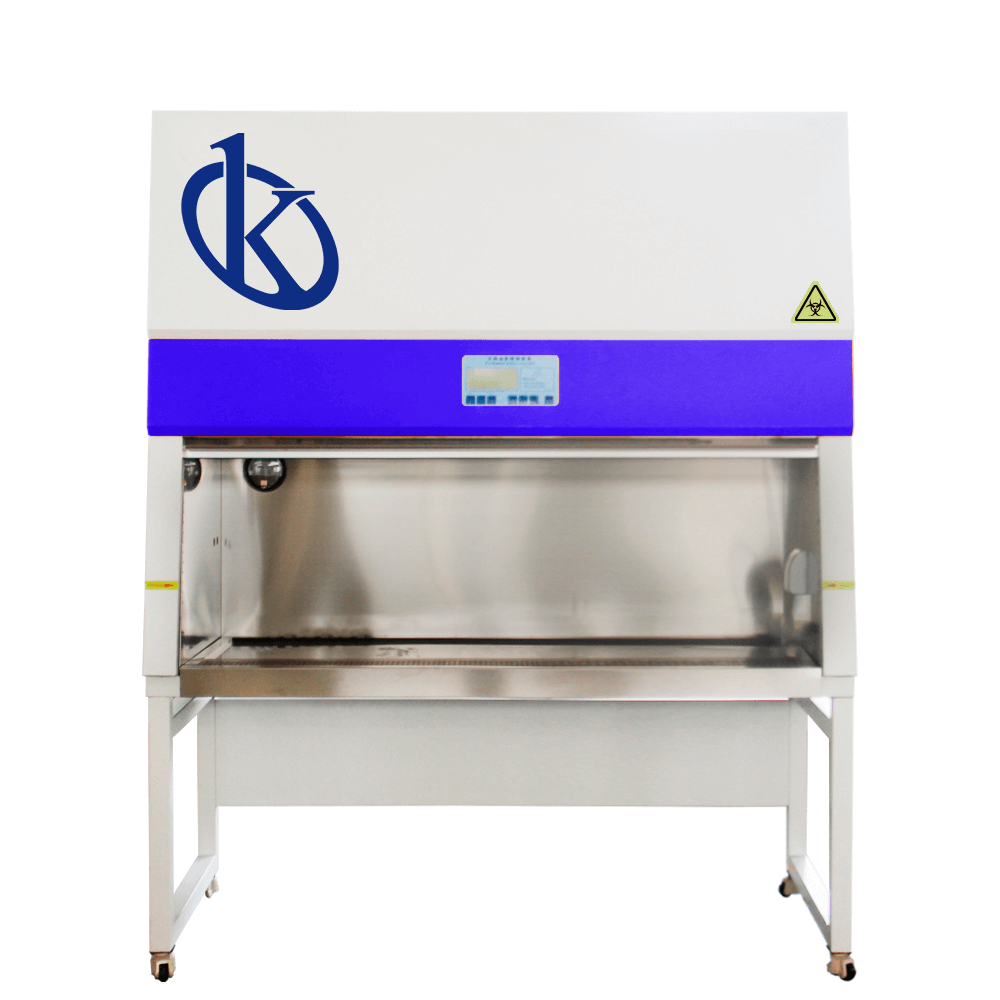
Maximizing ROI and Cost-Benefit Analysis for Biosafety Cabinets in Laboratories
The selection of a biosafety cabinet (Class II) is crucial for laboratories aiming to ensure safety while optimizing operational costs. Understanding the ROI (Return on Investment) and conducting a thorough cost-benefit analysis helps labs make informed decisions, ultimately enhancing productivity and safety. In this article, we will explore various models of biosafety cabinets and how they align with key ROI metrics.
Understanding ROI in Laboratory Equipment
ROI is a performance measure used to evaluate the efficiency of an investment. When it comes to biosafety cabinets, it calculates the return gained relative to the cost incurred in acquiring and operating the equipment. Key factors influencing ROI include initial capital expenditure (CAPEX), operating expenses (OPEX), maintenance costs, and the lifespan of the equipment.
Cost-Benefit Analysis: What to Consider
A comprehensive cost-benefit analysis involves comparing the expected benefits of a biosafety cabinet against its costs. Factors to consider include:
- Initial purchase price
- Maintenance and operational costs
- Energy consumption
- Impact on laboratory throughput and productivity
- Compliance with safety standards and regulations
Comparison of Available Models
| Model | CAPEX (USD) | Cost per Test | Payback Period (Months) | Recommended Scenario |
|---|---|---|---|---|
| YR05704 | 1600.00 | To be determined | To be determined | General laboratory use |
| YR05705 | 1650.00 | To be determined | To be determined | Clinical diagnostics |
| YR05706 | 2150.00 | To be determined | To be determined | High-throughput laboratories |
| YR0090-A | 1260.00 | To be determined | To be determined | Small labs with limited budgets |
| YR05270 | 2750.00 | To be determined | To be determined | Research laboratories |
| YR05271 | 2940.00 | To be determined | To be determined | High-security environments |
Common Mistakes and How to Avoid Them
When selecting a biosafety cabinet, laboratories often make common mistakes that can lead to poor ROI and safety issues. Here are some mistakes and how to avoid them:
- **Choosing solely based on price:** While budget is an important factor, it should not be the only consideration. Evaluate the total cost of ownership, including maintenance and efficiency.
- **Ignoring compliance requirements:** Ensure that the selected model meets relevant safety standards, such as ISO 14644.1.
- **Neglecting to analyze operational needs:** Assess laboratory workflows and select a cabinet that fits the specific requirements of your laboratory operations.
- **Underestimating energy costs:** Consider the energy consumption of the equipment, as it contributes significantly to OPEX over time.
Frequently Asked Questions
What are the key ROI metrics for selecting a biosafety cabinet?
Key ROI metrics for selecting a biosafety cabinet include initial capital expenditure, operating expenses, maintenance costs, and equipment lifespan. For example, the YR05704 model has a CAPEX of $1600. Evaluating these metrics helps laboratories determine the best financial decision.
How does energy efficiency impact the cost-benefit analysis of biosafety cabinets?
Energy efficiency significantly impacts the cost-benefit analysis by reducing operational costs over time. For instance, a less energy-efficient model can lead to higher electricity bills, affecting the overall TCO. The YR05270 cabinet, priced at $2750, offers advanced energy-efficient features.
How to calculate the payback period for a biosafety cabinet investment?
The payback period can be calculated by dividing the initial investment by the annual net cash inflows from using the cabinet. For example, if the annual savings from using the YR05706 model (costing $2150) is $300, the payback period would be approximately 7.17 months.
Which biosafety cabinet is best for high-security laboratories?
The YR05271 biosafety cabinet is ideal for high-security laboratories. With a strong emphasis on safety and compliance, it operates efficiently under stringent conditions, making it a suitable choice for such environments.
What factors should be considered when determining the cost per test of a biosafety cabinet?
Factors affecting the cost per test include the initial capital cost, maintenance expenses, energy consumption, and the number of tests performed. For instance, a lab using the YR0090-A model, which costs $1260, needs to calculate these variables to get an accurate cost per test.
How does compliance with safety standards affect the ROI of biosafety cabinets?
Compliance with safety standards like ISO 14644.1 not only helps avoid regulatory penalties but also enhances laboratory safety, thus protecting investments. Using compliant models like YR05705 can lead to higher efficiency and reduced liabilities.
What are the benefits of investing in advanced biosafety cabinet technology?
Investing in advanced biosafety cabinet technology can lead to improved operational efficiency, lower energy costs, and enhanced safety features. For example, the YR05270 model, priced at $2750, includes new technology that increases airflow stability and filtration efficiency.
How can I reduce operational costs when using a biosafety cabinet?
Reducing operational costs can be achieved by selecting energy-efficient models, maintaining equipment regularly, and training staff on optimal use. The YR05704 model, with its design to minimize airflow disturbances, can help lower these costs effectively.
If you are looking for a fusion of innovation and quality, you have come to the right place. At Kalstein, we offer you the luxury of exploring our exclusive catalog of laboratory equipment. We manufacture every device to the highest standards of excellence. Our intuitive and seamless online purchasing channels are designed for your convenience, securing the most competitive prices. Hesitate no longer — we bring science to life, it is time to become part of our community.