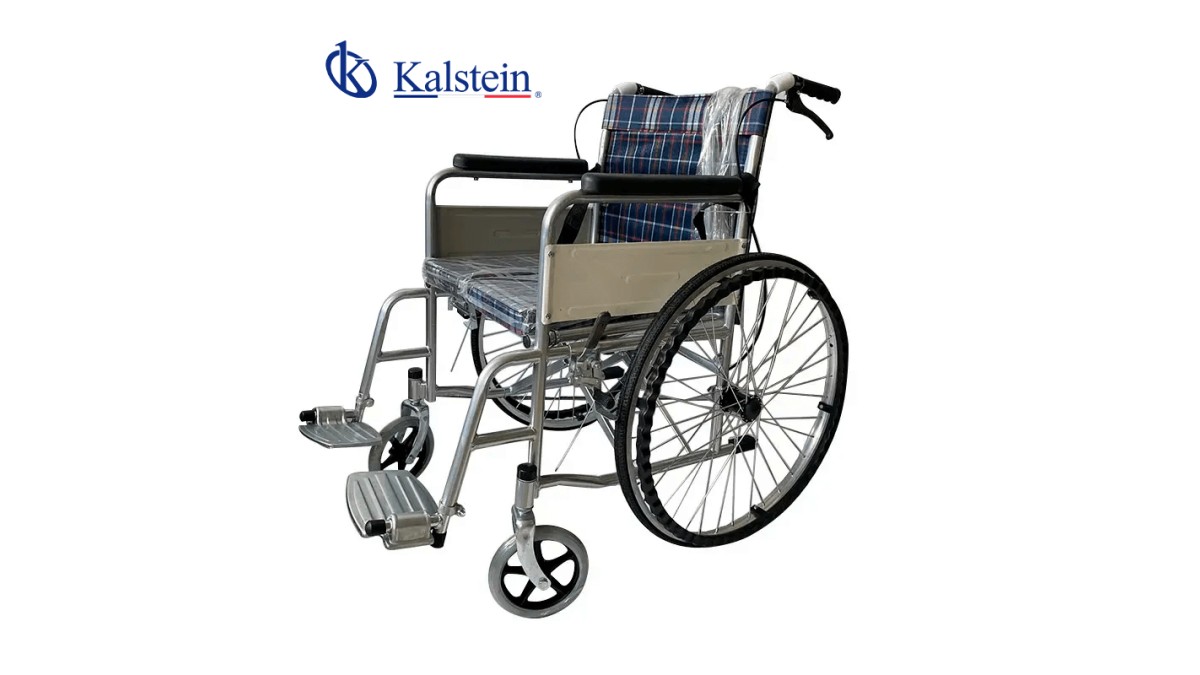
Manual Wheelchairs: Practical Applications and Techniques 2026
What is it used for in 2026
Manual wheelchairs are essential mobility aids in clinical and hospital settings, allowing individuals with limited mobility to move independently. In 2026, their application extends beyond basic transportation to include rehabilitation, physical therapy, and increasing patient autonomy, thereby enhancing the quality of care.
History and evolution of the technology
The evolution of manual wheelchairs dates back to the 16th century, where early designs were simple wooden frames. Over the years, technological advancements have introduced lightweight materials, ergonomic designs, and customizable features, making modern wheelchairs not only more comfortable but also adaptable to various user needs.
How to use it step by step
Using a manual wheelchair effectively involves the following steps:
- Adjust the wheelchair: Ensure that the seat height, backrest, and footrests are adjusted to fit the user’s comfort and needs.
- Transfer safely: Always assist the user during transfers from bed to wheelchair or vice versa, ensuring stability.
- Movement: Use hand rims on the wheels to propel the wheelchair forward or backward while maintaining a straight path.
- Braking: Familiarize yourself with the braking system to ensure safety during stops.
- Navigation: Practice maneuvering through various terrains and obstacles, adapting to the environment.
Best techniques and protocols
When utilizing manual wheelchairs in a clinical setting, following these best practices is crucial:
- Regular training: Staff should undergo regular training to assist patients effectively.
- Safety checks: Conduct routine inspections of wheelchairs to ensure all components are functioning properly.
- Patient comfort: Always prioritize the comfort of the user by adjusting the wheelchair according to their physical needs.
Practical applications by laboratory type
In various laboratory settings, manual wheelchairs serve several important roles:
- Clinical laboratories: Facilitating transport for patients undergoing diagnostic tests.
- Rehabilitation centers: Assisting patients in therapy sessions to improve mobility and strength.
- Long-term care facilities: Enhancing resident autonomy and mobility within the facility.
Regulations, standards and certifications
Manual wheelchairs must comply with various regulations and standards to ensure safety and effectiveness. Key certifications include:
- ISO 13485: Quality management systems for medical devices.
- FDA regulations: Compliance with safety and effectiveness standards for medical devices in the USA.
Comparison with alternative technologies
While manual wheelchairs are widely used, alternative technologies such as electric wheelchairs and mobility scooters offer different benefits. Electric wheelchairs provide automated movement, which is advantageous for users with limited upper body strength. In contrast, manual wheelchairs encourage physical activity among users, which can aid in rehabilitation.
Comparison of available models
| Model | Best for | Key specs | Recommended use case |
|---|---|---|---|
| YR05450 | Basic mobility | Frame: Steel, Weight: 14.5 KG, Load: 100 KG | Best for short distances and routine hospital visits. |
| YR05451 | Light use | Frame: Chrome, Weight: 11 KG, Load: 100 KG | Ideal for patients needing lightweight mobility aids. |
| YR05456 | Adjustable comfort | Frame: Chrome, Adjustable length, Load: 100 KG | Best for users requiring customizable seating positions. |
| YR05452 | Portability | Frame: Steel, Weight: 12 KG, Load: 100 KG | Recommended for travel and frequent transport. |
| YR05454 | Heavy-duty use | Frame: Steel, Weight: 18.4 KG, Load: 100 KG | Suitable for daily use in extensive hospital environments. |
| YR05453 | Durability | Frame: Chrome, Load: 100 KG | Great for long-term care facilities where durability is key. |
Common mistakes and how to avoid them
It's important to avoid common pitfalls when using manual wheelchairs:
- Incorrect adjustments: Always ensure proper adjustments are made for comfort and support.
- Neglecting maintenance: Schedule regular maintenance checks to ensure safety and functionality.
- Ignoring patient feedback: Listen to user feedback regarding comfort and mobility preferences.
Maintenance, calibration and good practices 2026
Regular maintenance of manual wheelchairs involves:
- Cleaning: Regularly clean the wheelchair to prevent hygiene issues.
- Wheel checks: Inspect wheels for wear and tear and replace as necessary.
- Brake adjustments: Ensure brakes are functioning correctly for user safety.
Cost-benefit analysis 2026
Investing in manual wheelchairs is economically beneficial for healthcare facilities. While the initial cost can vary, the long-term benefits of improved patient mobility and reduced staff strain far outweigh the expenses. Additionally, the durability of modern wheelchairs ensures a better return on investment.
Frequently asked questions
What factors should I consider when choosing a manual wheelchair?
Factors to consider include the user's physical capabilities, weight capacity, frequency of use, and the environment where it will be used. Comfort and adjustability are also critical for ensuring proper support.
How often should manual wheelchairs be maintained?
Manual wheelchairs should undergo maintenance checks at least once every six months, or more frequently if used daily. Regular cleaning and inspection of wheels and brakes are essential for safety.
Can manual wheelchairs be used outdoors?
Yes, many manual wheelchairs are designed for outdoor use; however, consider the type of wheels. Larger, pneumatic wheels may provide better traction on uneven surfaces compared to smaller wheels.
What is the best way to assist someone in transferring to a manual wheelchair?
Always ensure the wheelchair is stable and locked. Use proper body mechanics, lift with your legs, and communicate with the person being transferred to ensure they are comfortable and secure during the transfer.
Are there any weight limits for manual wheelchairs?
Yes, each model has a specified weight limit, which typically ranges from 100 kg to 150 kg. Always check the specifications to ensure safety and durability.
How do I ensure a comfortable fit for a user in a manual wheelchair?
Adjust the seat height, backrest, and footrests to ensure proper alignment and support. Involve the user in the fitting process to ensure their comfort.
What should I do if the manual wheelchair stops functioning?
First, check for any visible issues like flat tires or loose parts. If the problem persists, consult the manufacturer or a professional for repairs.
If you are looking for a fusion of innovation and quality, you have come to the right place. At Kalstein, we offer you the luxury of exploring our exclusive catalog of laboratory equipment. We manufacture every device to the highest standards of excellence. Our intuitive and seamless online purchasing channels are designed for your convenience, securing the most competitive prices. Hesitate no longer — we bring science to life, it is time to become part of our community.