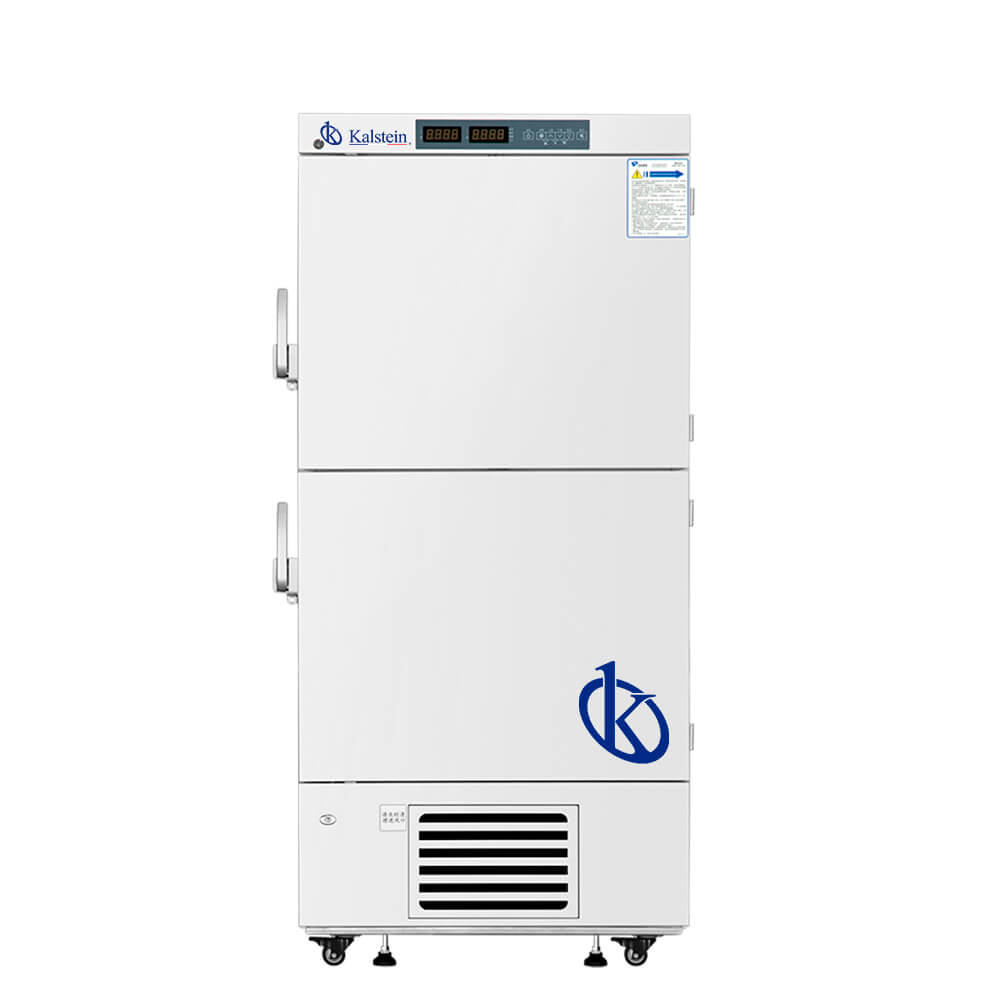
Low Temperature Freezers: Practical Applications and Techniques 2026
Low temperature freezers are essential equipment in clinical and hospital laboratories, ensuring the preservation of sensitive biological samples and medical supplies. This article delves into the applications, usages, techniques, and best practices for low temperature freezers in 2026.
What is it used for in 2026
In 2026, low temperature freezers are primarily used for storing biological specimens, vaccines, pharmaceuticals, and other critical medical supplies that require extremely low temperatures for preservation. These devices maintain the integrity of samples by providing a stable environment that prevents degradation and preserves their efficacy. Laboratories utilize these freezers to ensure sample availability for diagnostics, research, and therapeutic purposes, thus playing a crucial role in the healthcare continuum.
History and evolution of the technology
The development of low temperature freezers dates back to advancements in refrigeration technology in the early 20th century. Initially, such devices were bulky and less efficient. Over the decades, improvements in insulation materials, compressor technology, and temperature control systems have led to the sophisticated models available today. Modern low temperature freezers now offer enhanced energy efficiency, reliability, and user-friendly interfaces, making them indispensable in laboratory settings.
How to use it step by step
- Preparation: Before using the freezer, ensure it is clean, and check the temperature settings.
- Loading Samples: Organize samples using adjustable shelves or drawers, ensuring that air circulation is not obstructed.
- Monitoring: Regularly check temperature readings and alarm functions to ensure the stability of the freezer environment.
- Maintenance: Follow the manufacturer’s guidelines for defrosting, cleaning, and calibrating the unit to ensure optimal performance.
Best techniques and protocols
To maximize the effectiveness of low temperature freezers, laboratories should implement the following techniques and protocols:
- Temperature Calibration: Regularly calibrate the temperature control system to ensure accuracy.
- Sample Organization: Use clear labeling and categorization to facilitate easy access and prevent sample mix-ups.
- Alarm Systems: Utilize advanced alarm systems to alert staff of any temperature deviations promptly.
Practical applications by laboratory type
Low temperature freezers find various applications across different laboratory types:
- Clinical Laboratories: Storing blood, plasma, and other biological samples for diagnostics.
- Research Laboratories: Preserving samples for long-term studies and experiments.
- Pharmaceutical Laboratories: Storing vaccines and temperature-sensitive medications.
Regulations, standards and certifications
Compliance with relevant regulations and standards is vital when operating low temperature freezers. Laboratories must adhere to guidelines from national and international bodies such as:
- ISO 9001 for quality management systems.
- FDA regulations for medical devices.
- CDC and WHO recommendations for vaccine storage.
Comparison with alternative technologies
When comparing low temperature freezers to alternative technologies such as liquid nitrogen storage or standard freezers, several factors come into play:
- Temperature Stability: Low temperature freezers provide a more stable and controlled environment compared to standard freezers.
- Ease of Use: Low temperature freezers are generally easier to operate and maintain than liquid nitrogen systems.
- Cost Efficiency: While initial costs may be higher, low temperature freezers often prove more economical in the long run due to energy efficiency and reduced sample loss.
Comparison of available models
| Model | Best for | Key specs | Recommended use case |
|---|---|---|---|
| YR05100 | Flexible sample storage | Temperature range: -20 to -40 °C, Energy consumption: 6.7 kWh/23h | Ideal for labs needing adjustable shelving for various sample sizes. |
| YR05309 | High reliability storage | Temperature range: -20 to -40 °C, Energy consumption: 5.5 kWh/24h | Best for labs requiring multiple alarm systems for sample protection. |
| YR05311 | Laboratory use | Temperature range: -10 to -25 °C, Energy consumption: 300W | Suitable for clinics needing a reliable dual-door freezer for various samples. |
Common mistakes and how to avoid them
Here are some common mistakes in operating low temperature freezers:
- Overloading: Avoid overloading the freezer, which can obstruct airflow and affect temperature stability.
- Ignoring Alarms: Do not ignore alarm signals; investigate any alarms immediately to prevent sample loss.
- Improper Maintenance: Regular maintenance is crucial; neglecting it can lead to equipment failure.
Maintenance, calibration and good practices 2026
Maintaining low temperature freezers involves routine calibration and servicing. Follow these good practices:
- Regular Cleaning: Keep the internal and external parts clean to prevent any performance issues.
- Temperature Calibration: Schedule periodic calibrations to ensure the temperature display is accurate.
- Documentation: Maintain records of maintenance and calibration for compliance and reference.
Cost-benefit analysis 2026
When considering the investment in low temperature freezers, it’s essential to evaluate the cost against the benefits:
- Initial Investment: While the upfront cost may be significant, consider the long-term savings due to reduced sample loss.
- Operational Costs: Energy-efficient models may lower the overall operational expenses.
- Value of Samples: The ability to store valuable samples without risk justifies the investment in reliable freezer technology.
Frequently asked questions
What temperature range should I expect from a low temperature freezer?
The typical temperature range for low temperature freezers is between -10 °C to -40 °C, depending on the specific model and its intended use.
How often should I calibrate my low temperature freezer?
Calibration should be performed at least once a year or whenever there’s a significant change in environmental conditions or after maintenance.
What are the best practices for loading samples into a low temperature freezer?
Ensure samples are organized, do not overload shelves, and leave space for air circulation to maintain a stable temperature throughout the freezer.
How can I ensure the reliability of my freezer’s temperature control system?
Regularly check alarm systems, conduct routine maintenance, and calibrate the temperature sensor to ensure accurate readings.
What should I do if the temperature alarm goes off?
Immediately check the freezer for any visible issues, confirm the temperature settings, and assess the condition of the samples stored inside.
Are there specific certifications required for low temperature freezers?
Yes, certifications may vary by region but can include compliance with FDA regulations, ISO certifications, and other relevant standards for laboratory equipment.
Can low temperature freezers be used for vaccine storage?
Yes, low temperature freezers are ideal for vaccine storage, provided they operate within the required temperature ranges specified by health authorities.
If you are looking for a fusion of innovation and quality, you have come to the right place. At Kalstein, we offer you the luxury of exploring our exclusive catalog of laboratory equipment. We manufacture every device to the highest standards of excellence. Our intuitive and seamless online purchasing channels are designed for your convenience, securing the most competitive prices. Hesitate no longer — we bring science to life, it is time to become part of our community.