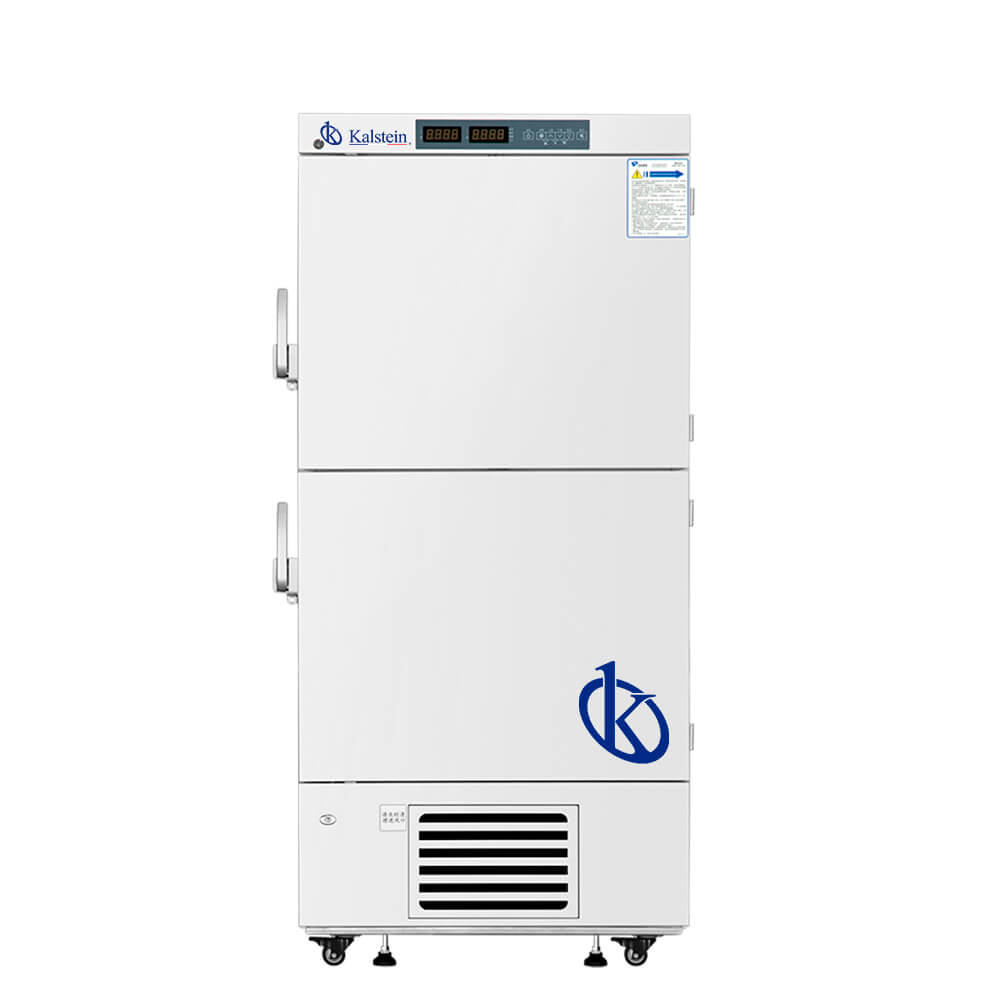
How can Low Temperature Freezers promote energy sustainability and reduce environmental footprint?
As laboratories strive for greater energy efficiency and a reduced environmental footprint, the choice of equipment becomes pivotal. Low Temperature Freezers are essential tools for sample preservation, but their operation significantly impacts energy consumption and environmental sustainability. This article delves into how these freezers can be optimized for energy efficiency, the specific models available, and their unique features aimed at reducing environmental impact.
Framing the Importance of Energy Sustainability in Low Temperature Freezers
In today's laboratories, energy consumption has become a critical consideration due to rising costs and environmental responsibilities. Low Temperature Freezers are vital for various research applications, but their continuous operation can consume a significant amount of energy. Understanding the specifications and energy efficiency of different models can help laboratories choose units that align with sustainability goals. Furthermore, achieving compliance with standards such as ENERGY STAR can significantly enhance a lab's reputation while contributing to global sustainability efforts.
Comparison of Available Models
| Model | Capacity (Liters) | Energy Consumption (kWh/24h) | Temperature Range (°C) | Price (USD) |
|---|---|---|---|---|
| YR05100 | Not specified | 6.7 | -20 to -40 | 1830.00 |
| YR05309 | 358 | 5.5 | -20 to -40 | 1620.00 |
| YR05311 | Not specified | 3.0 | -10 to -25 | 1360.00 |
Energy Consumption Analysis of Low Temperature Freezers
The energy consumption of Low Temperature Freezers varies significantly between models. For instance, the YR05100 consumes 6.7 kWh per 24 hours, while the YR05309 operates at only 5.5 kWh. Choosing a model with lower energy consumption is essential for laboratories looking to reduce operational costs and environmental impact. Energy-efficient models not only lower electricity bills but also help in achieving sustainability targets.
Optimizing Operational Efficiency for Environmental Impact
To optimize the operational efficiency of Low Temperature Freezers, labs can implement several strategies. Regular maintenance checks ensure that cooling systems operate effectively, reducing energy waste. Additionally, strategic placement of freezers in temperature-controlled environments can minimize energy consumption. Implementing alarm systems for temperature fluctuations, as seen in models like the YR05309, can prevent energy waste due to inefficient operation.
Lifecycle Assessment of Low Temperature Freezers
A Lifecycle Assessment (LCA) allows laboratories to evaluate the environmental impacts of Low Temperature Freezers from production to disposal. By considering factors such as energy consumption, refrigerant type, and waste generation, laboratories can make informed decisions that align with sustainability goals. The YR05100, for example, utilizes R290 refrigerant, which has a lower environmental impact compared to traditional refrigerants.
Best Practices for Reducing Energy Footprint
Implementing best practices is essential for reducing the energy footprint of Low Temperature Freezers. This includes setting optimal temperature settings, scheduling regular maintenance, and utilizing energy-efficient models. For instance, the YR05311 utilizes a microprocessor temperature controller which optimizes energy use while maintaining sample integrity. Proper training for staff on the efficient use of these freezers can also minimize energy waste.
Common Mistakes and How to Avoid Them
One common mistake is underestimating the importance of energy-efficient models. Selecting a Low Temperature Freezer solely based on price, without considering energy consumption, can lead to higher operational costs. Furthermore, failing to monitor and maintain equipment regularly results in inefficient operation, increasing energy use and costs. Choosing models like the YR05309, known for their reliability and lower energy consumption, can mitigate these issues.
Frequently Asked Questions
How do energy-efficient Low Temperature Freezers reduce laboratory carbon footprint?
Energy-efficient Low Temperature Freezers, such as the YR05309, help reduce the laboratory carbon footprint by consuming less energy, which decreases greenhouse gas emissions associated with electricity production. With a consumption rate of only 5.5 kWh/24h, this model supports sustainability initiatives effectively.
What factors should I consider when selecting a Low Temperature Freezer for energy savings?
When selecting a Low Temperature Freezer, consider energy consumption (kWh/24h), temperature range, refrigerant type, and operational features like alarm systems. For instance, the YR05100 has features that help maintain temperature stability and reduce energy waste, making it a good choice for energy savings.
Which Low Temperature Freezer model is best for reducing energy costs in research labs?
The YR05311 is particularly suited for research labs aiming to reduce energy costs due to its efficient design and lower power consumption of 3.0 kWh/24h. This makes it an economical option while ensuring reliable sample preservation.
How can I ensure my Low Temperature Freezer is compliant with energy standards?
To ensure compliance with energy standards, select models like the YR05309 that are designed with energy efficiency in mind and verify their qualifications against standards such as ENERGY STAR. Regular maintenance and monitoring can further ensure compliance throughout the freezer's lifecycle.
What maintenance practices extend the life of Low Temperature Freezers?
Regular inspection and cleaning of condenser coils, checking door seals, and monitoring temperature settings are critical practices that extend the life of Low Temperature Freezers. For example, maintaining the YR05100 ensures consistent energy efficiency and optimal performance.
What is the environmental impact of refrigerants used in Low Temperature Freezers?
Refrigerants like R290, used in models such as the YR05100, have a lower global warming potential compared to traditional refrigerants. Choosing freezers that utilize environmentally friendly refrigerants helps mitigate their environmental impact and aligns with sustainability goals.
How do Low Temperature Freezers contribute to reducing laboratory waste?
Low Temperature Freezers contribute to reducing laboratory waste by maintaining sample integrity over extended periods, minimizing the need for repeated testing or sample disposal. Models like the YR05309 enhance reliability, thus reducing overall waste generated in research labs.
What long-term savings can I expect from energy-efficient Low Temperature Freezers?
Investing in energy-efficient Low Temperature Freezers like the YR05311 can lead to significant long-term savings on electricity bills, especially when running continuously. By reducing energy consumption to 3.0 kWh/24h, labs can expect lower operational costs and improved laboratory budgets.
If you are looking for a fusion of innovation and quality, you have come to the right place. At Kalstein, we offer you the luxury of exploring our exclusive catalog of laboratory equipment. We manufacture every device to the highest standards of excellence. Our intuitive and seamless online purchasing channels are designed for your convenience, securing the most competitive prices. Hesitate no longer — we bring science to life, it is time to become part of our community.